Choosing between flush and semi-flush mount lights? Learn how drop distance, ceiling bounce, glare control, and room type affect brightness and headroom in l...
Warm Lumen
Upgrading Builder-Grade Dome Lights

Lumi
Lumi is the friendly little firefly host of Warm Lumen, with a heart that glows as brightly as a perfectly placed pendant lamp. He loves discovering how soft bulbs, warm color temperatures, and layered lighting can transform any dark room into a welcoming retreat. Lumi is always fluttering by to share bright ideas and cheer you on as you create a beautifully lit space.
Published · Last updated
Let’s find the perfect glowing touch for that very common ceiling suspect: the builder-grade dome light. It does its job, sure, but it can also feel a little stark, a little dated, and a lot like “default settings.” The good news is you do not need a full renovation to make it feel intentional. A few smart swaps and a couple of easy DIY makeovers can turn that plain dome into a cozy, modern glow.
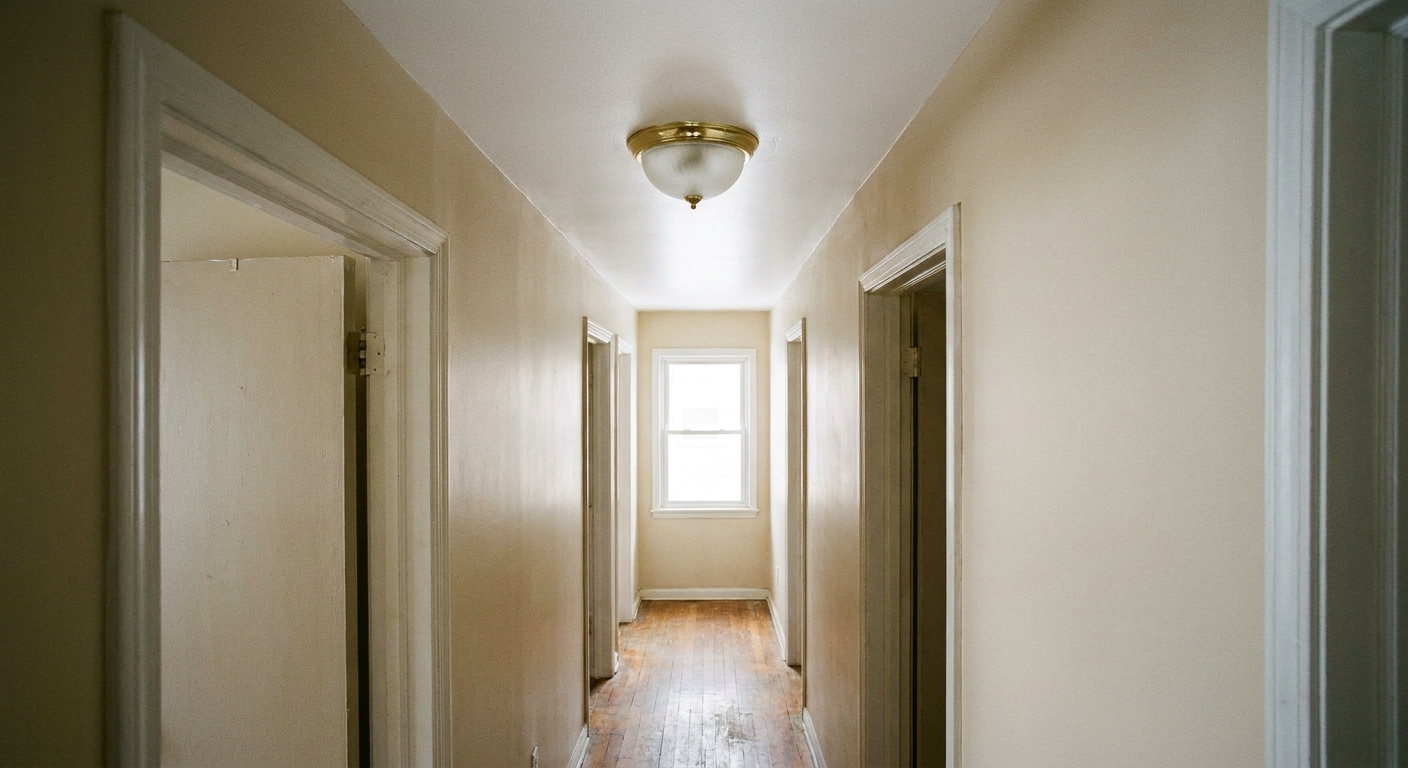
Why domes feel off
Most builder domes create problems in three familiar ways:
- Glare: a clear or shallow lens can make the bulb feel harsh, especially with cool LEDs.
- Flat light: one overhead source can leave walls and faces shadowy while the ceiling is overly bright.
- Scale: domes are often too small for the room, which makes the ceiling look unfinished.
Before replacing anything, do a quick check: is it the fixture that bothers you, or the light quality? Sometimes a warmer bulb and a better shade effect solve most of the annoyance for very little money.
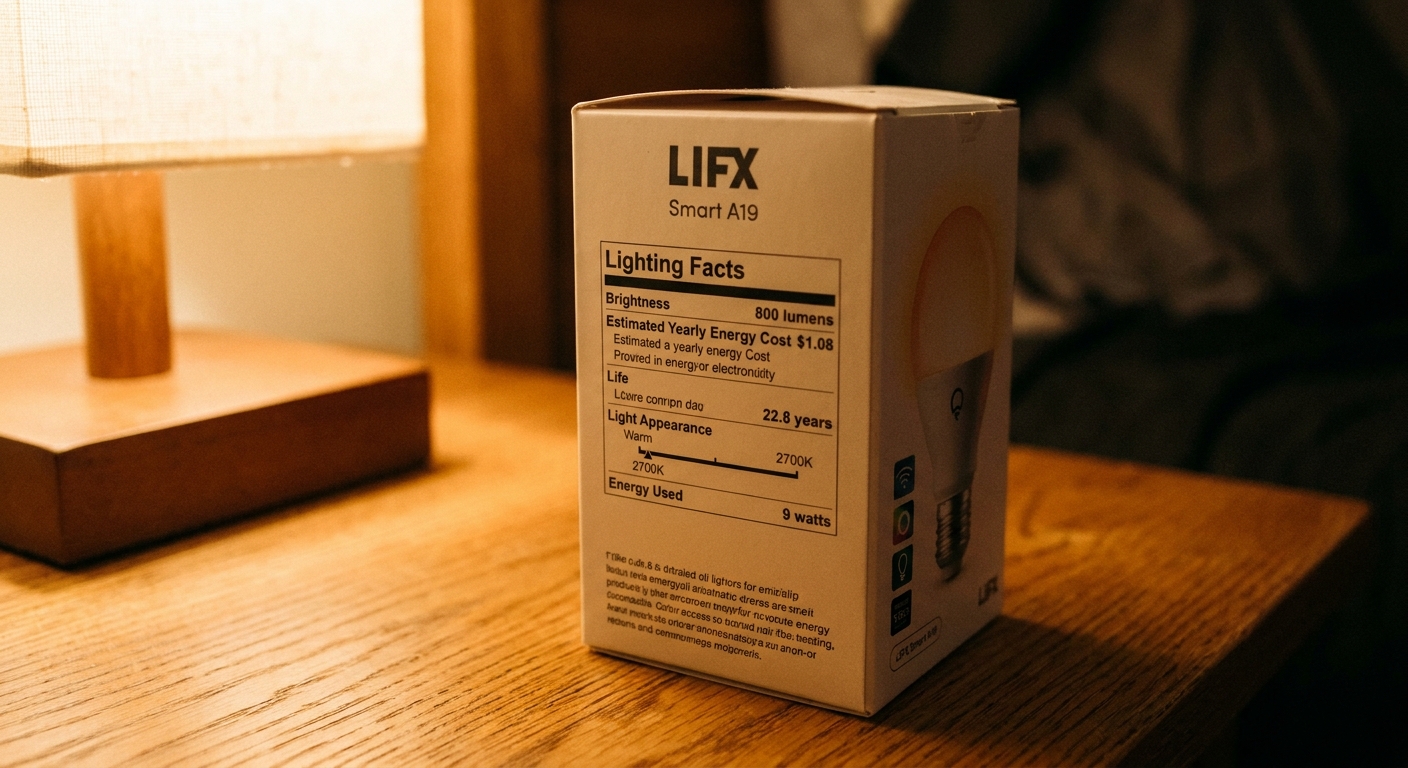
If you want a quick refresher on picking brightness that feels right, flutter over to Calculate the Right Lumens for Any Room. For bulb warmth, How to Read the FTC Lighting Facts Label helps you decode the box fast.
Fastest glow-up: change the bulb
If your dome takes standard screw-in bulbs, a bulb swap can make the whole fixture feel softer and more expensive.
What to look for
- Warm color temperature: 2700K is a cozy default for living areas and bedrooms. 3000K can feel a bit cleaner while still warm.
- High color accuracy: look for CRI 90+ when possible so skin tones and paint colors look richer. More on this at CRI Explained.
- Dimmable (if you have a dimmer): pair dimmable LEDs with an LED-rated dimmer to avoid flicker. If flicker is already haunting your ceiling, see How to Fix LED Flicker with the Right Dimmer.
A dome-specific tip
Domes tend to trap heat, especially older enclosed fixtures. Follow the fixture label’s maximum wattage (often written for incandescent bulbs) and choose LEDs labeled “suitable for enclosed fixtures” for better longevity and steadier output.
If your current bulb is a clear filament LED, try swapping to a frosted or diffused LED instead. Clear bulbs can look pretty in open fixtures, but in a dome they often turn into a little spotlight you can feel with your eyeballs.
Simple swap: modern flush mount
If you can turn off power at the breaker and use a screwdriver, you can often replace a dome with a more stylish flush mount in about an hour. Timing depends on what you uncover, like brittle wire nuts, old mounting plates, paint that tears, or a ceiling box that is not sitting flush.
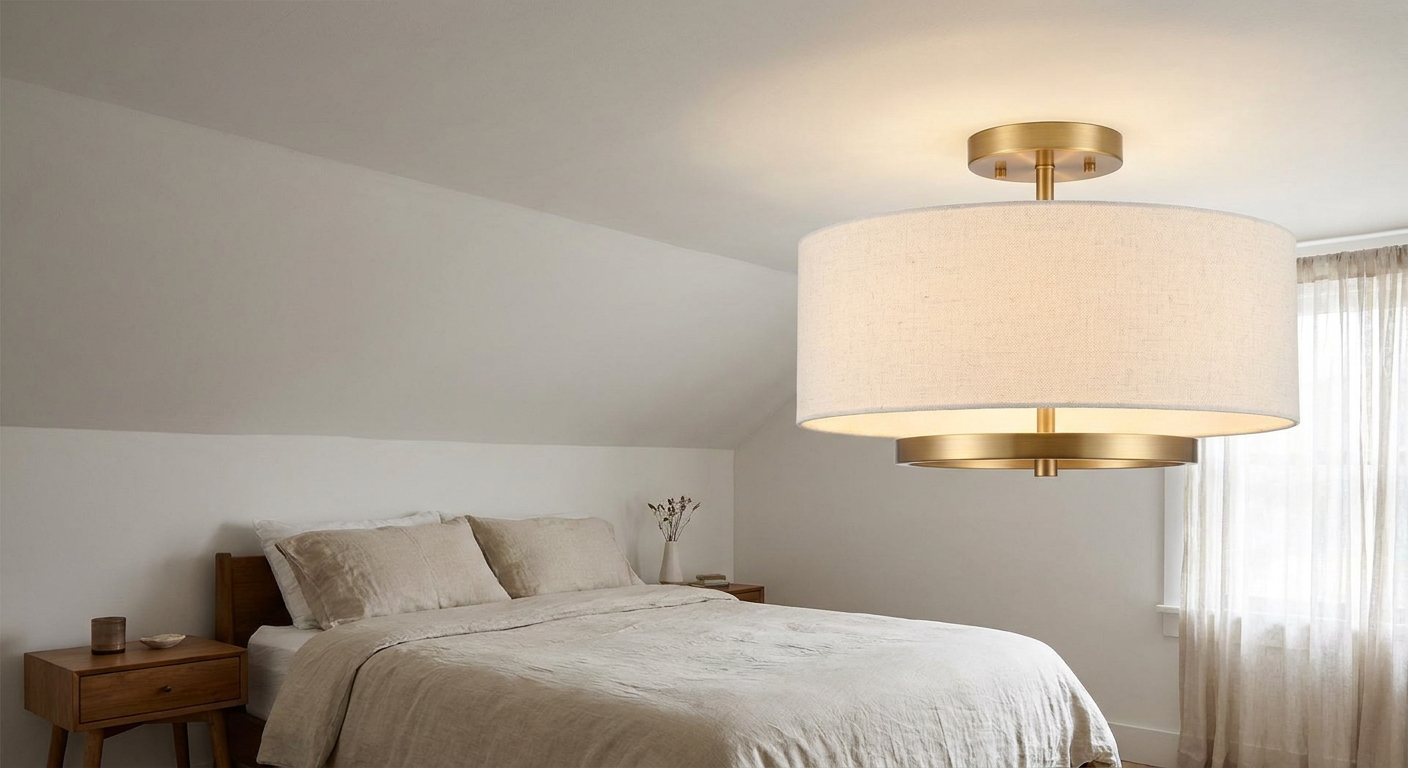
Best styles for instant polish
- Drum shade flush mount: gives a soft, lamp-like feel. Great in bedrooms, hallways, and offices.
- Opal or frosted globe: clean and timeless. A globe usually hides the bulb better than a shallow dome.
- Semi-flush mount: if you want a little drop and shadow play. Especially good when ceilings are not extremely low.
Need help deciding between flush and semi-flush for ceiling height and clearance? This guide keeps it simple: Flush Mount vs Semi-Flush Mount Lights for Low Ceilings.
Size it so it stops looking builder
A tiny fixture on a big ceiling reads as “builder” even if the fixture is trendy. Your simplest sizing shortcut is this:
- Quick rule: room length + room width (in feet) is a good starting diameter (in inches).
Then adjust for ceiling height and the room’s vibe. Lower ceilings usually look best with a wider, flatter fixture, while taller ceilings can handle more visual weight.
If you prefer typical ranges, these are common starting points (not strict rules):
- Hallways: 10 to 14 inches often works well.
- Bedrooms: 14 to 18 inches feels more intentional in many rooms.
- Small kitchens or laundry rooms: 12 to 16 inches is a common sweet spot.
DIY makeover: no rewiring
If you are not ready to replace the whole fixture, you can still modernize what you see from below. These ideas keep the ceiling box and wiring exactly where they are.
Quick cheat sheet
- Clean or replace diffuser: time 15 to 45 minutes, cost low, skill easy.
- Add a medallion: time 30 to 90 minutes, cost low to medium, skill easy to medium.
- Refinish the rim: time 1 to 2 hours plus cure time, cost low, skill medium.
1) Refresh or replace a yellowed diffuser
Some domes look dated because the plastic diffuser has aged. If the diffuser is removable, clean it gently with mild soap and water. If it is badly yellowed or cracked, replacing just the diffuser can be cheaper than replacing the whole light.
Two details that save a return trip: match the mounting style (center finial vs twist-lock tabs) and match the diameter and depth. Domes that look “close enough” in the aisle can fit totally differently at home.
2) Add a ceiling medallion
A lightweight ceiling medallion can make a plain dome feel more finished, especially in entryways and dining areas. Choose a size that extends beyond the fixture canopy so it reads as trim, not as a tiny coaster behind the light.
One practical note: do not install a medallion in a way that blocks needed ventilation or traps heat around fixtures that are designed to breathe. Also keep access to the mounting screws so future you can remove the fixture without a wrestling match.
3) Refinish the metal rim
Many domes have a shiny brass or flat white rim that calls attention to itself. If the fixture allows you to remove the rim, you can repaint it with a metal-safe spray paint. Keep paint off sockets and electrical parts, and let everything cure fully before reassembling.
For mixing finishes in a way that feels intentional, this helps: Mixing Metal Light Fixtures.
Soften the dome
Some spaces mainly need gentler light. These options focus on diffusion and comfort.
Go frosted instead of clear
If your current dome is clear glass or a shallow clear plastic cover, switching to frosted (or an opal glass replacement fixture) reduces pinpoint glare and makes the ceiling glow more evenly. If you love the globe look, this guide is a good companion: Glass Globe Lighting: Clear vs Frosted.
Pick a lower-glare bulb
In some domes, the bulb sits close to the diffuser and creates a bright hotspot. A bulb with a more even emitting surface can help. Look for words like frosted or diffused on the LED, and generally avoid clear filament LEDs in enclosed domes.
- Try: frosted A19 LEDs for most fixtures.
- If you need more light: an A21 can boost output, but only if your dome has clearance and the bulb is rated for enclosed fixtures.
If you are not sure which base or shape your fixture needs, see Light Bulb Shapes and Bases.
Room-by-room ideas
Entryway
Choose a flush or semi-flush that feels welcoming, not clinical. A frosted globe or a small lantern-style semi-flush can add personality without overwhelming the space. More ideas live here: Entryway Lighting.
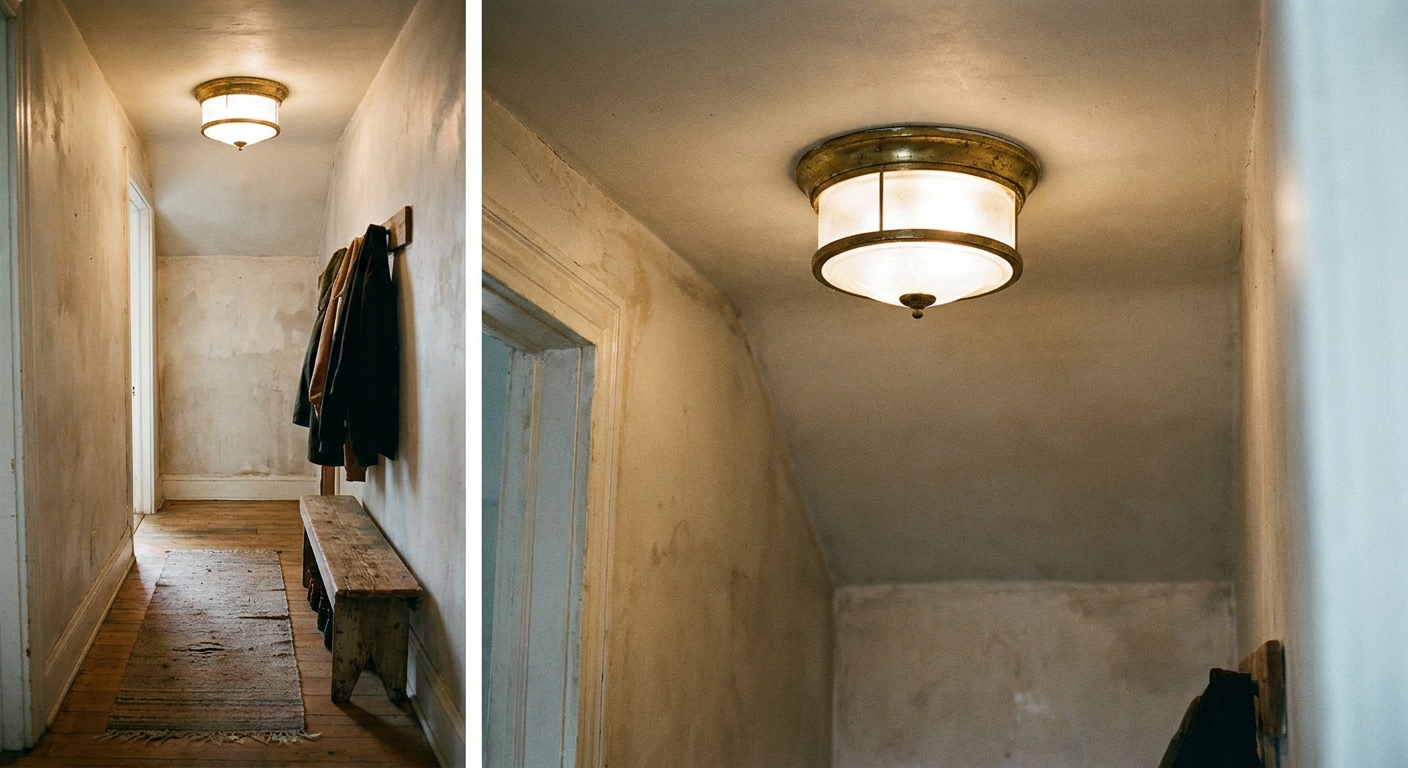
Hallways and stairs
Long runs of domes can look repetitive. Consider matching flush mounts with a larger diameter and a softer diffuser. If glare is a problem, prioritize frosted glass and warm bulbs. Safety matters too, so brighter is often better here. Pair that brightness with diffusion so it feels calm, not harsh. See Hallway and Staircase Lighting Ideas.
Bedrooms
If the dome is the main overhead light, a drum shade flush mount can make the room feel more like a retreat. Then layer in bedside light so the ceiling fixture is not doing all the work. This guide compares bedside options: Lamps vs Sconces vs Pendants.
Laundry rooms and closets
These spaces often start with a basic dome, and that is okay. Focus on bright, even light with good color accuracy so stains and colors read correctly. If you are refreshing a utility space, you might like Laundry Room Lighting Makeovers and DIY Garage and Utility Room Lighting Upgrades.
For closets specifically, play it extra safe: choose an enclosed fixture, keep clear space between the light and stored items, and follow any local code requirements for clearance. When in doubt, enclosed plus LED (rated for enclosed fixtures) is the calmest path.
Safety and compatibility
- Turn off power at the breaker before touching wiring.
- Know what you should see: many ceiling boxes have a black (hot), white (neutral), and bare or green (ground). You might also see a red wire (often a switched hot) or older, brittle insulation.
- Stop and call a licensed electrician if you find damaged or crumbling insulation, scorched wires, a loose ceiling box, confusing extra wires, or anything that does not match the new fixture instructions.
- Confirm ceiling box support if switching to a heavier semi-flush. If the box is not rated for the weight, do not force it.
- Check “enclosed fixture” ratings on bulbs when using covered fixtures.
- Match dimmer and bulb type to avoid flicker and buzzing. See this dimmer guide if needed.
- Bathrooms and damp areas: use fixtures rated for damp locations. Warm Lumen covers the rating basics at Damp vs Wet Rated Lights.
Modern that stays timeless
If you want the upgrade to stay lovable for years, these choices tend to age well:
- Opal or frosted glass instead of clear, especially on the ceiling.
- Simple shapes like globes and drums rather than super-trendy cutouts.
- Warm white light paired with a dimmer so the room can shift from bright to cozy.
And if your ceiling is low, do not worry. Flush mounts can be beautiful. They just need the right scale and a diffuser that turns glare into glow.
FAQ
Is replacing a dome light beginner friendly?
For many people, yes. Swapping one ceiling fixture for another is often a manageable DIY if the ceiling box is in good shape and you follow safe power shutoff steps. If you see damaged wiring, a loose box, or confusing connections, it is wise to call a licensed electrician.
Why does my dome look dim after switching to LED?
Some LEDs are not happy in enclosed fixtures, and some domes block light more than you expect. Use LEDs rated for enclosed fixtures and double-check lumens. If you need help translating watts to brightness, visit Lumens vs Watts for LED Bulbs.
How do I make a dome feel less office?
Start with a warmer bulb (2700K), choose a frosted diffuser, and consider switching to a drum shade flush mount. Then add a second layer of light in the room, like lamps or under-cabinet lighting, so the ceiling light is not the only star in the sky.
If you’d like more quick upgrades that deliver a big cozy payoff, you can flutter through DIY & Easy Upgrades. A small change overhead can make the whole room feel like it exhaled.