Stop guessing by watts. Learn what lumens really mean, use an easy 40W–100W replacement chart, and get quick tips on Kelvin color temperature, CRI, dimming, ...
Warm Lumen
How to Read the FTC Lighting Facts Label

Lumi
Lumi is the friendly little firefly host of Warm Lumen, with a heart that glows as brightly as a perfectly placed pendant lamp. He loves discovering how soft bulbs, warm color temperatures, and layered lighting can transform any dark room into a welcoming retreat. Lumi is always fluttering by to share bright ideas and cheer you on as you create a beautifully lit space.
Published · Last updated
Let’s find the perfect glowing touch for every corner of your home. The Lighting Facts label is like a tiny flashlight for your shopping decisions. With one quick glance, it helps you compare bulbs by brightness, energy use, estimated yearly cost, color appearance, and more, without getting tangled in marketing words like “super bright” or “daylight.”
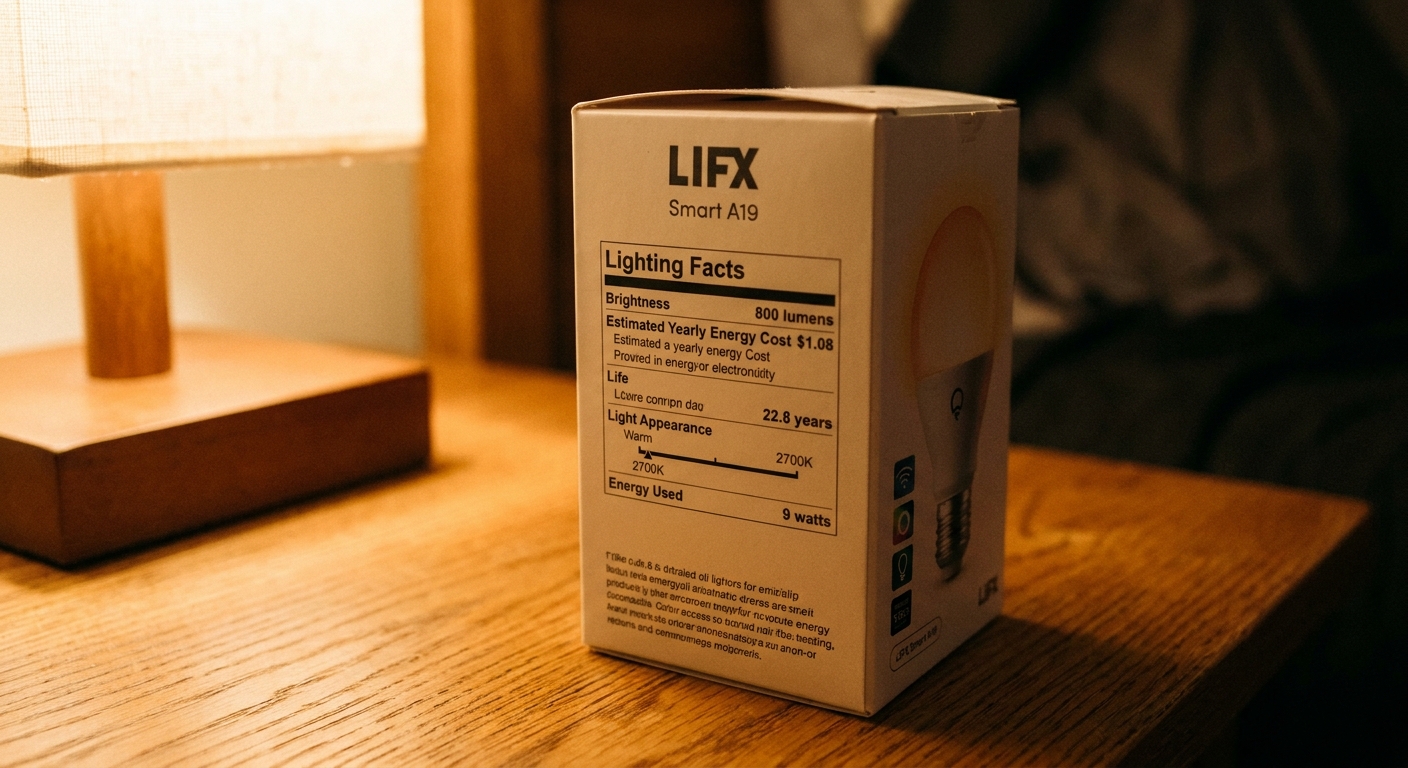
What the Lighting Facts label is (and where to find it)
The Lighting Facts label is a standardized info box you will often see on packages for common household bulbs (especially general-use light bulbs). It is designed to make it easier to compare bulbs across brands and styles.
- Where it appears: Usually on the side or back of the bulb box. Some online listings also show it in product photos.
- Where it may not appear: Some specialty and decorative bulbs, certain smart bulbs, and a few niche lamp types may show specs in a different format or place them elsewhere on the packaging.
- Why it matters: Brands can describe light creatively, but the label uses consistent measurements.
If you want to build confidence fast, treat this label as your at-a-glance summary, then use the rest of the package to confirm details like bulb shape and base or whether it is dimmable.
How to read each line in plain language
Lighting Facts labels can vary slightly by manufacturer and product type, but the same core ideas show up again and again. Here’s how to translate the label into real home lighting choices.
Brightness (lumens)
Lumens tell you how much light you will actually get. For most homes, this is the number to prioritize first.
- Higher lumens: brighter light
- Lower lumens: softer, dimmer light
If you are used to shopping by watts, it helps to switch your brain over to lumens. Warm Lumen has a friendly walkthrough here: Lumens vs watts for LED bulbs.
Estimated yearly energy cost
This is an estimate of what it costs to run the bulb for a year based on typical usage and an assumed electricity rate. It is useful for comparing bulbs side by side, but remember it is not a promise.
- Best use: Compare two bulbs you might buy for the same lamp or fixture.
- Quick tip: If a bulb is used many hours a day (kitchen, porch, hallway), the cost difference matters more.
Energy use (watts)
Watts measure how much electricity the bulb uses, not how bright it looks. On LEDs, watts are usually low even when brightness is high.
- Lower watts at the same lumens: a more efficient bulb
- Why it still matters: Some fixtures have maximum watt ratings, and some dimmers and LED drivers are pickier about compatibility, minimum load, and how smoothly a bulb fades.
Life (hours or years)
This line estimates how long the bulb should last under a standard pattern of use. It is typically based on an assumed daily use pattern, often around a few hours per day, so real life can be longer or shorter.
- Longer life is handy for hard-to-reach fixtures like tall stairwells.
- Shorter life might be fine for a lamp used occasionally.
Light appearance (Kelvin color temperature)
This is the cozy, mood-setting part. Color temperature is measured in Kelvin (K) and tells you how warm (golden) or cool (blue-white) the light looks.
- 2200K to 2700K: very warm to warm, candlelight to classic soft white
- 3000K to 3500K: warm-neutral, a little crisper but still home-friendly
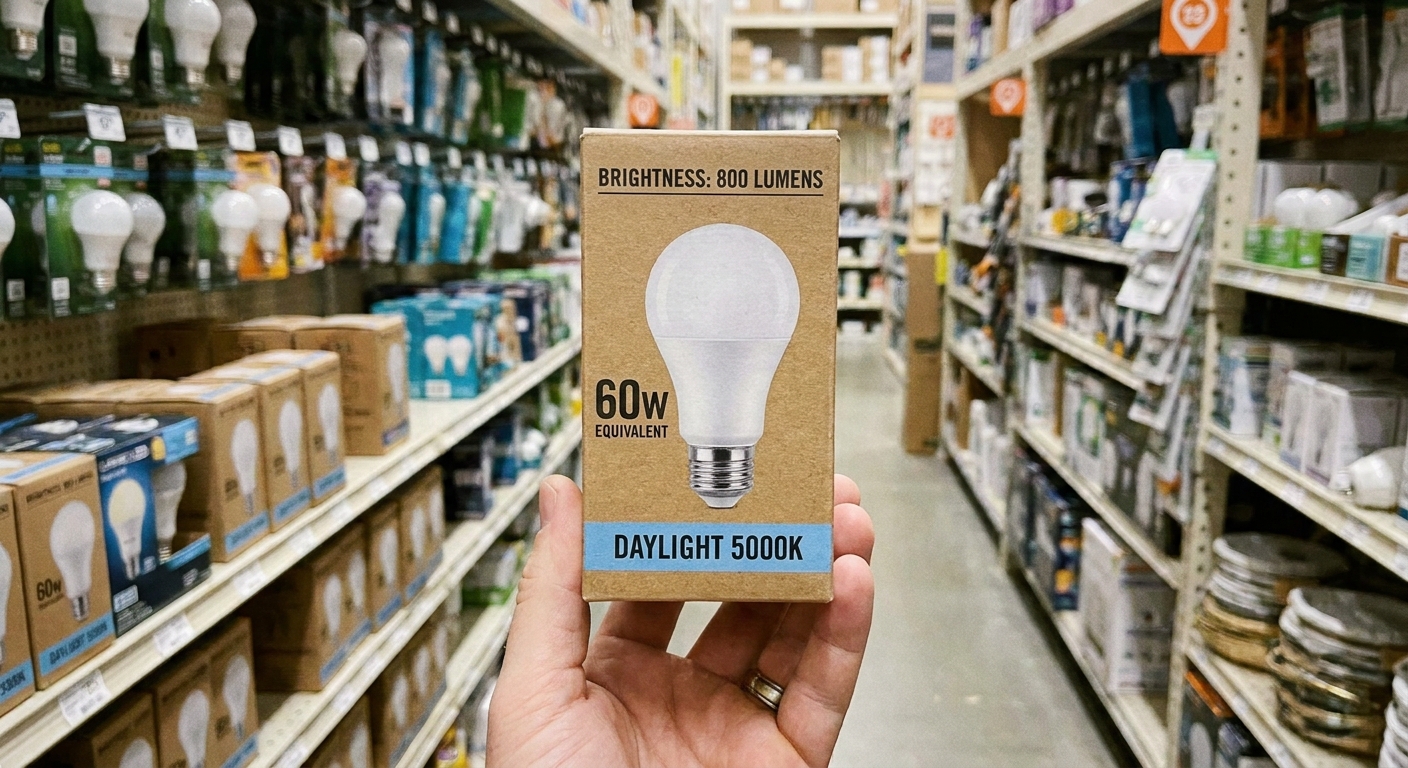
- 4000K to 5000K: neutral to cool white, brighter-feeling and more energizing (many brands call 5000K “daylight”)
If you want a deeper guide to picking the right glow for specific tasks, this helps: Best color temperature for bathroom vanity lighting.
Lumens and watts (the comparison box)
Many labels include a small comparison area that puts lumens next to watts, sometimes alongside a statement like “X lumens” and “uses Y watts.” This is meant to help you compare modern LED bulbs with older incandescent habits.
For example, an LED might show 800 lumens while using only 9 watts, which is why “watts” stopped being a reliable shortcut for brightness.
A fast 10-second checklist for bulb shopping
When you are standing in the aisle or scrolling online, use this quick order:
- Match the base and shape (E26, E12, A19, B11, and so on).
- Choose brightness (lumens) based on the room and task.
- Choose light appearance (Kelvin) for the mood you want.
- Check watts for efficiency and fixture limits.
- Glance at life and yearly cost for long-term convenience.
Need help picking lumens by room? Start here: Calculate the right lumens for any room.
How to use the label for common rooms
Living room and bedroom
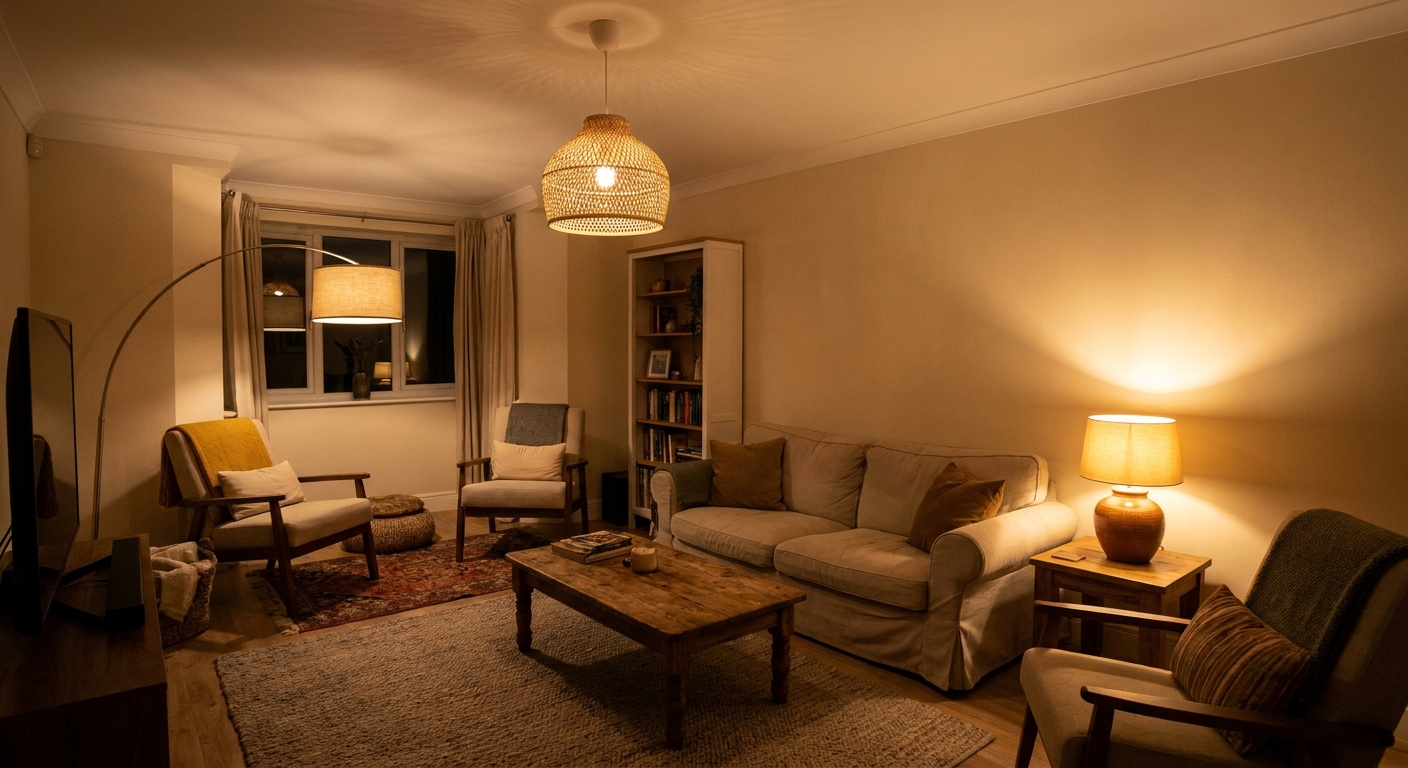
- Light appearance: usually 2200K to 2700K for a softer wind-down glow
- Brightness: pick lumens based on whether it is ambient light (general) or task light (reading)
If you are building a cozy layered setup, this pairs nicely with your bulb choices: Living room lighting without overhead fixtures.
Kitchen and utility spaces
- Light appearance: often 3000K to 4000K for clarity
- Brightness: higher lumens can help with countertops and cleanup
- Energy cost: worth paying attention to because these lights are used a lot
For a full game plan beyond just the bulb box, see: How to layer kitchen lighting.
Bathroom vanity
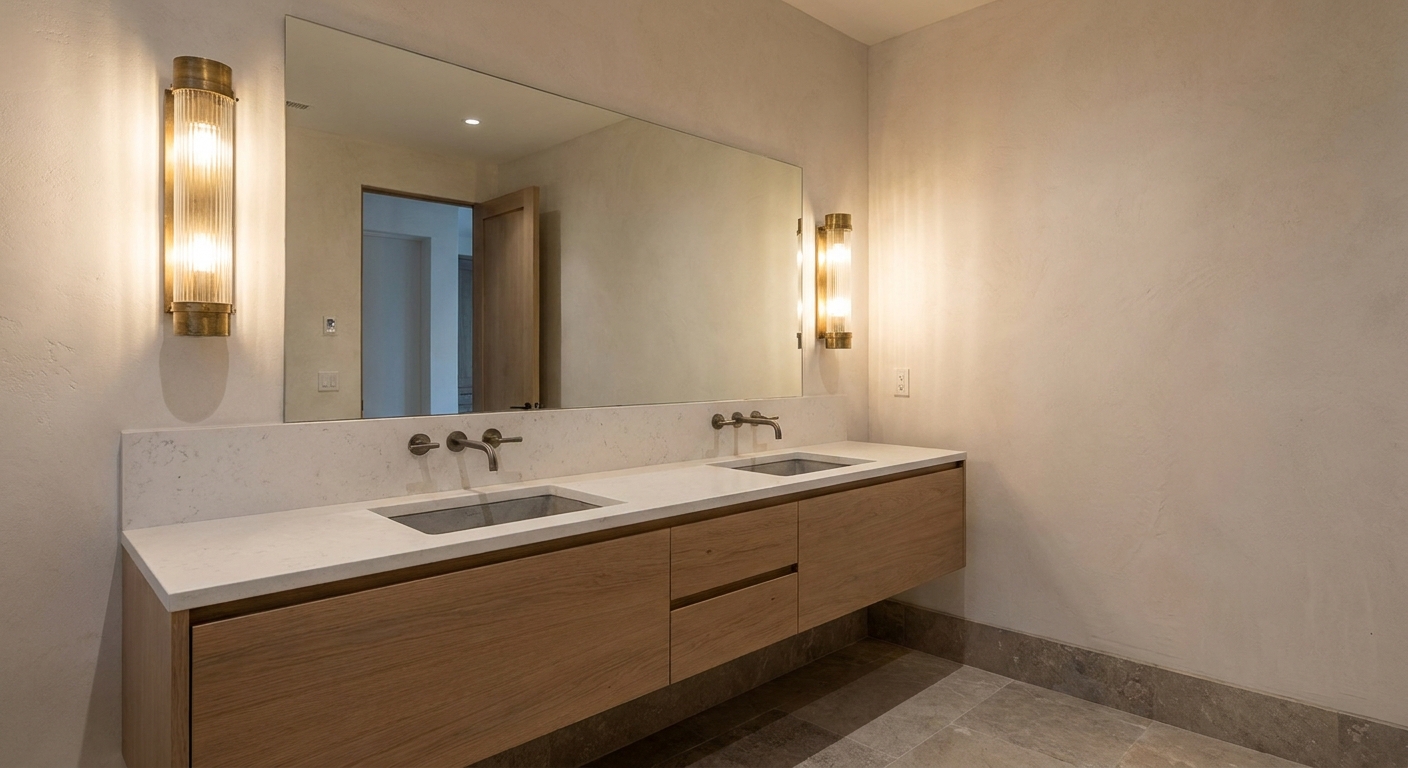
- Light appearance: many people like 2700K to 3500K depending on preference
- Look beyond the label too: also check CRI on the package or spec sheet when possible
Color accuracy is the secret helper for skin tones and makeup shades. Here’s a simple CRI guide: CRI explained.
What the label does not tell you (but you should still check)
The Lighting Facts label is wonderfully helpful, but it does not cover everything that affects comfort and performance. Before you toss a box into the cart, scan for these common missing pieces elsewhere on the packaging or online specs:
- Dimmable or not: Not every LED bulb dims, and not every dimmer plays nicely with every LED. If dimming matters, also see how to fix LED flicker with the right dimmer.
- Enclosed fixture rating: Some LEDs cannot be used in fully enclosed glass fixtures, which can trap heat.
- Wet or damp location rating: Important for bathrooms, showers, and outdoor covered areas.
- Beam angle: Especially for recessed lights, spots, and floods. Narrow beams feel punchy, wide beams feel more even. Warm Lumen explains it here: Recessed lighting beam angles explained.
- Flicker and buzz behavior: The label will not confirm compatibility with every dimmer, fixture, or smart control.
- ENERGY STAR and other badges: If you see ENERGY STAR, Title 20, or JA8 notes, those are separate certifications or compliance markers, not part of the Lighting Facts label itself.
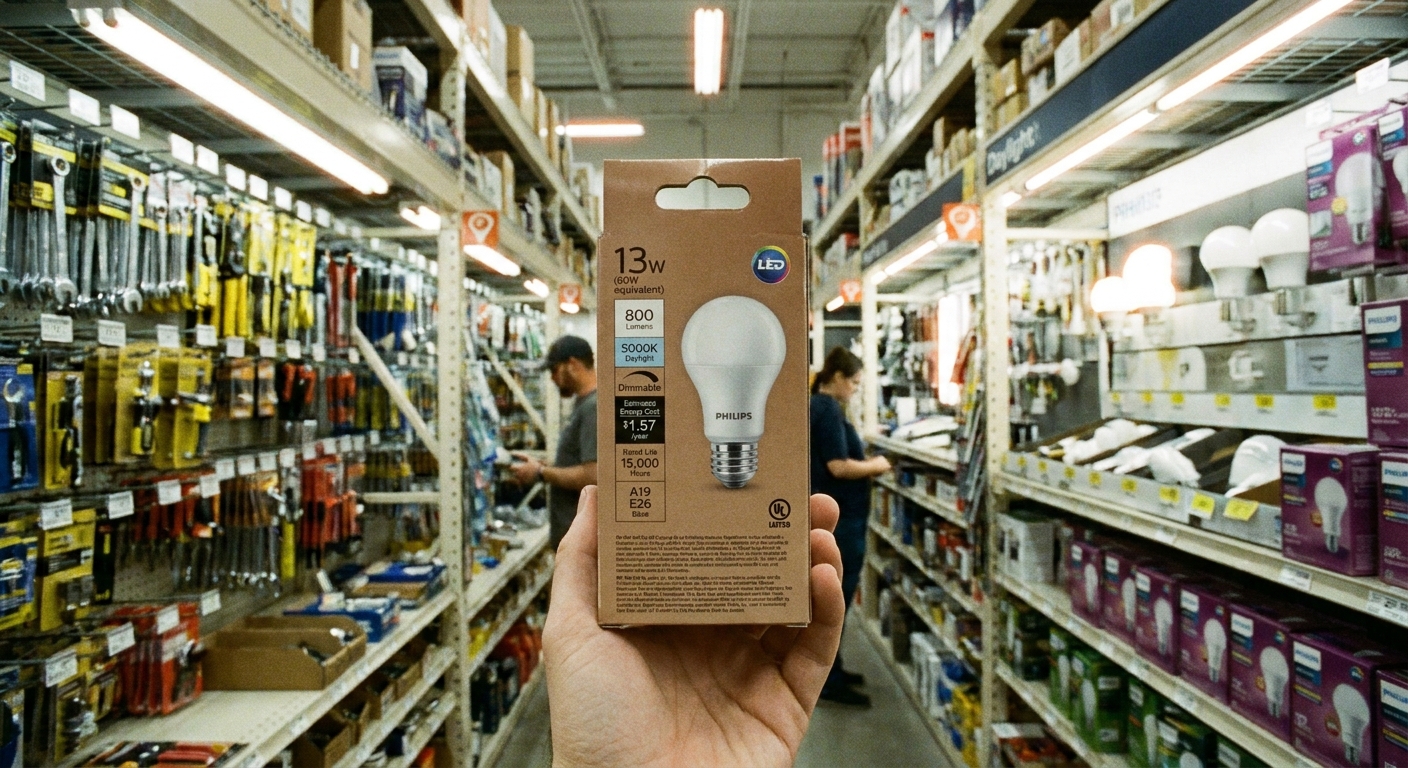
Small translations that make you a smarter shopper
- “Soft white” usually means around 2700K, but always check the Kelvin number to be sure.
- “Daylight” usually means 5000K or higher, which can feel crisp and cool indoors.
- “Equivalent” language is secondary. Always trust lumens for brightness.
- Two bulbs with the same lumens can feel different if their beam angle, diffuser, or color temperature differs.
Quick FAQ
Is a higher Kelvin number brighter?
Not exactly. Lumens tell you brightness. Kelvin tells you the color of the light. A cooler Kelvin can feel visually sharper, but it is not automatically higher output.
What is a good lumen number for a lamp?
It depends on the job. A gentle accent lamp might feel lovely around 400 to 800 lumens, while a reading lamp is often happier at 800 lumens or more. For room-by-room targets, use this lumens guide.
Why do two “2700K” bulbs look slightly different?
Bulbs labeled 2700K can vary a bit due to manufacturing tolerances (color bins) and bulb design. The diffuser, LED mix, and color accuracy (CRI) can all shift how the light feels on walls, fabrics, and skin tones.
Does the estimated yearly cost include the cost of buying the bulb?
No. It is typically an estimate of electricity cost only, based on assumed daily use and a specific electricity rate.
A gentle glow-up: how to choose with confidence
If you only remember two things from the Lighting Facts label, let them be these: lumens for brightness and Kelvin for mood. Once those match your room, the rest of the label helps you fine-tune efficiency and convenience, like choosing a longer-life bulb for a tricky ceiling fixture or a lower-watt option for lights you use every day.
When you are ready to zoom out and plan your whole home’s light in a calm, layered way, you can explore more in Lighting Basics & Education.