Upgrade your rental without wiring: the best plug-in wall sconce styles (swing-arm, uplight, task, fabric shades) plus clean cord-hiding ideas, mounting opti...
Warm Lumen
Bedside Lighting: Lamps vs. Sconces vs. Pendants

Lumi
Lumi is the friendly little firefly host of Warm Lumen, with a heart that glows as brightly as a perfectly placed pendant lamp. He loves discovering how soft bulbs, warm color temperatures, and layered lighting can transform any dark room into a welcoming retreat. Lumi is always fluttering by to share bright ideas and cheer you on as you create a beautifully lit space.
Published
Let’s find the perfect glowing touch for every corner of your bedroom, especially that bedside spot where reading, relaxing, and winding down all happen. Table lamps, wall sconces, and pendants can all work beautifully, but each one shines in different ways depending on your space, your nightstand situation, and how much flexibility you want.

What bedside lighting should do
Before picking a fixture style, it helps to know what job you need it to do. Most bedside lighting is a mix of two goals: comfortable ambient glow and focused task light for reading.
- Easy control: A switch you can reach while lying down. Dimmers are a big plus.
- Comfortable brightness: Enough for a page, not so much that it feels like a spotlight.
- Good glare control: Light should land on the book, not in your eyes.
- Space fit: Works with your nightstand size, headboard height, and walking path.
- Balanced look: Pairs nicely with your bed, side tables, and overall style.
If you want a quick refresher on warm, cozy light levels and bulb choices, visit Lighting Basics & Education.
Option 1: Table lamps
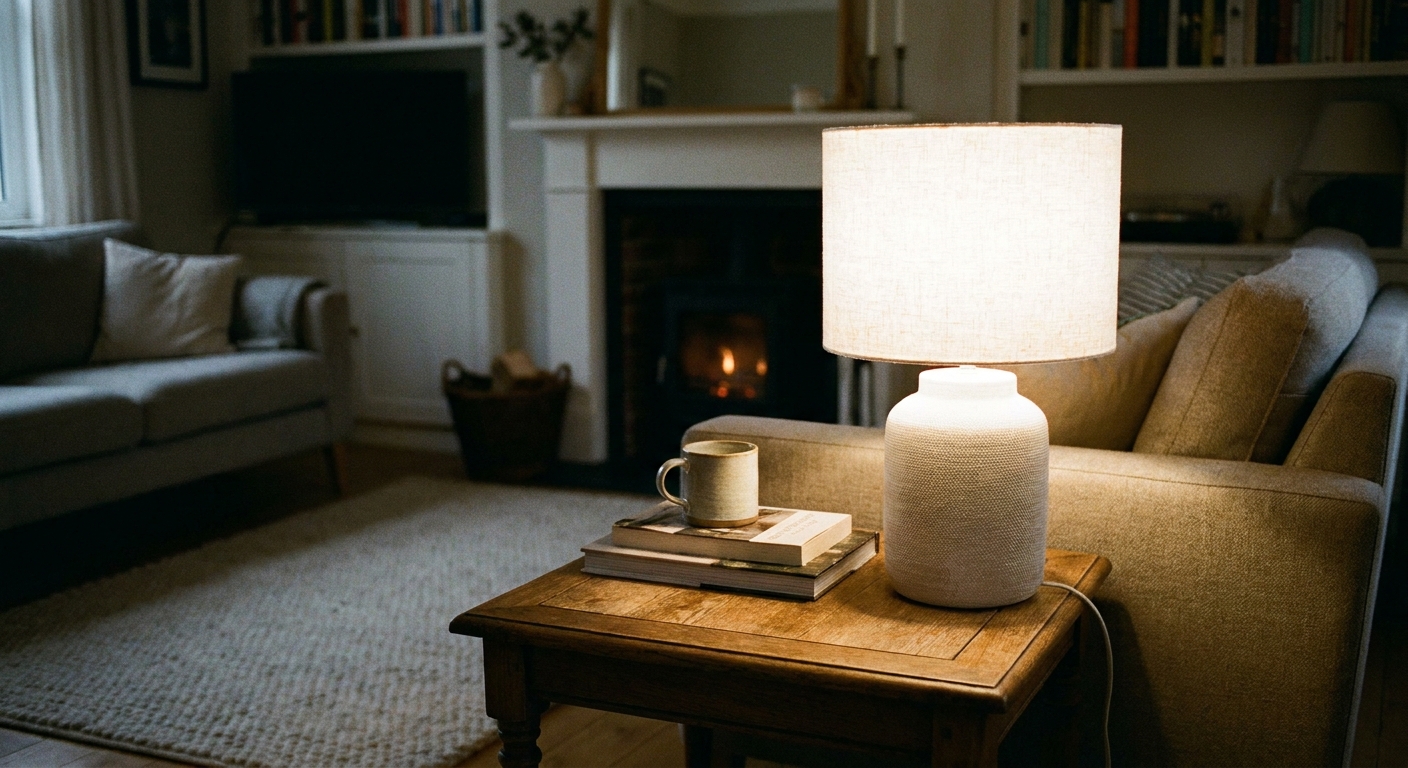
Table lamps are the classic choice because they are simple, flexible, and easy to swap when your style changes.
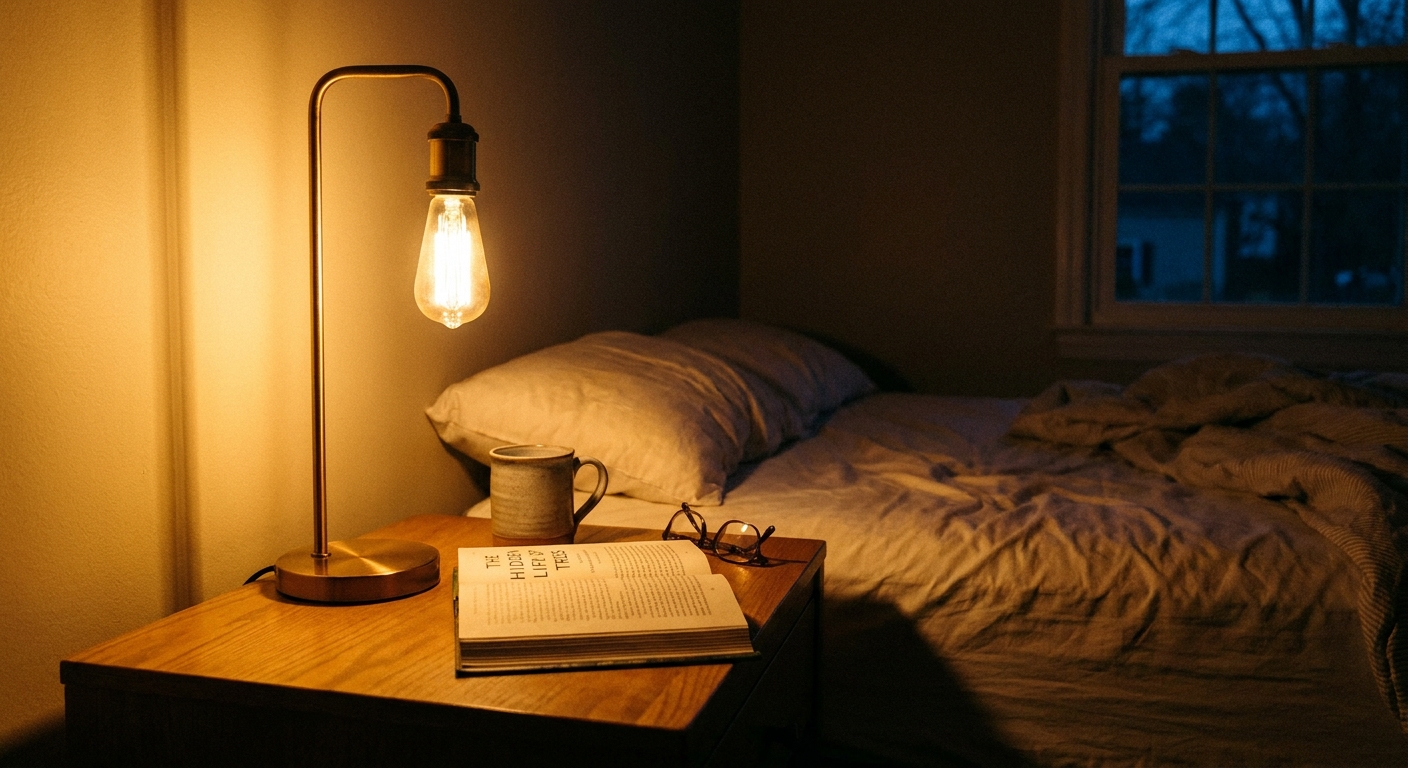
Why table lamps work
- Best for renters: No hardwiring required in most cases.
- Easy to position: Slide it closer to the bed, or choose an adjustable shade that you can aim away from your eyes.
- Lots of style options: From soft fabric shades to sleek modern silhouettes.
- Great for layered lighting: Pairs well with overhead light and a soft floor lamp.
Tradeoffs to know
- They take up surface space: A problem on small nightstands.
- Cord clutter: Especially with phone chargers and alarm clocks nearby.
- Can feel top-heavy visually: If the lamp is too tall for a low headboard.
Easy sizing tips
- Height: Aim for the shade bottom roughly near shoulder level when you are sitting up in bed, so the bulb is not glaring at you.
- Shade width: A shade that is not wider than the nightstand usually looks calm and proportional.
- Brightness: For most bedside setups, 400 to 600 lumens per lamp is a comfortable starting point. If you have a dimmer and a good shade diffuser, you can go a bit higher, but an unshaded or clear shade at 800 lumens can feel surprisingly bright at pillow height.
Option 2: Wall sconces
Wall sconces are the space-saving stars of bedside lighting. They free up the nightstand surface and can look wonderfully tailored, especially with matching pairs.
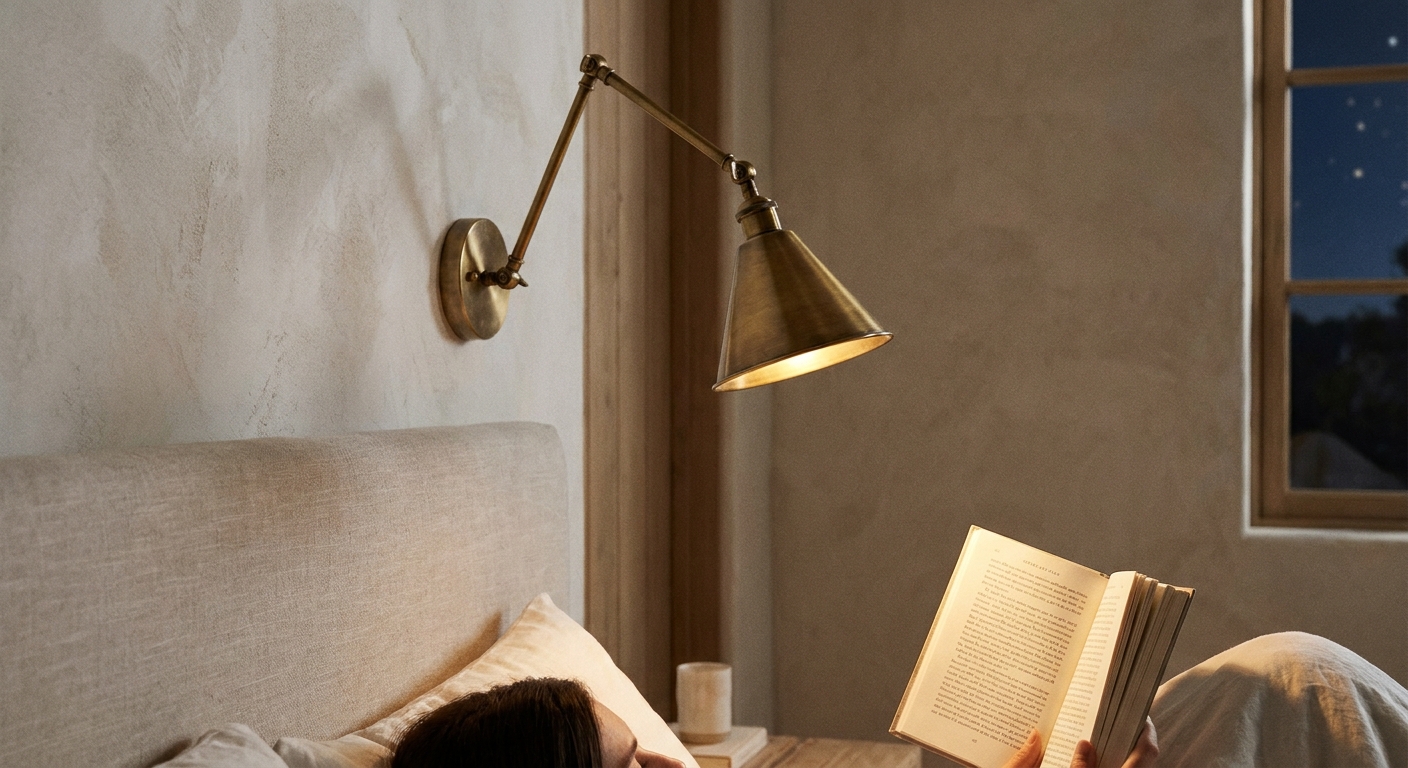
Why sconces shine
- Save nightstand space: Perfect for narrow bedside tables or no tables at all.
- Cleaner look: Fewer cords and less tabletop clutter.
- Great for reading: Adjustable swing-arm sconces can put light exactly where you need it.
- Symmetry made easy: Matching sconces frame the bed beautifully.
Tradeoffs to know
- Placement matters a lot: Too high causes glare, too low can feel awkward and dim.
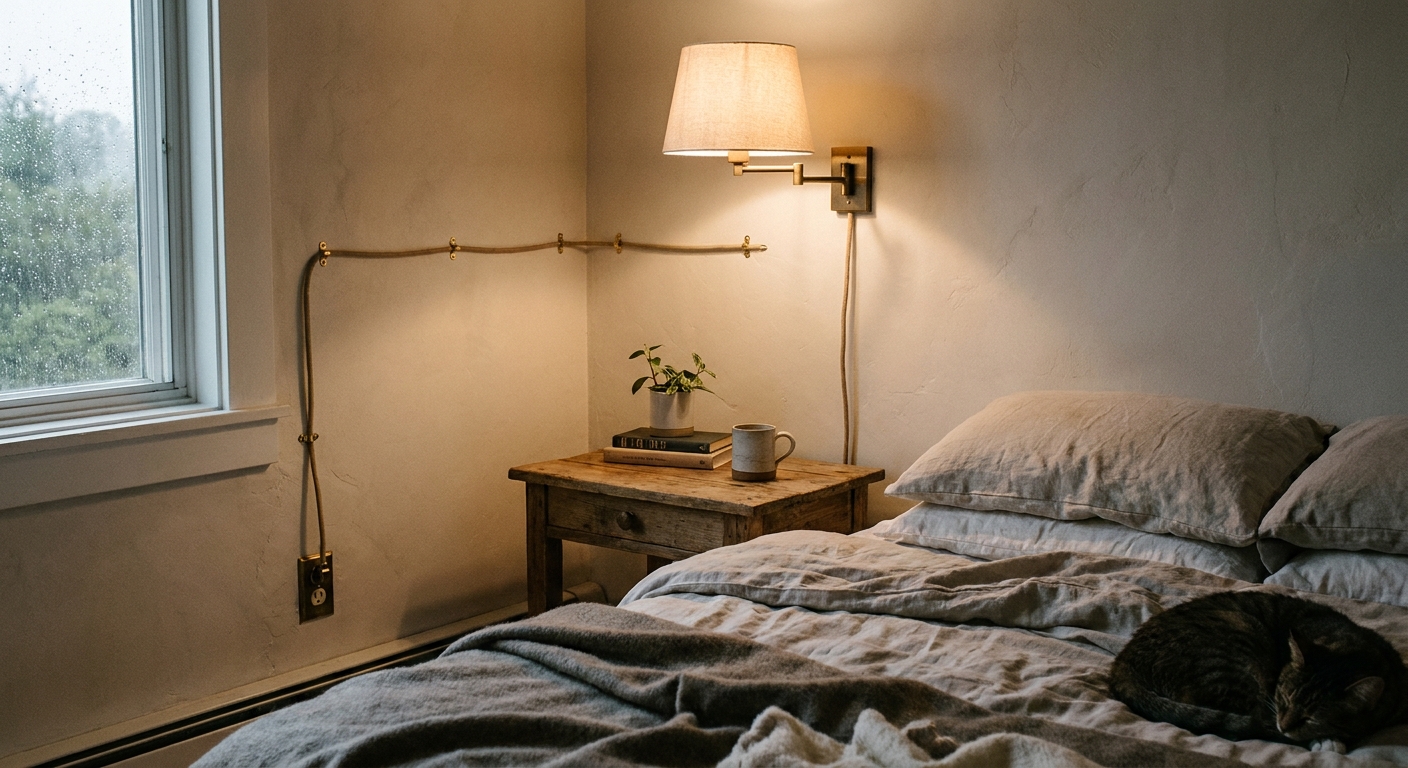
- Hardwired vs. plug-in decisions: Hardwired is sleek, plug-in is simpler but shows a cord.
- Less flexibility: Once installed, moving them is a bigger project than swapping a lamp.
Placement tips that prevent glare
- Height: A common starting point is 50 to 60 inches from the floor, but a more reliable guide is where the light sits relative to you. Aim for the light source to land slightly above shoulder level when you are seated in bed, and not in your direct line of sight.
- Distance from the mattress: Many setups feel comfortable when the sconce is about 6 to 12 inches above the top of the mattress and a few inches outside the pillow edge, so light reaches your book without getting blocked by your shoulder.
- Shade and direction: Opaque shades and directional heads reduce spill into sleepy eyes. A diffuser or frosted shade often feels gentler than clear glass.
Want more fixture style ideas and finishes that feel cohesive across a home? Visit Fixtures & Styles.
Option 3: Bedside pendants
Pendants beside the bed feel modern, airy, and intentional. They can also be a clever workaround when you want a clean nightstand surface and a stylish focal point.
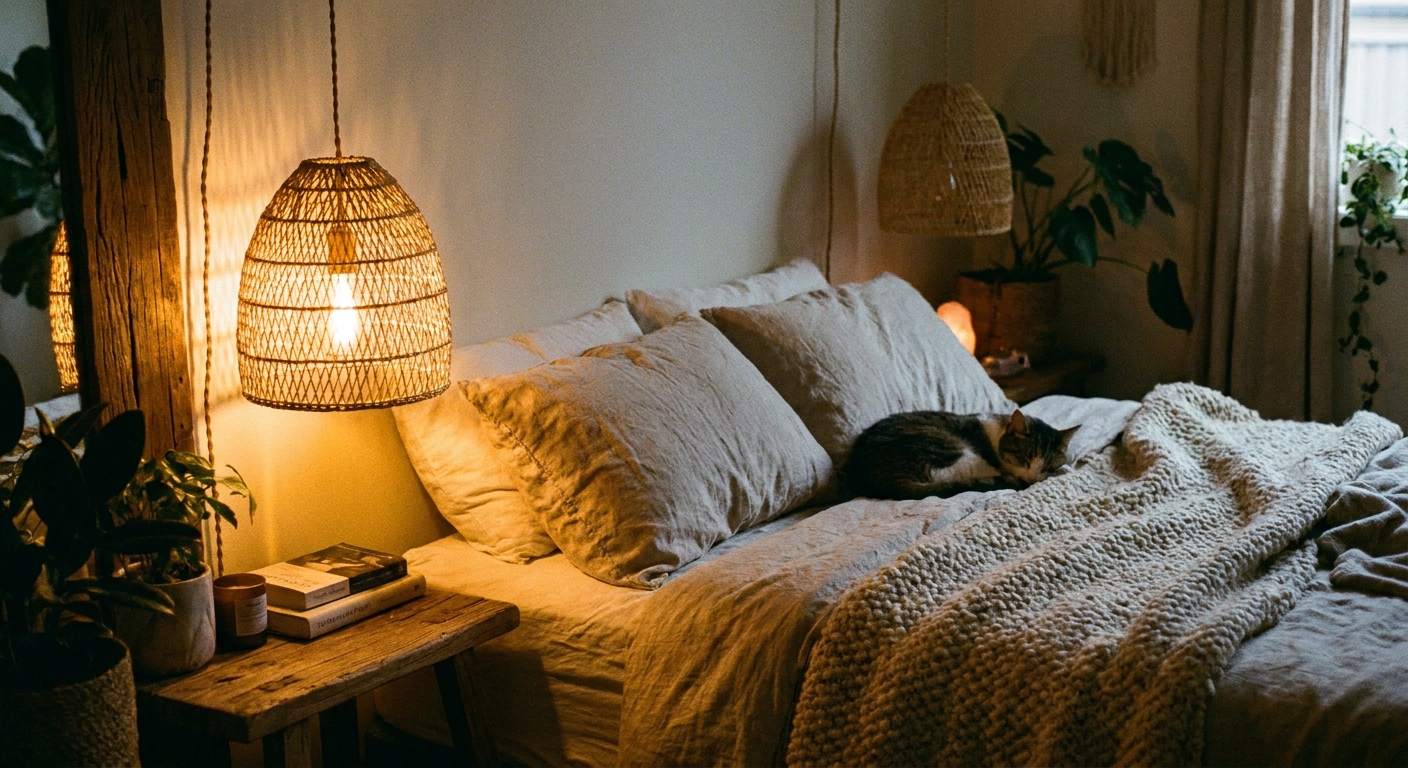
Why pendants can be perfect
- Maximum surface space: Nothing sits on the nightstand.
- High design impact: A pendant can be bedside jewelry for the room.
- Works with small nightstands: Especially helpful in tight bedrooms.
- Good for layered lighting: A pair of pendants plus a soft overhead fixture can feel very balanced.
Tradeoffs to know
- Precise placement is crucial: A pendant hung too low can bump heads, too high can lose the bedside purpose.
- Can cause glare: Clear glass or exposed bulbs are often uncomfortably bright at pillow height.
- Installation varies: Many pendants use a ceiling junction box, but plug-in swag pendants can be a simpler option if hardwiring is not ideal.
- Cord management matters: A simple cord cover or paintable surface raceway can keep things looking neat.
Hanging tips for comfort
- Prioritize shielding: Choose a shade that hides the bulb from your seated and reclined view.
- Watch head clearance: Make sure the pendant does not swing into the walking path and is not low enough to bonk you when you sit up.
- Be cautious with glass: If you love glass, consider frosted or diffused glass rather than clear, especially near pillows.
- Use warm color temperature: 2700K is a classic bedtime-friendly warmth, and 2200K to 2400K can feel extra candlelike.
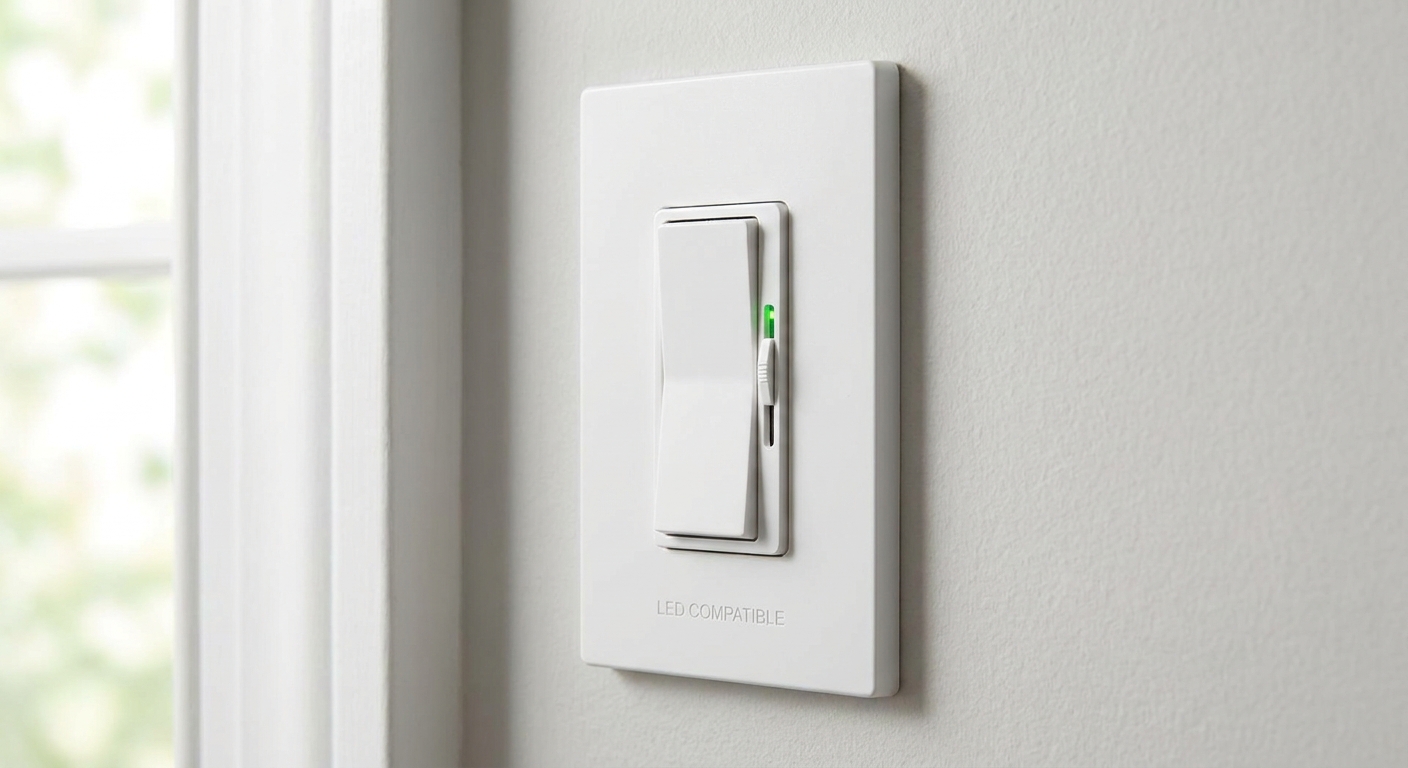
- Use dimmers: This is the secret ingredient that turns pendants from bright statement to soft bedtime glow.
Quick comparison
If your nightstand surface is at a premium, here is the simplest way to think about it:
- Most surface space saved: Pendants and wall sconces
- Most flexible and easy to change: Table lamps
- Most tailored, built-in look: Wall sconces
- Most dramatic style moment: Pendants
| Option | Nightstand space | Installation | Best for |
|---|---|---|---|
| Table lamp | Uses space | Easiest | Renters, frequent style changes |
| Wall sconce | Saves space | Medium to advanced | Small nightstands, reading focus |
| Pendant | Saves space | Medium to advanced | Modern look, minimalist bedside setup |
Choose for your setup
Tiny nightstands
Wall sconces or pendants help you keep the surface for essentials like a glass of water and a phone charger.
Love to rearrange
Table lamps win. They let you adjust the mood and layout without patching walls or moving wiring.
Two people, two routines
Two independently controlled lights are a gift. Swing-arm sconces, adjustable sconces, or two table lamps with individual dimmers can help one person read while the other rests.
Tall headboard
Sconces and pendants can look more proportional than a shorter lamp that gets visually lost. Keep the light source shielded from direct view for comfort.
No nightstands
Sconces and pendants are your best friends. They create intentional bedside lighting without needing furniture to hold a lamp.
Bulbs, shades, and light feel
No matter which fixture you choose, the bulb, shade, and control method can make or break the bedtime vibe.
- Color temperature: For bedrooms, warm light usually feels best. Look for bulbs labeled 2700K for warm white, or lower for an even softer amber glow.
- Dimming: If you can, use a dimmer. If not, choose a lower-lumen bulb so the light is not harsh.
- Shade and distribution: Opaque shades cut glare, but they can limit how much light reaches the page unless the opening aims down toward your book. Diffusing shades (fabric, linen, frosted glass) tend to give the most forgiving bedside glow.
- Glare check: If you can see the bulb directly from your pillow, it will usually feel too intense, even when it is warm.
Controls that make bedtime easier
- For table lamps: A touch lamp, a lamp with a base switch, or a smart bulb you can dim from bed.
- For plug-in sconces: Look for an in-line switch on the cord, or a model with a built-in switch on the fixture.
- For hardwired sconces or pendants: A wall dimmer placed within easy reach of the bed is ideal.
For more on getting that warm, welcoming feel across the whole room, visit Room-by-Room Lighting.
Common mistakes
- Mounting sconces without testing sightlines: Sit on the bed, lean back, and note where your eyes naturally land.
- Choosing exposed bulbs next to pillows: Even a warm bulb can feel glaring if it is visible.
- Forgetting switch placement: The prettiest light is still annoying if you have to get up to turn it off.
- Oversizing the fixture: A huge lamp on a slim nightstand can feel crowded fast.
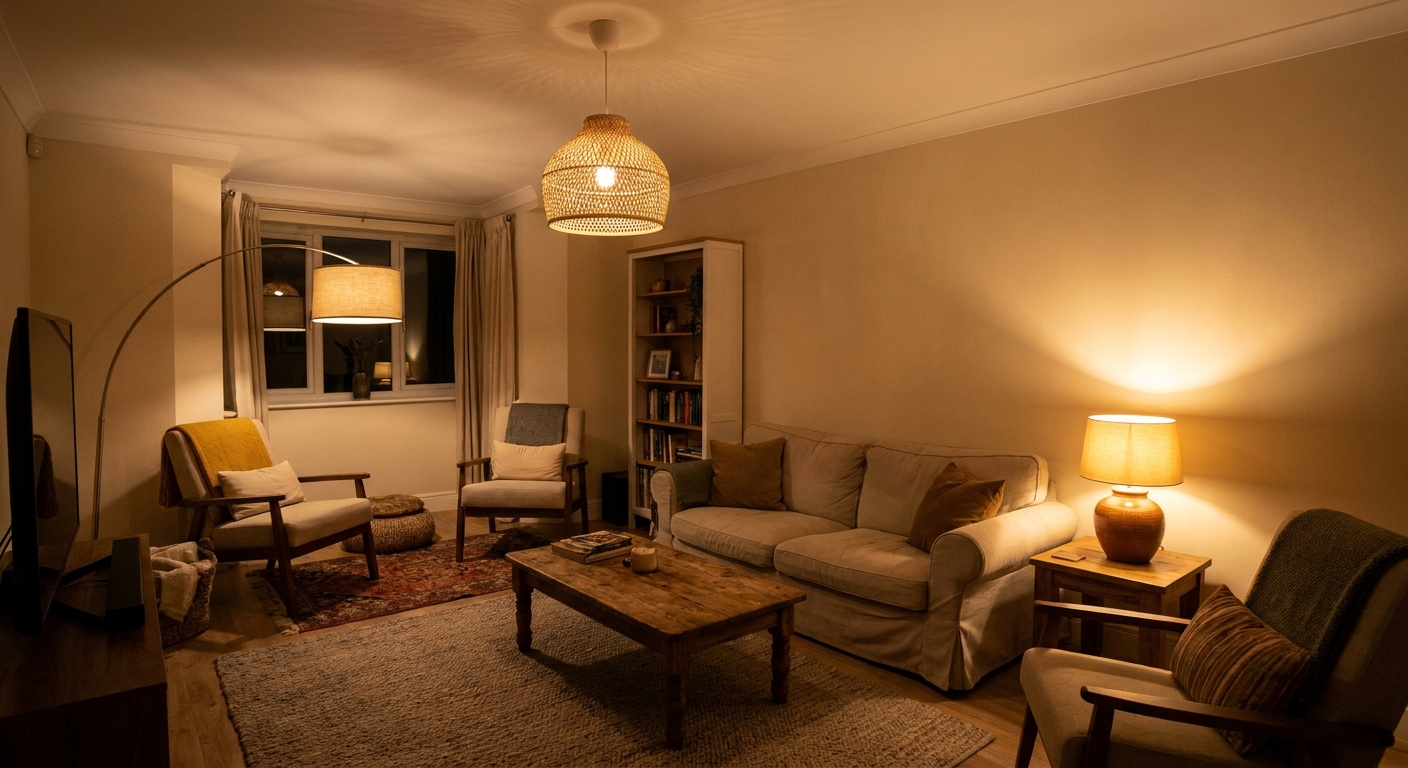
- Only using one layer of light: A single bright source is rarely as cozy as layered light.
Simple decision guide
If you want the fastest path to the right choice, follow this little glow map:
- Pick a table lamp if you want easy setup, lots of style options, and the ability to change things later.
- Pick a wall sconce if you want to save space, reduce clutter, and aim light exactly where you read.
- Pick a pendant if you want a clean nightstand, a modern look, and a statement that still feels soft when dimmed.
If you are hardwiring sconces or pendants and you are not fully comfortable with electrical work, it is worth hiring a licensed electrician. A safe install lets you enjoy the glow without second-guessing it.
Still unsure? A gentle, reliable approach is to start with two bedside lights that can dim, then add a soft overhead or accent light for layering. Cozy lighting is rarely about one perfect fixture. It is about a few friendly glows working together.