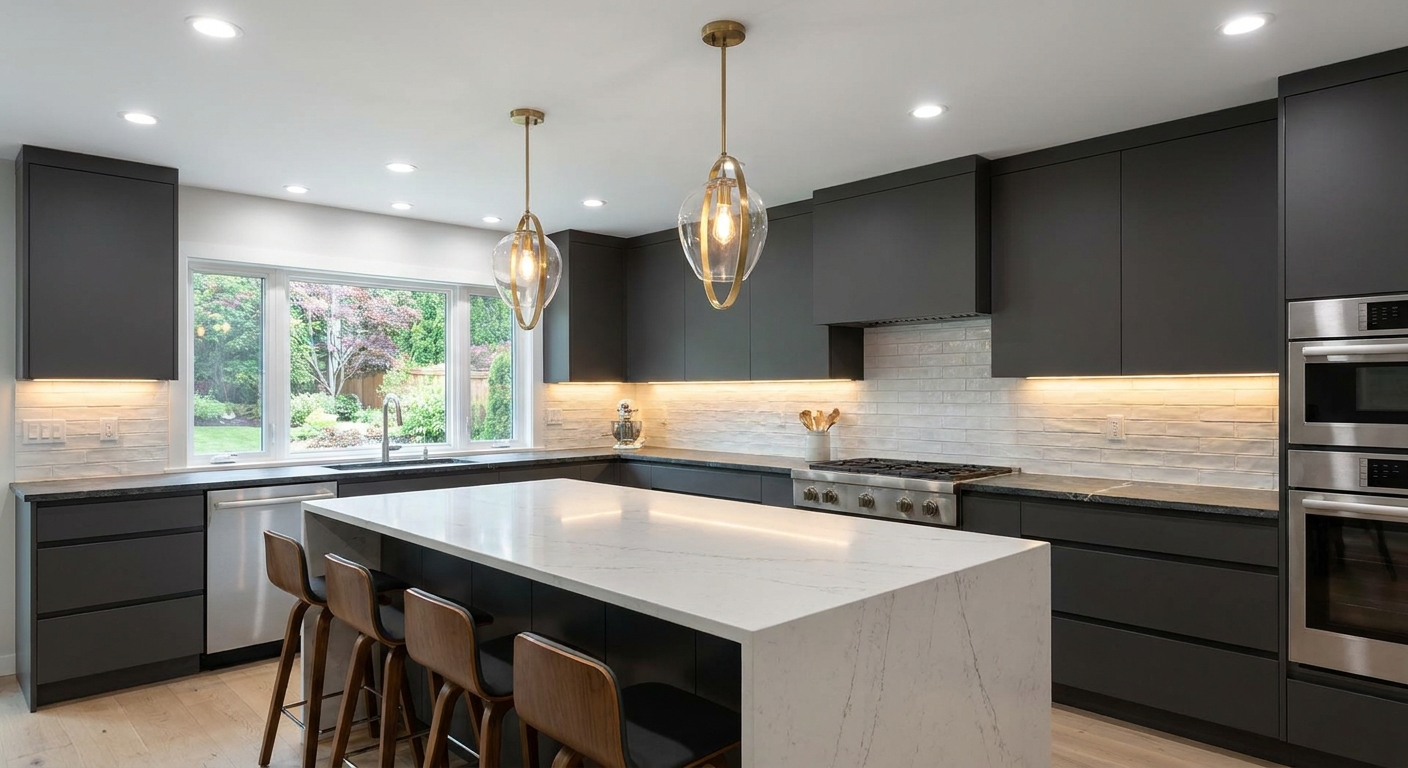
Create a kitchen that feels both bright and welcoming. Learn how to combine recessed ambient light, under-cabinet task lighting, and pendants—with spacing, h...
Warm Lumen
Lumens vs. Watts for LED Bulbs

Lumi
Lumi is the friendly little firefly host of Warm Lumen, with a heart that glows as brightly as a perfectly placed pendant lamp. He loves discovering how soft bulbs, warm color temperatures, and layered lighting can transform any dark room into a welcoming retreat. Lumi is always fluttering by to share bright ideas and cheer you on as you create a beautifully lit space.
Published
Let’s find the perfect glowing touch for every corner of your home. When you’re buying LED bulbs, the box can feel like it’s speaking two languages at once: lumens and watts. Here’s the simple secret: lumens tell you how bright the light is, and watts tell you how much energy the bulb uses. Once you spot that difference, picking the right bulb gets wonderfully straightforward.
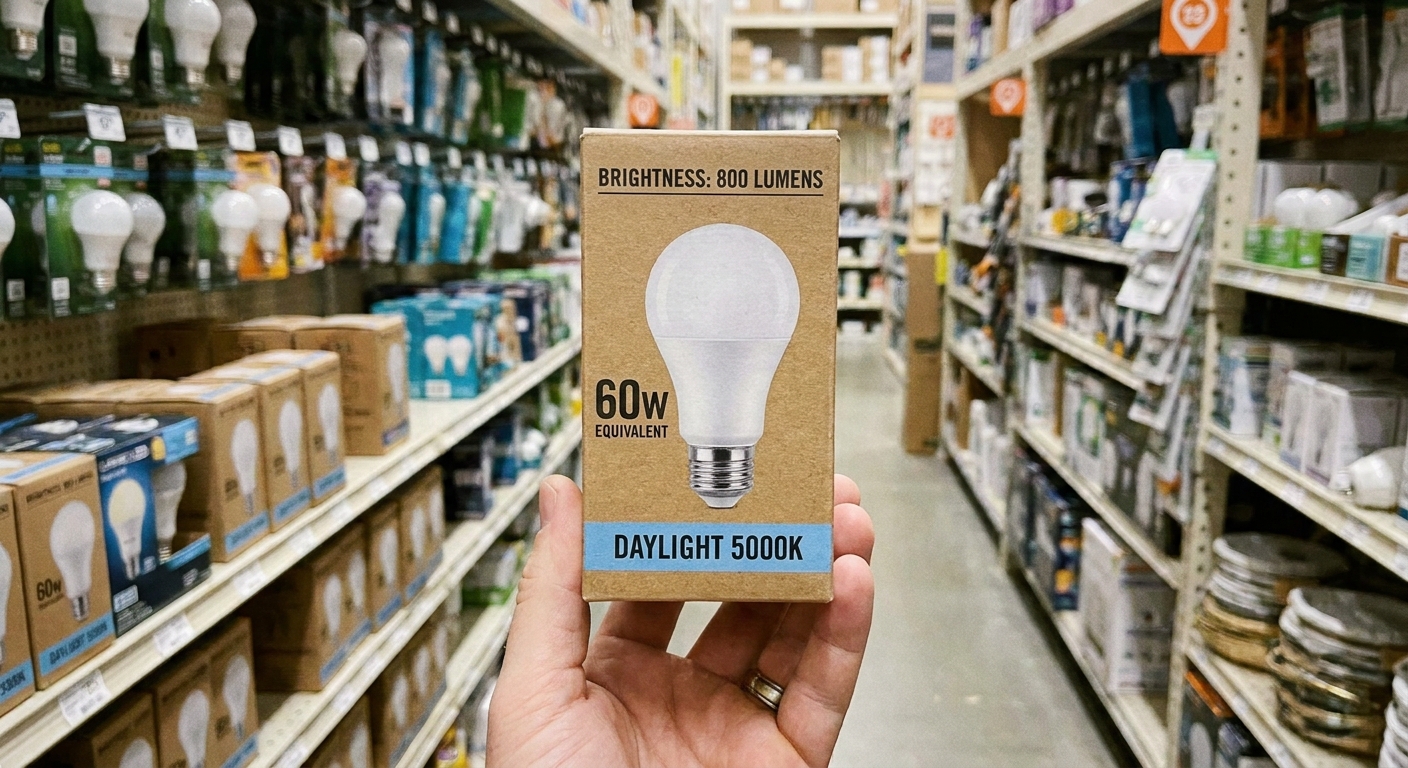
Lumens vs. watts
- Lumens (lm) = brightness. Higher lumens mean a brighter bulb.
- Watts (W) = energy use. Lower watts mean less electricity used.
In the old incandescent days, watts loosely hinted at brightness because most bulbs were inefficient in the same way. LEDs changed that. A modern LED can create the same brightness as an older bulb while using a fraction of the watts.
Shop by lumens first
If you’re replacing an older bulb and you liked how bright it felt, use this as a friendly starting point. (Bulb packaging often shows a “replaces X watts” line, but lumens are the truest clue.)
| Incandescent brightness you’re used to | Target LED lumens | Typical LED watts |
|---|---|---|
| 40W | ~450 lm | ~4 to 6W |
| 60W | ~800 lm | ~6 to 10W |
| 75W | ~1100 lm | ~9 to 13W |
| 100W | ~1600 lm | ~14 to 18W |
Little glow note: These are approximate ranges. Different LED designs, diffusers, beam angles, and fixtures can make the same lumens feel different in a room.
Why LEDs use fewer watts
Watts measure how much power a bulb consumes. LEDs are better at turning electricity into visible light than incandescents, which waste a lot of energy as heat. (LEDs still create heat too, which is why they have heat sinks. They just create more light per watt.)
If your goal is a bright, welcoming room, focus on lumens first. If your goal is lowering your energy use, compare watts after you’ve chosen the brightness you want.
How many lumens do you need?
Brightness is personal, and it depends on wall color, ceiling height, lamp shade color, and how many lights you use. Use these ranges as a beginner-friendly landing pad for each bulb, then adjust based on how many bulbs you have and how the light is shaped and aimed.
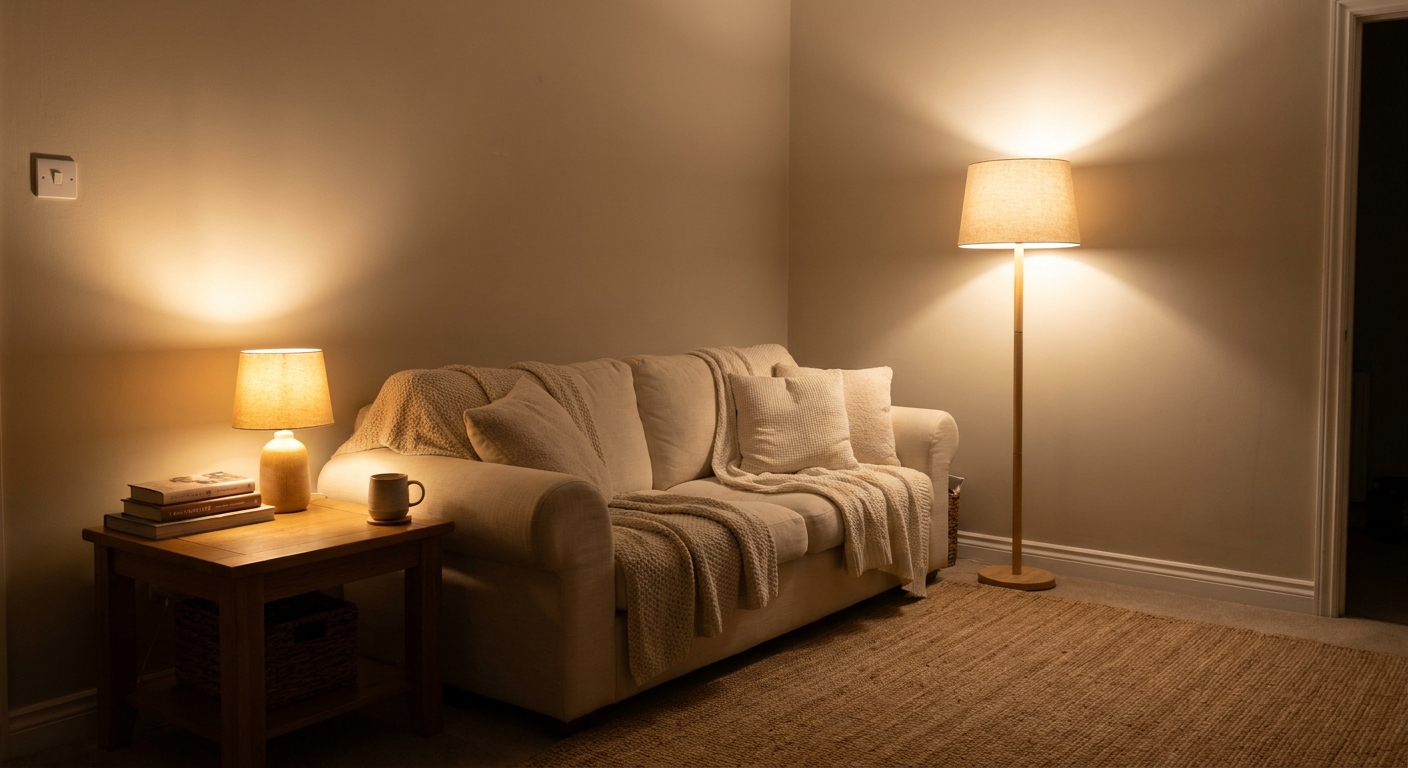
- Soft, cozy corners: 200 to 450 lumens (nightstands, accent lamps)
- Everyday room lighting: 450 to 800 lumens (many living spaces, bedrooms)
- Task lighting: 800 to 1100 lumens (desks, kitchens, reading chairs)
- Bright utility lighting: 1100 to 1600+ lumens (laundry, garage, workshops)
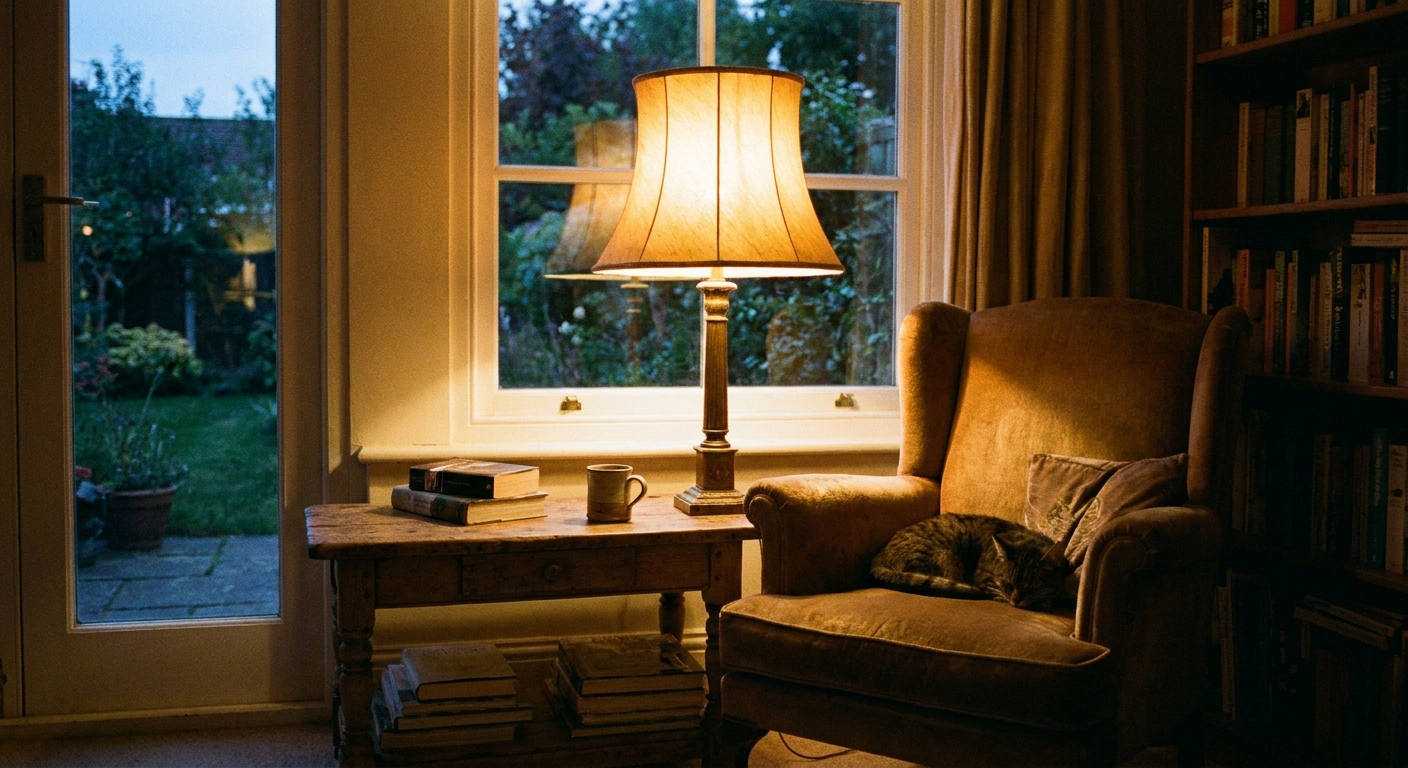
If you want a room to feel flexible, layer multiple moderate-lumen lights instead of relying on one ultra-bright bulb. Warm Lumen’s guide to layering can help: How to Layer Kitchen Lighting.
Box details that matter
Lumens tell you total light output, but a few other specs decide whether that brightness feels soothing or harsh.
1) Color temperature (Kelvin)
- 2200K to 2700K: extra warm to warm, candlelike and cozy
- 3000K: warm white, clean but still inviting
- 3500K to 4000K: neutral to cool, crisp for task zones
- 5000K+: daylight look, very cool and energizing
Quick clarity: Kelvin describes the color of the light, not how bright it is. You can find 800-lumen bulbs in 2700K, 3000K, or 5000K, and they will be similarly bright, just very different in mood.
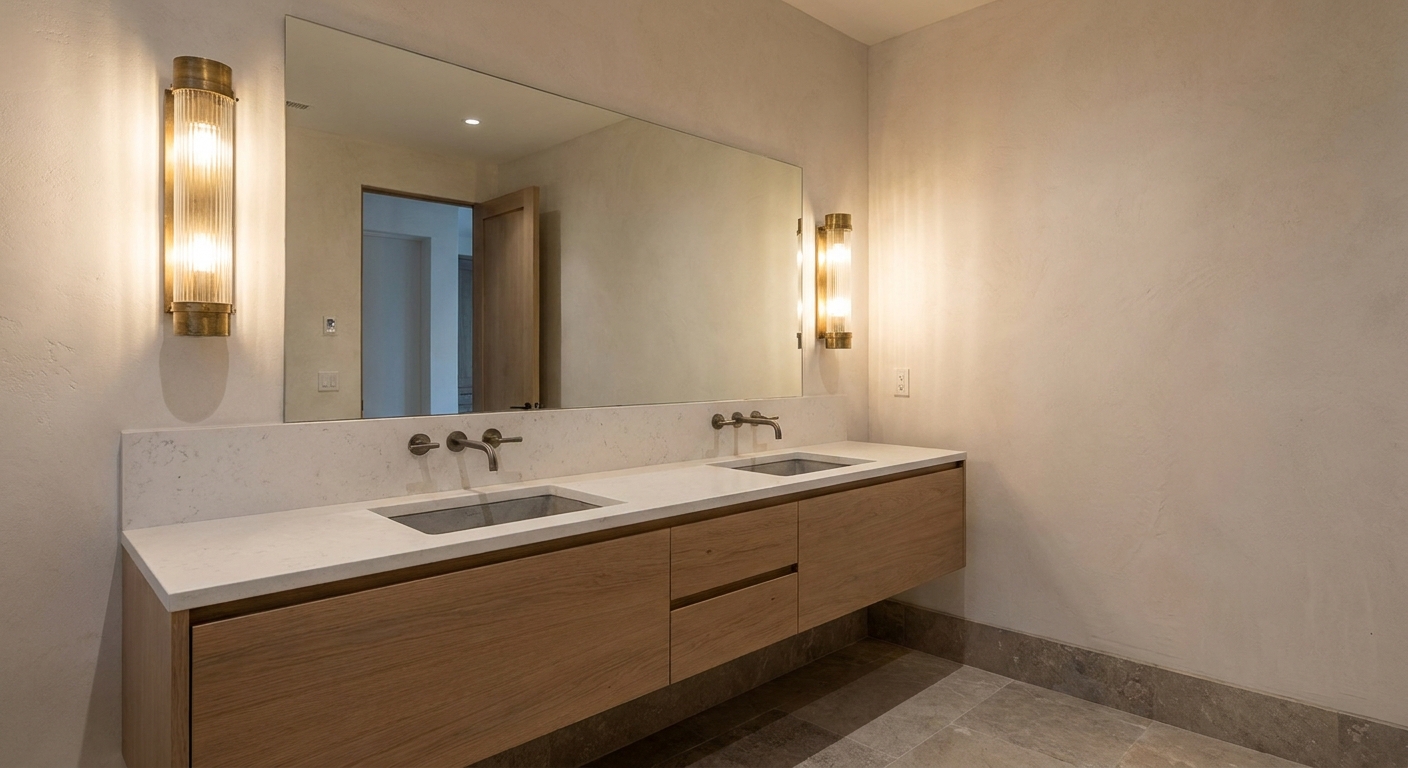
For spots where faces matter, like the vanity mirror, Kelvin choices are especially important. See: Best Color Temperature for Bathroom Vanity Lighting.
2) Dimmable or not
If you have a dimmer switch, the bulb must say dimmable. Even then, LEDs can sometimes flicker on older dimmers. If dimming matters to you, look for bulbs that mention compatibility or “works with most LED dimmers.”
3) Beam angle and direction
A narrow beam concentrates light in a smaller area, which can feel brighter on a countertop but leave the rest of the room dim. A wide beam spreads light more evenly, which often feels softer in a lamp or ceiling fixture.
For directional bulbs like BR30 and PAR (often used in recessed cans), you may also see center-beam intensity numbers (sometimes listed as CBCP). That spec helps explain why two bulbs with similar lumens can feel different when aimed at a specific spot.
4) CRI (color rendering)
CRI describes how naturally colors appear under the bulb. For most homes, aim for CRI 90+ when you can, especially in kitchens, bathrooms, and anywhere you care about how paint, skin tone, or food looks. For general ambient lighting, CRI 80+ is very common and often perfectly fine.
5) Bulb shape and base
Make sure the bulb fits your fixture: A19 is common for lamps, BR30 is common for recessed cans, and globe bulbs show up often in bathroom vanities. Matching the base size (like E26 or E12) is just as important as brightness.
6) Enclosed fixture rating
If your light is fully enclosed (some flush mounts, some outdoor lanterns, some small glass shades), check the box for an enclosed fixture rating. Some LEDs are not designed to run in sealed spaces where heat builds up, which can shorten lifespan and sometimes cause early flicker or dimming issues.
Room-by-room starting points
Every room gets happier with the right mix of ambient, task, and accent light. These suggestions assume typical ceiling heights and average finishes, and they work best when you use more than one light source.
- Bedroom: 450 to 800 lm for bedside lamps, plus gentle ambient light. More ideas here: Bedside Lighting: Lamps vs. Sconces vs. Pendants.
- Living room: 450 to 1100 lm per lamp depending on shade and distance to seating. If there’s no overhead fixture, layering matters a lot: Living Room Lighting Without Overhead Fixtures.
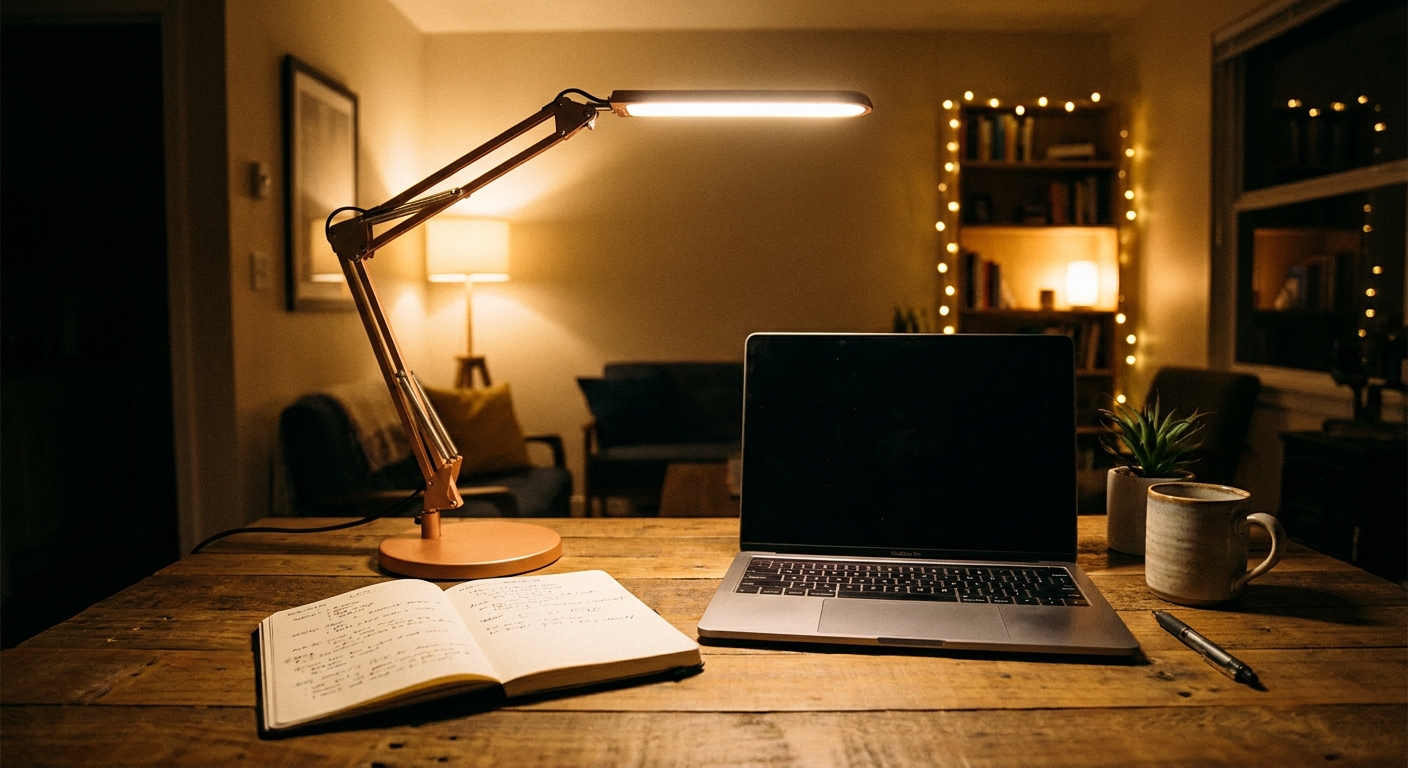
- Home office: 800 to 1100 lm for a desk lamp, with careful placement to reduce glare: Home Office Lighting Setup.
- Hallways and stairs: Aim for comfortable, even lighting rather than one intense hotspot: Hallway and Staircase Lighting Ideas.
Common mistakes
- Mistake: Buying LEDs by watts like it’s 2005. Fix: Choose lumens first, then compare watts for efficiency.
- Mistake: Using one very bright bulb to light an entire room. Fix: Use layered lighting with multiple fixtures for softer, more even glow.
- Mistake: Picking a cool Kelvin for relaxing spaces. Fix: Try 2700K (or warmer) in bedrooms and living rooms.
- Mistake: Forgetting dimmable bulbs on a dimmer switch. Fix: Match dimmer plus dimmable LED, and swap the dimmer if flicker persists.
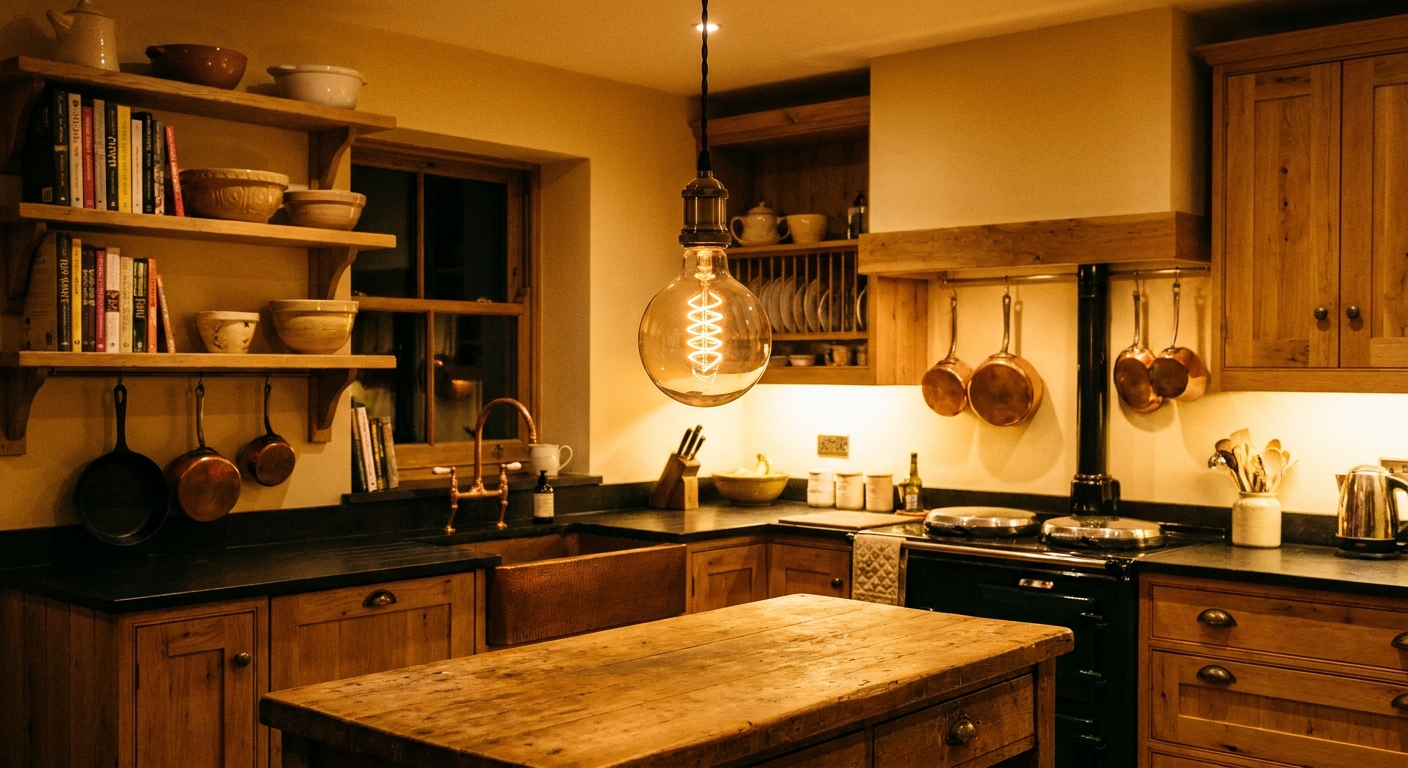
- Mistake: Glare from clear bulbs in bare fixtures. Fix: Use frosted bulbs, shaded fixtures, or a lower-lumen bulb. For a vintage look with comfort, see: LED Edison Bulbs: Vintage Glow Without Glare.
- Mistake: Putting a non-enclosed-rated LED in a sealed fixture. Fix: Choose an enclosed-rated bulb, or use a more open fixture so heat can escape.
Quick checklist
- Brightness: Pick lumens that match the job (cozy, everyday, or task).
- Energy: Check watts only after you like the lumens.
- Color: Choose Kelvin for the mood (2700K is a common warm favorite).
- Quality: Look for CRI 90+ when color matters.
- Control: Confirm dimmable if you plan to dim.
- Fit: Confirm bulb shape and base size match your fixture.
- Fixture: Check enclosed rating for sealed lights.
FAQ
Is higher lumens always better?
Not always. Higher lumens can mean harsh glare in a small lamp or a relaxing room. It’s often better to use several moderate-lumen lights and spread the glow around.
What’s a good replacement for a 60-watt bulb?
Look for an LED around 800 lumens. The watt number often lands around 6 to 10 watts, depending on the bulb.
Why does the same lumen bulb look different in two lamps?
Lamp shade color, shade height, bulb orientation, beam angle, and even wall paint can change how bright it feels. Clear shades and upward-facing bulbs often feel brighter. Dark shades and deep shades absorb light, so you may want more lumens.
Do LEDs get dimmer over time?
They typically slowly lose brightness over many hours of use rather than burning out suddenly like older bulbs. Packaging sometimes notes “L70” life ratings, meaning when the bulb reaches 70 percent of its original brightness.
Wrap-up
If you remember just one thing, let it be this: lumens = brightness, watts = energy use. Choose the lumens that make your space feel right, then enjoy the lower watts as a happy bonus.
If you’d like more beginner-friendly lighting building blocks, flutter by: Lighting Basics & Education.