Choose the most flattering, accurate vanity lighting. Learn the best Kelvin range for bathrooms, when to use 2700K–3500K, why CRI 90+ matters, and how to pla...
Warm Lumen
Damp vs Wet-Rated Lights: Bathrooms and Covered Patios

Lumi
Lumi is the friendly little firefly host of Warm Lumen, with a heart that glows as brightly as a perfectly placed pendant lamp. He loves discovering how soft bulbs, warm color temperatures, and layered lighting can transform any dark room into a welcoming retreat. Lumi is always fluttering by to share bright ideas and cheer you on as you create a beautifully lit space.
Published
Let’s find the perfect glowing touch for every corner of your home, even the steamy ones. When water shows up, lighting needs a little extra armor. The good news is that “damp-rated,” “wet-rated,” and IP ratings are all just ways of answering one cozy, practical question: Will this fixture stay safe and reliable where you plan to put it?
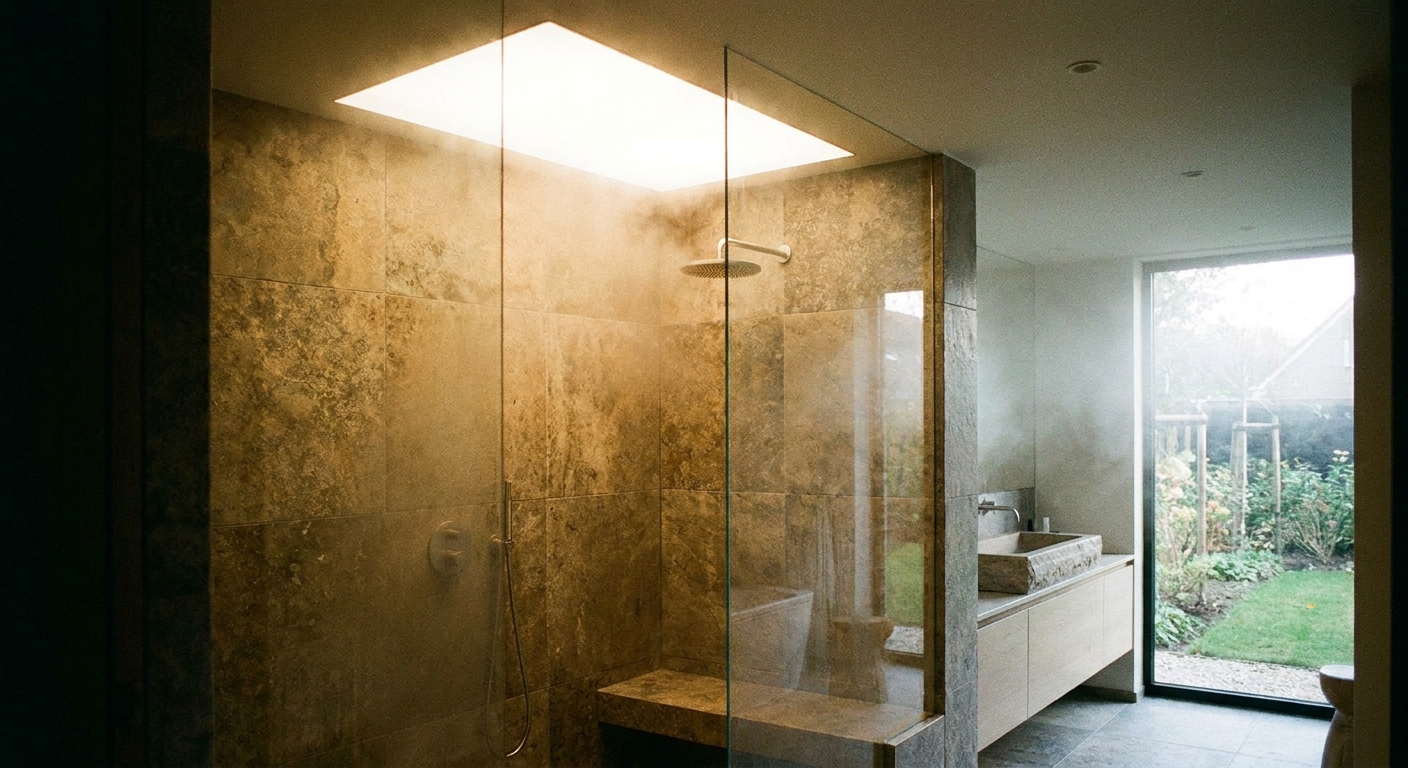
What damp-rated and wet-rated mean
Think of these ratings as a fixture’s comfort zone around moisture. In North America, you’ll often see this as part of a UL or ETL listing using the words dry, damp, or wet location. Wherever you live, the safest rule is simple: follow the fixture’s listed location rating and your local authority’s interpretation.
Damp-rated
- Designed for: Humid air and occasional condensation.
- Common locations: Bathrooms outside direct spray, covered porches, laundry rooms, some basements.
- Not meant for: Direct water spray or water that can collect on or inside the fixture.
Wet-rated
- Designed for: Direct exposure to water like rain, spray, or heavy splashing.
- Common locations: Shower areas (when the product is specifically listed for that use), outdoors where rain can blow in, uncovered patios, exterior walls.
- Extra protection: Better sealing, gasketing, drainage design, and corrosion resistance are common.
If you’re torn between damp and wet, choosing wet-rated can be a smart safety upgrade for exposed locations. Just note one important caveat: a wet-location listing does not automatically mean a fixture is approved for every shower or tub zone, every mounting orientation, or every installation detail. Always check the manufacturer’s instructions.
IP ratings in plain language
Some fixtures use an IP (Ingress Protection) rating instead of, or alongside, damp and wet labels. IP ratings describe how well a product blocks solids (like dust) and liquids (water).
They look like IP44 or IP65:
- The first digit is protection from solids (0 to 6).
- The second digit is protection from water (0 to 9).
Quick IP cheat sheet
- IP44: Protection from splashes. Common on bathroom fixtures outside direct spray and on covered outdoor fixtures.
- IP54: Better sealing against dust and splashes. Nice for covered patios in windy climates.
- IP65: Strong protection against water jets. Common for more exposed outdoor locations.
- IP67: Can handle temporary immersion. Usually more than you need for typical home fixtures, but it shows up in specialty products.
One important glow-tip: “damp-rated” and “IP44” are not automatically identical. IP tells you about ingress protection, not the full electrical safety listing for a specific installation.
If you are in the U.S. or Canada, “wet location listed” (UL or ETL) is typically the decisive label for shower-area installations, even if an IP rating is also provided.
For the official structure of IP codes, see the IEC overview here: https://www.iec.ch/ip-ratings.
Bathrooms: where ratings matter most
Bathrooms are tricky because they combine electricity, steam, and splash zones. To keep things simple, focus on how close the fixture is to water and whether it can be hit by spray, then match that to the fixture’s listing and instructions.
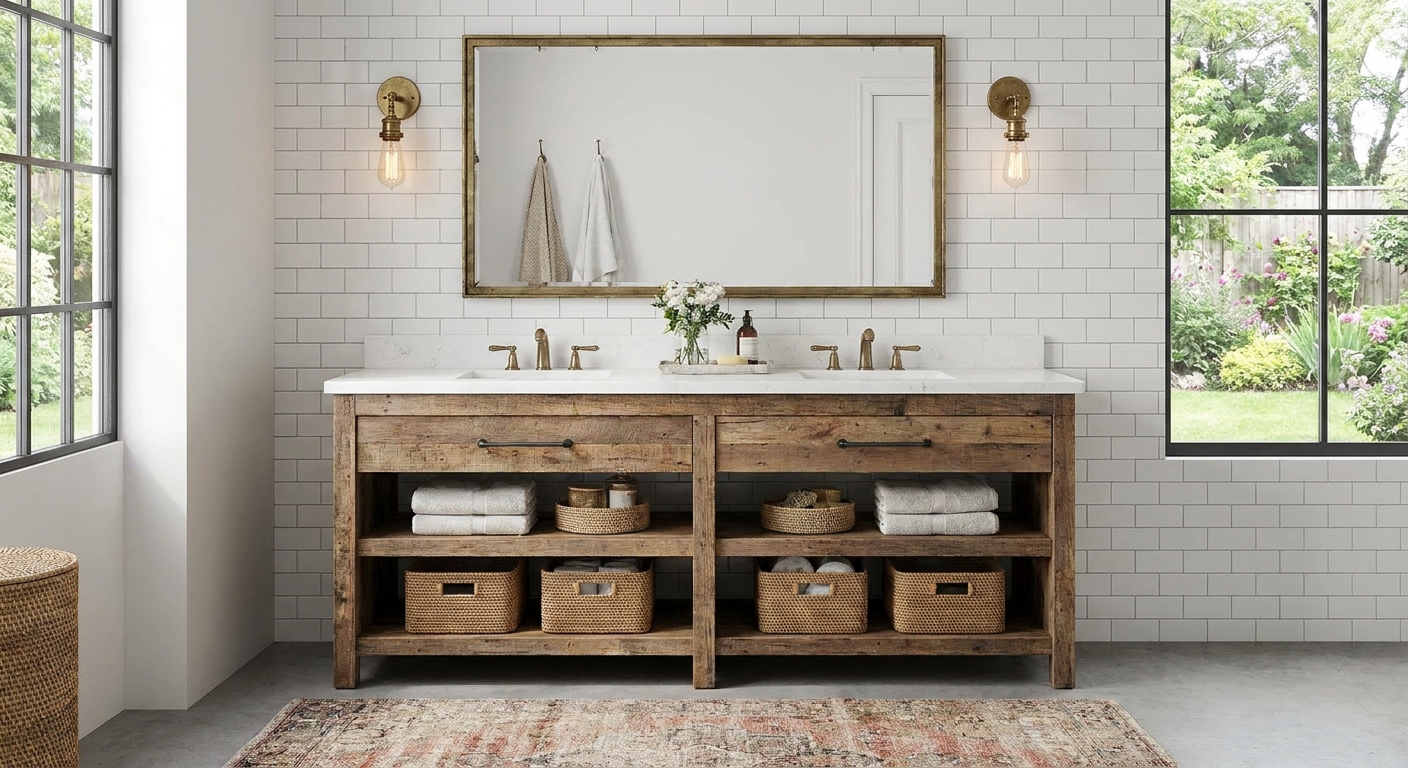
1) Over the sink and vanity
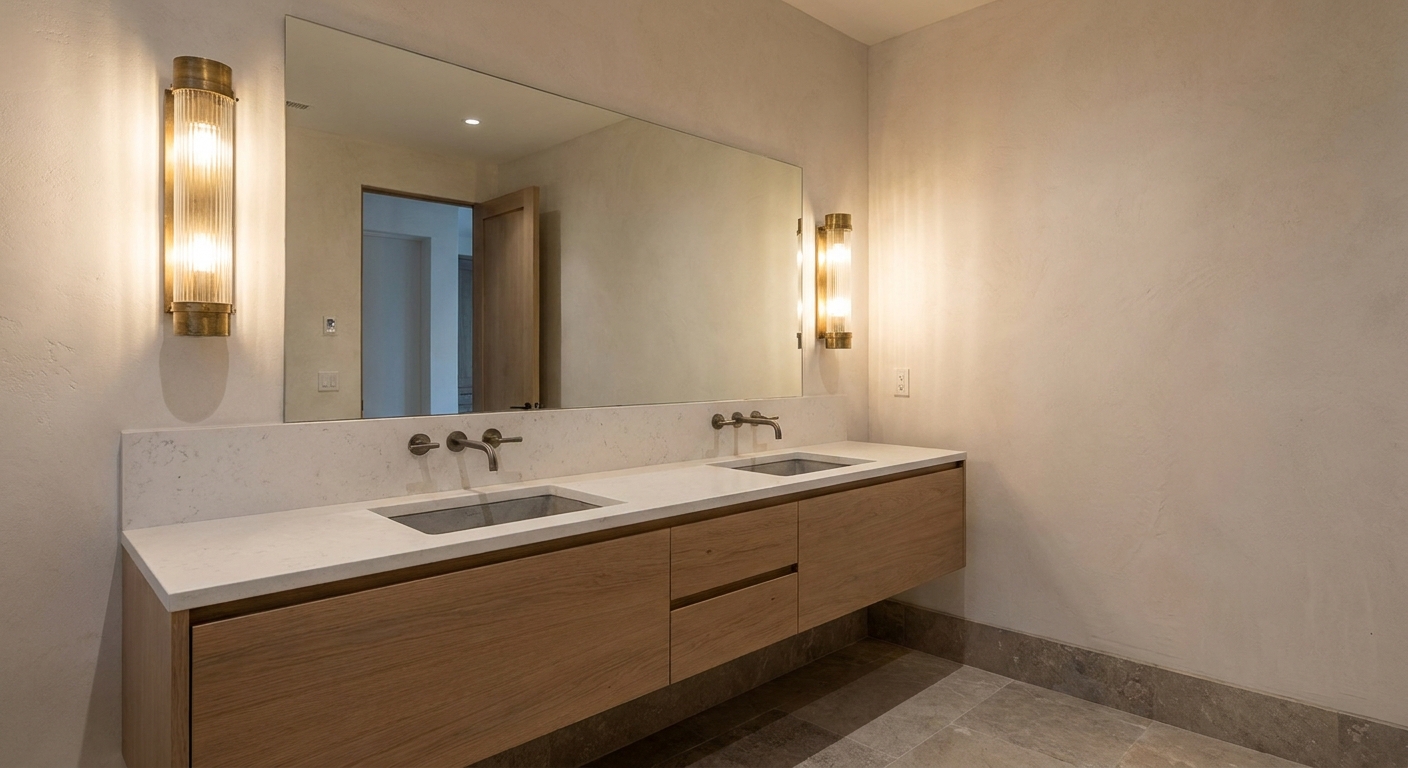
Most vanity locations are about humidity and occasional splashes, not direct spray. Many homeowners choose damp-rated fixtures here because bathrooms can get steamy, but compliance still comes down to the fixture’s listing and local interpretation.
- Choose enclosed or shade-protected bulbs to reduce corrosion and make cleaning easier.
- Pair moisture-smart safety with flattering light by picking the right warmth: Best Color Temperature for Bathroom Vanity Lighting.
2) Ceiling lights in the main bathroom area
If the light is not directly above the shower or tub, the goal is usually a fixture that can tolerate normal bathroom humidity. Some spaces do fine with products listed for dry locations, and many people prefer damp-rated here for extra peace of mind. Either way, the key is the manufacturer’s location rating and what your AHJ accepts.
3) In and near the shower or tub
This is where you want to slow down and read labels carefully. Areas that can get direct spray generally call for wet-rated fixtures or products specifically marked as suitable for shower areas.
Think in simple “zones,” without getting hung up on exact measurements: inside the footprint of the shower or tub, anywhere spray can reach, and the ceiling directly above the shower. Requirements can change based on ceiling height, the type of enclosure, and whether it is a tub, shower, or combo.
- Look for wording like “wet location listed” or “suitable for shower areas.”
- Use the right trim for recessed lighting. For shower areas, look for a shower trim with a gasketed lens (and a trim that is specifically listed for wet locations when installed as directed).
- Mind the bulb type the fixture requires. Some shower-rated housings require specific lamp types for safety and heat control.
For recessed lighting details like beam control and what your trim is actually doing, head over here: Recessed Lighting Beam Angles Explained.
4) Exhaust fan lights
Many bath fans with integrated lights are designed for humid spaces, but not all models are intended for shower zones. If your fan is above the shower, confirm the unit is listed for that placement, not just “okay in bathrooms.”
Code language and local rules can vary, so treat ratings as the minimum and your real conditions as the deciding factor. If you want a code baseline, the National Electrical Code is maintained by NFPA: https://www.nfpa.org/nec.
Covered patios: covered is not always dry
A roof helps, but patios still deal with wind-driven rain, fog, salty air, and big temperature swings. This is where people often install a pretty indoor pendant and then wonder why it looks tired so quickly.
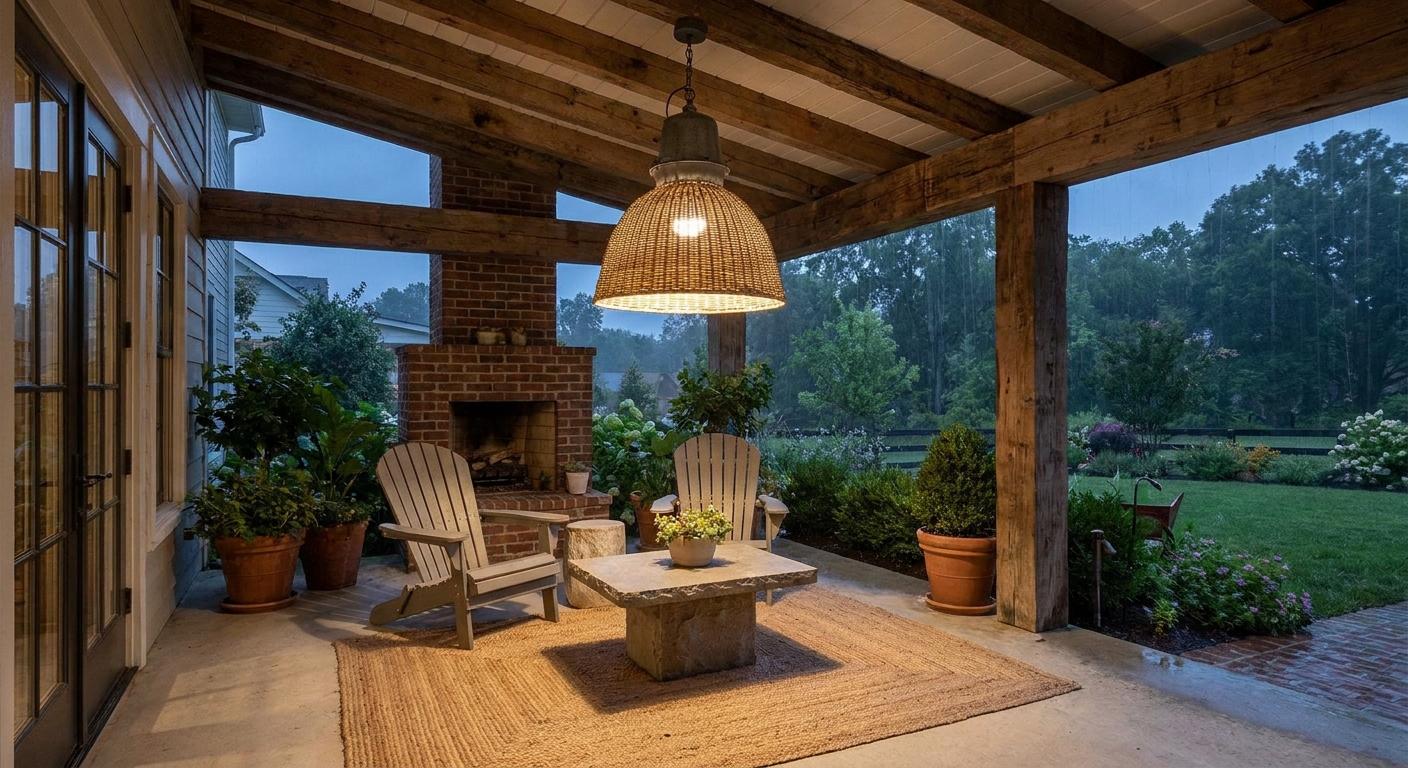
A simple patio rule
- Damp-rated: Fully covered, not exposed to direct rain, and not likely to be hit by hose spray.
- Wet-rated: Any chance of rain blowing in, coastal mist, open sides, or locations near sprinklers.
Outdoor survival tips
- Choose durable finishes: Look for fixtures described as outdoor-rated, corrosion-resistant, or marine-grade when you live near salt air.
- Prefer enclosed designs: Open-bottom glass looks airy, but sealed or partially enclosed fixtures usually age better outdoors.
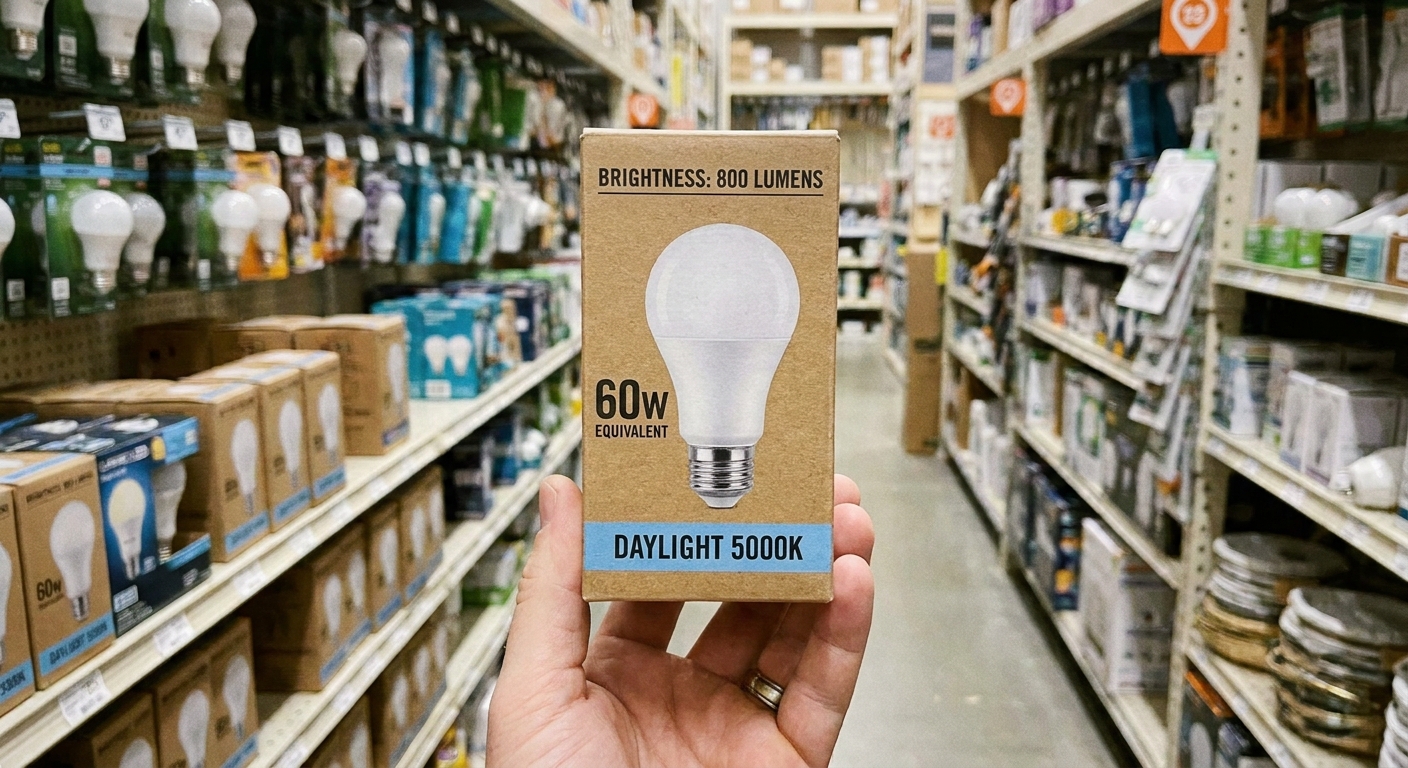
- Use correctly labeled bulbs: Look for bulb packaging that says “suitable for damp locations” or “suitable for wet locations” (or “suitable for outdoor use”). Separately, if your fixture is enclosed, make sure the bulb is also labeled suitable for enclosed fixtures when required.
- Check the box cover and gasket: A wet-rated fixture on a poorly sealed box is still a weak point.
How to read labels
When you’re shopping, the answer is usually right on the spec sheet, carton, or installation manual. Look for these phrases:
- “Suitable for damp locations” or “Damp location listed”
- “Suitable for wet locations” or “Wet location listed”
- An IP rating (IP44, IP65, and so on), if provided
- Special notes like “Only when used with the included lens,” “Only with specified lamp,” or “Not for use in enclosed fixtures” (common on some LED bulbs)
A small but important detail
A fixture can be damp-rated, but still have openings that invite bugs, dust, or condensation that collects inside over time. If the location is humid or windy, an enclosed damp-rated fixture often stays cleaner and brighter.
Bathrooms: safety plus beautiful light
Once the rating is right, it’s time for glow quality. Three things make bathroom lighting feel calm, clean, and flattering:
- Layering: vanity lighting plus overhead ambient light is a sweet baseline.
- Enough brightness: under-lighting makes grooming harder and shadows stronger. Use lumens to plan, not watts. Start here: Calculate the Right Lumens for Any Room and Lumens vs Watts for LED Bulbs.
- Color accuracy: a higher CRI helps skin tones and makeup colors look more true: CRI Explained: Why Color Accuracy Matters.
Common mistakes
Mistake: using a dry-only fixture in a steamy bathroom
Fix: If your bathroom regularly gets humid, consider a damp-rated ceiling fixture or a sealed LED flush mount, and confirm the location rating matches the installation. If your ceiling is low, this guide can help you choose a style that sits nicely: Flush Mount vs Semi-Flush Mount Lights for Low Ceilings.
Mistake: assuming covered porch always equals damp-rated
Fix: If rain can blow in even occasionally, choose wet-rated. It usually looks the same, it just has better protection.
Mistake: putting the right fixture on the wrong switch
Fix: If you want dimming, confirm the fixture and bulb are dimmable and use a compatible dimmer. LED flicker often comes from mismatches: How to Fix LED Flicker With the Right Dimmer.
Mistake: recessed lighting without shower-rated trim
Fix: Use a trim that is specifically listed for wet locations when installed in shower areas, and follow the manufacturer’s instructions exactly.
FAQ
Is damp-rated okay for a bathroom?
Often, yes. Many bathrooms are humid enough that damp-rated fixtures are a comfortable choice. For areas that can get direct spray, like inside many shower footprints, you typically want wet-rated equipment or fixtures specifically listed as suitable for shower areas.
Can I use a wet-rated fixture in a damp location?
Usually yes, and it can be a smart upgrade. Just confirm installation compatibility and that the fixture is approved for your mounting orientation, bulb type, and any enclosure conditions.
Is IP44 enough for a shower?
IP44 speaks to splash resistance, but it does not automatically tell you a fixture is approved for a shower installation. For shower locations, prioritize a fixture that is listed as suitable for wet locations or suitable for shower areas, and follow local code requirements.
What about covered patios with a ceiling fan light?
Look for a fan and light kit rated for damp or wet locations based on exposure. If wind-driven rain can reach it, wet-rated is the safer choice.
A quick checklist
- Identify exposure: humidity only (damp) or direct water (wet).
- Read the label: dry, damp, wet location, and any shower-specific notes.
- Match the whole system: fixture, trim (for recessed), bulbs, box cover, and gaskets.
- Plan the glow: choose comfortable color temperature and enough lumens for the task.
If you want a bigger foundation for lighting terms and how everything fits together, head over to Lighting Basics & Education. A little knowledge goes a long way toward a bathroom and patio that feel bright, calm, and wonderfully safe.