
Learn what makes lighting feel mid-century modern—then choose sputnik chandeliers, opal globe pendants/sconces, and brass finishes with practical tips on siz...
Warm Lumen
Glass Globe Lighting: Clear vs. Frosted

Lumi
Lumi is the friendly little firefly host of Warm Lumen, with a heart that glows as brightly as a perfectly placed pendant lamp. He loves discovering how soft bulbs, warm color temperatures, and layered lighting can transform any dark room into a welcoming retreat. Lumi is always fluttering by to share bright ideas and cheer you on as you create a beautifully lit space.
Published
Let’s find the perfect glowing touch for every corner of your home! Glass globe lights are one of my favorite “goes with everything” fixture shapes, but the finish you choose (clear or frosted) changes the whole mood. Below, you’ll find the real tradeoffs, where each type shines, and how to keep globes looking crisp instead of cloudy.
Clear vs. frosted: what changes most
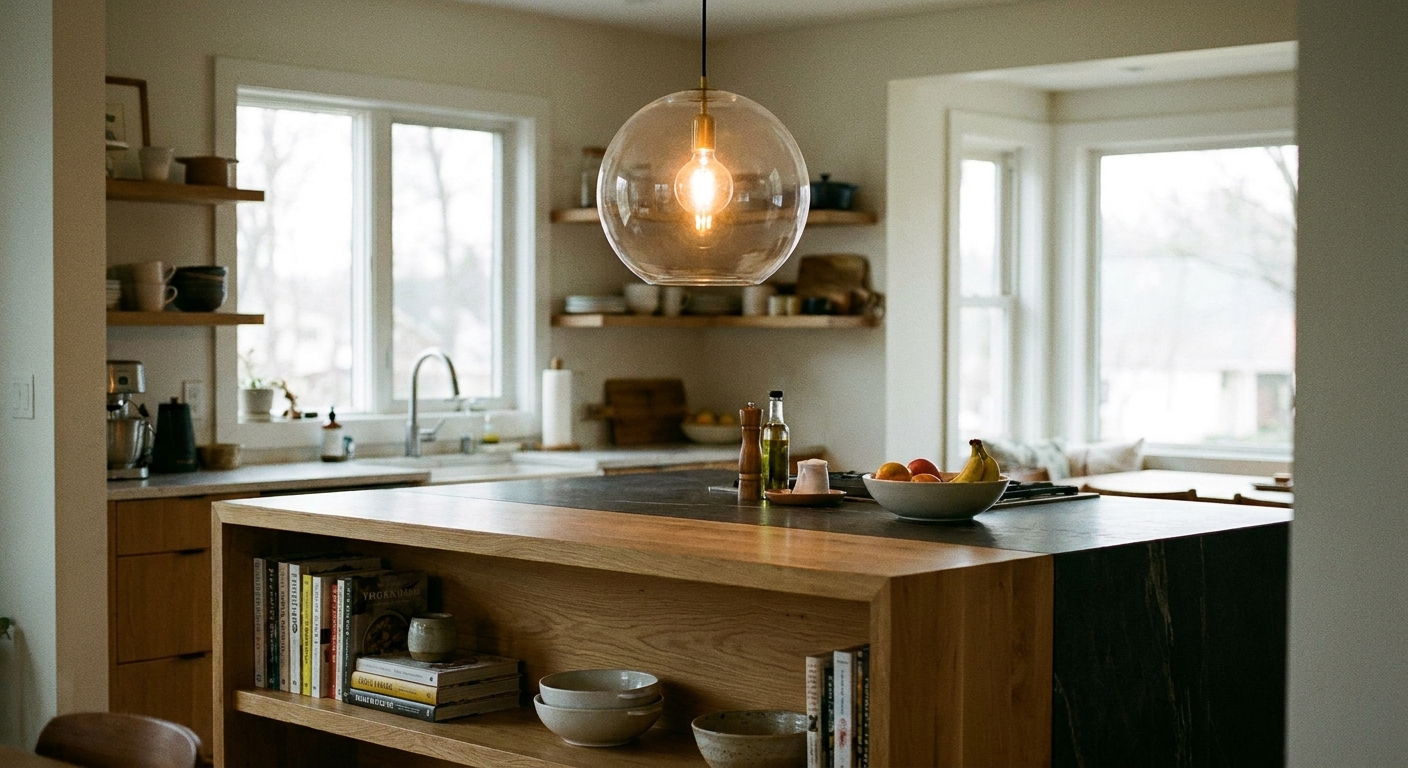
Both finishes can look airy and timeless. The difference is how they handle the bulb and the light itself.
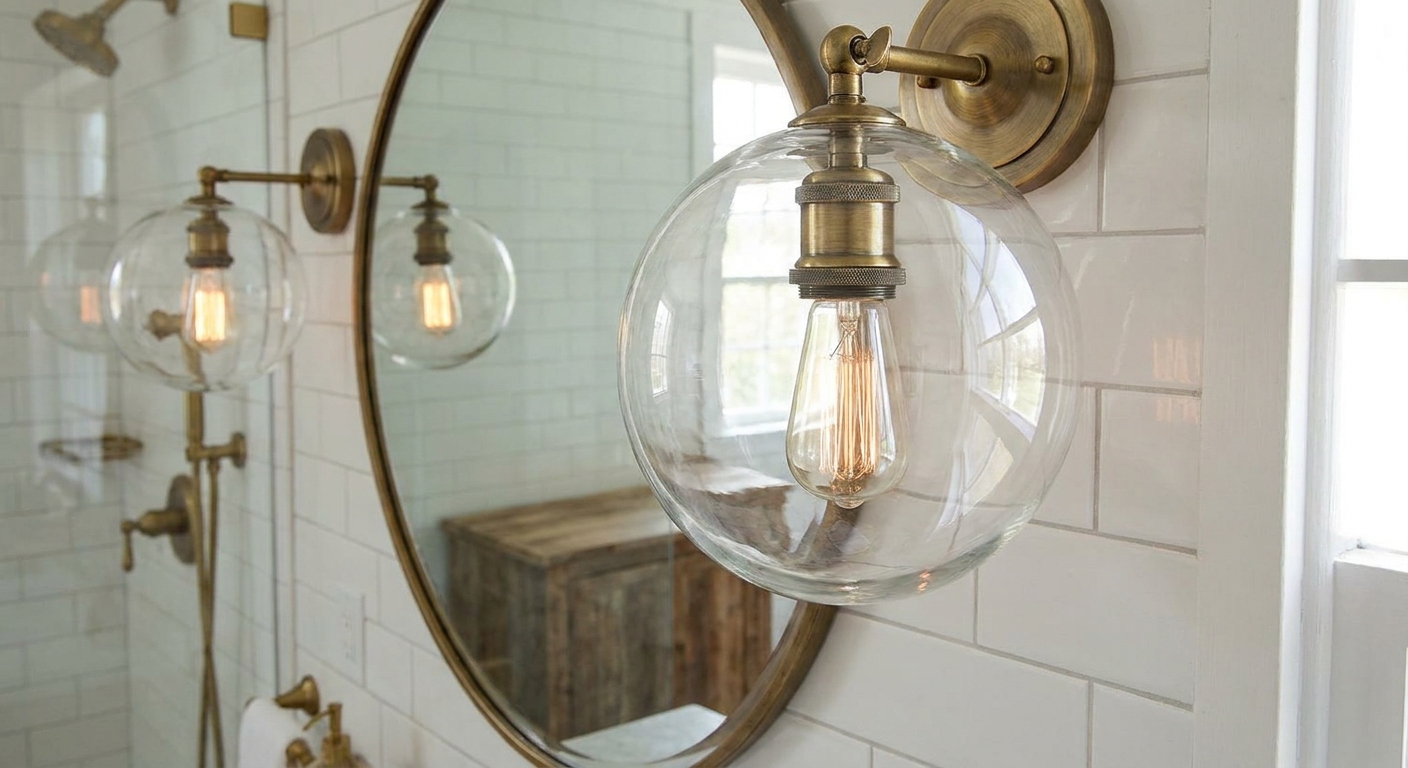
- Clear glass shows the bulb and hardware, feels a bit brighter for the same bulb, and can create more sparkle and more glare.
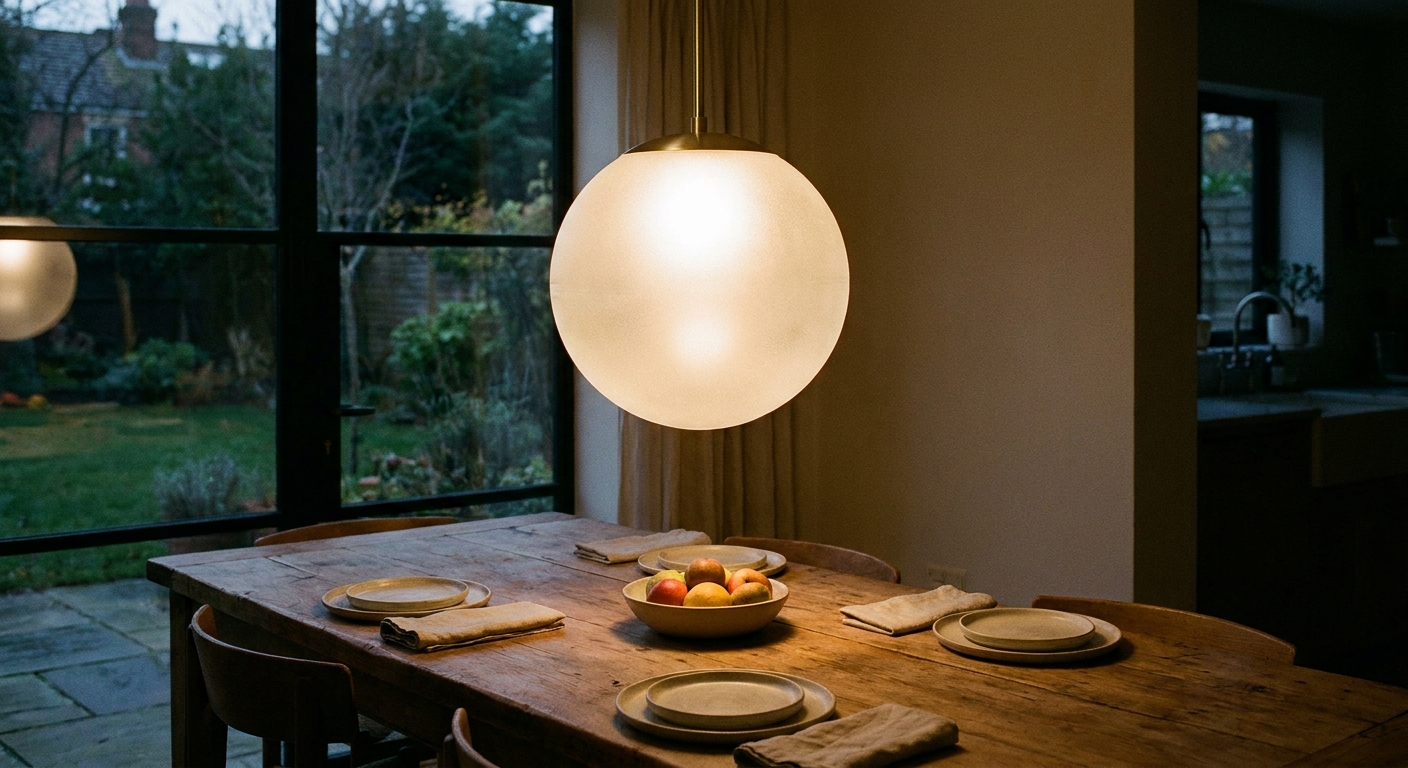
- Frosted (or opal) glass softens the bulb into a gentle glow, hides visual clutter, and reduces glare, but can look slightly dimmer with the same bulb.
Clear glass globes: pros, cons, and best uses
Why clear glass can be a good choice
- More “direct” brightness: Less diffusion means more light reaches the room. Helpful in darker spaces or when you only have one or two fixtures.
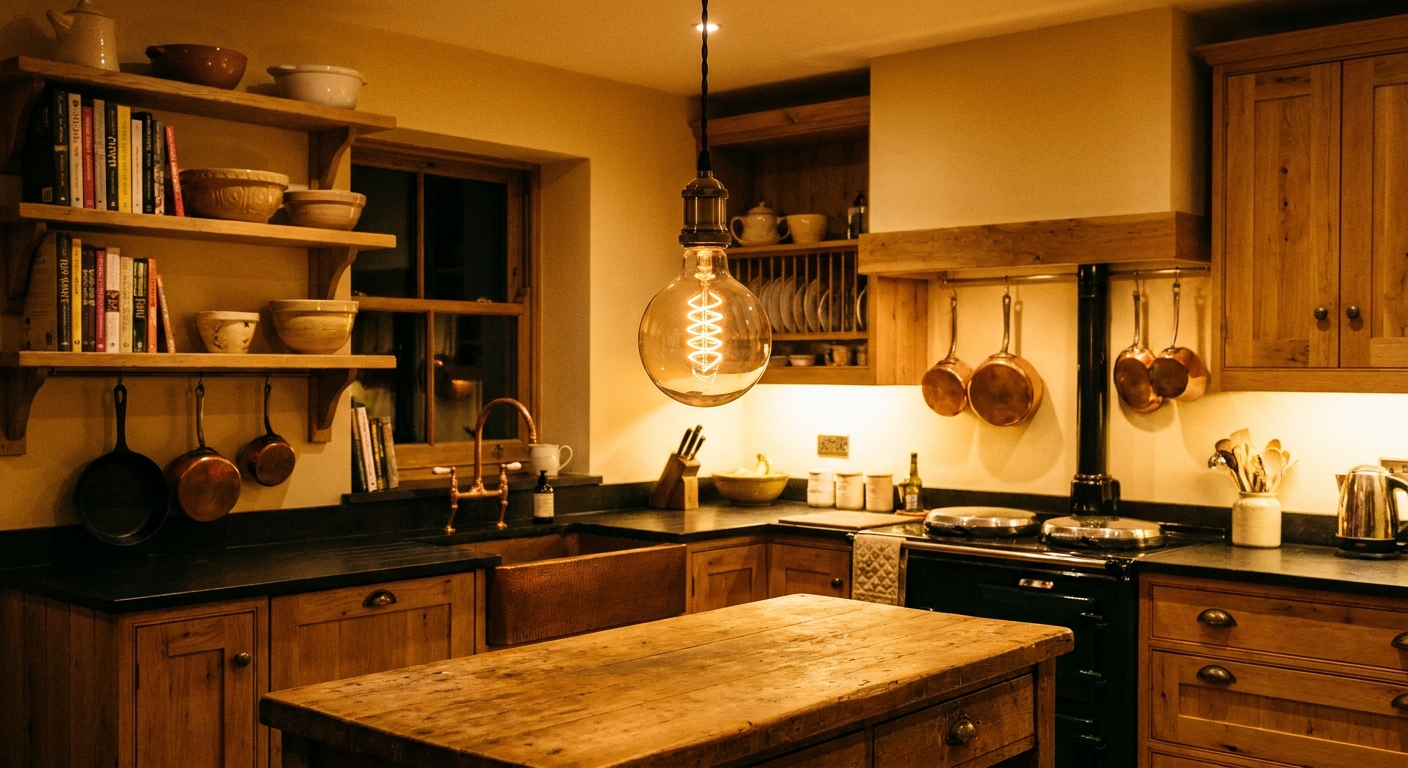
- Decorative bulb becomes part of the look: Great if you love a vintage-inspired LED filament bulb.
- Extra sparkle: Clear globes can add shimmer, especially with warmer bulbs and brass finishes.
Where clear glass can be tricky
- Glare and harsh points of light: If you can see the bulb from eye level, you might get that squinty feeling.
- Every detail is on display: Dust inside the globe, fingerprints, and even a slightly crooked bulb are more noticeable.
- Bulb choice matters a lot: The wrong bulb can look too cold, too bright, or too bare.
Clear glass works especially well in
- Entryways and hallways where you want lively light and the fixture sits above eye level.
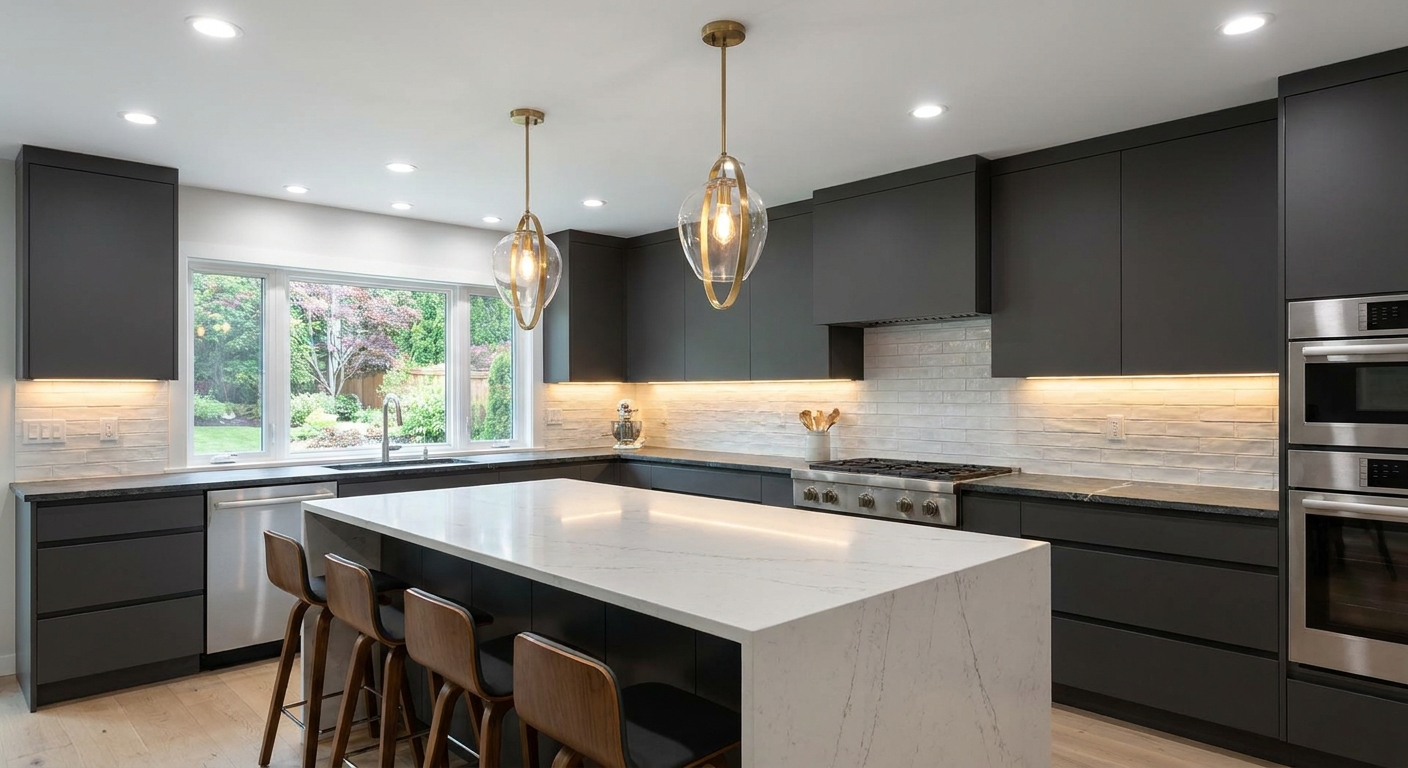
- Kitchens when globes are above an island and you are not staring straight at the bulb.
- Dining areas when you want a bit of twinkle and you will dim them for meals.
Frosted glass globes: pros, cons, and best uses
Why frosted glass is so cozy
- Softer light: Frosting diffuses the bulb so you get a calmer, more even glow.
- Less glare: A big win for vanity lights, bedside sconces, and any fixture near eye level.
- More forgiving visually: You will notice dust and minor bulb imperfections less.
Where frosted glass can be tricky
- Can feel dimmer: Diffusion reduces perceived brightness, so you may need a higher-lumen bulb or an extra layer of light.
- Streaks can show: Some frosted finishes reveal wipe marks if cleaned with the wrong cloth or cleaner.
Frosted glass works especially well in
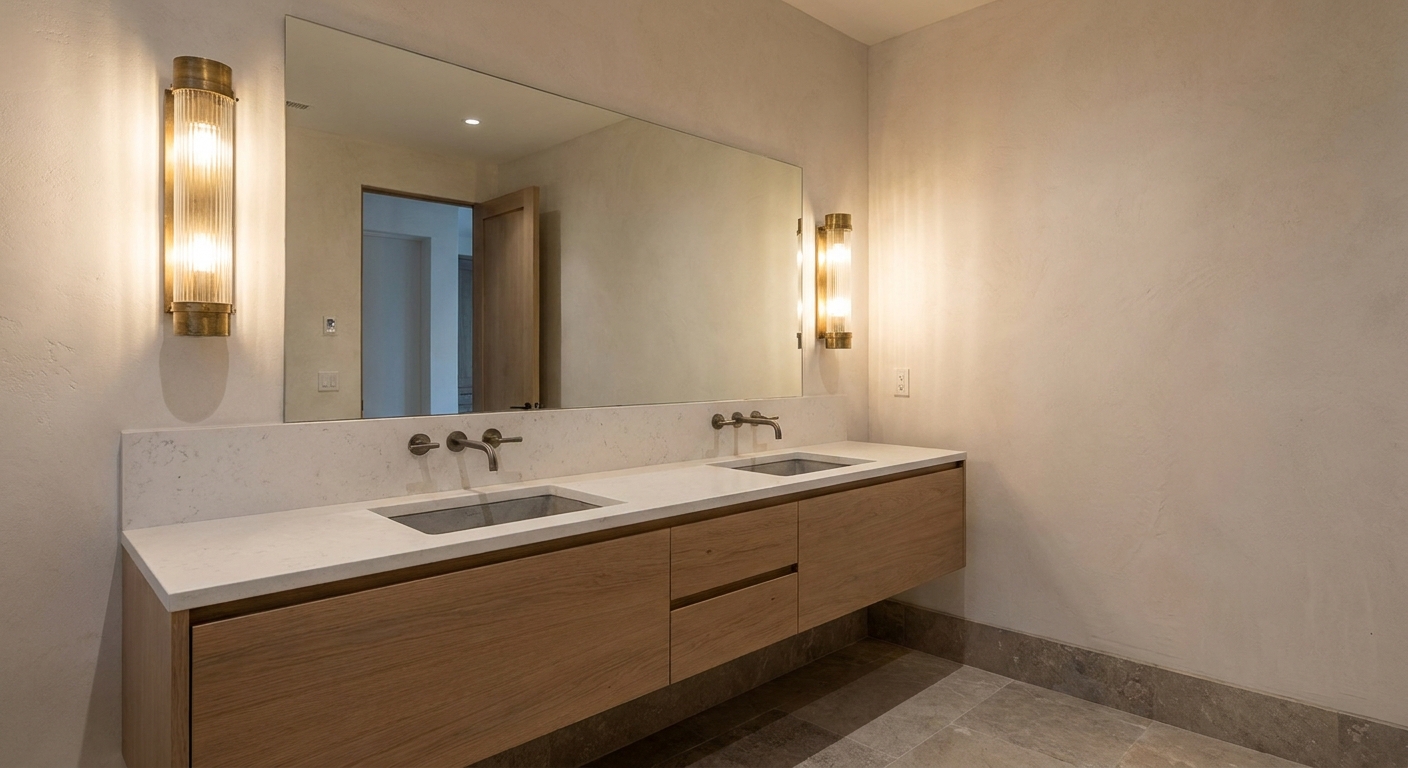
- Bathrooms for flattering, low-glare vanity light. For more help there, visit Best Color Temperature for Bathroom Vanity Lighting.
- Bedrooms where you want gentle light for winding down.
- Living rooms when you want ambient glow without seeing a bright bulb hotspot.
The deciding questions (pick your winner fast)
- Will you see the bulb from where you sit or stand? If yes, choose frosted or use a lower-glare bulb in clear glass.
- Do you want the bulb to be part of the style? If yes, clear glass makes that a feature. If no, frosted hides it.
- Is this your only light source? If yes, clear can help you get more punch, but layering is usually better. Start with Lighting Basics & Education and How to Layer Kitchen Lighting for a smooth plan.
- Are you sensitive to glare? Frosted wins most of the time.
- Do you mind frequent cleaning? Clear glass shows more dust and fingerprints.
Bulb tips that make globe lights look better
Choose warm color temperature first
Glass globes love warm light. In most cozy spaces, 2700K is a reliable starting point. If you prefer an even softer, candlelike feel, try 2200K to 2400K, especially in bedrooms and living rooms.
Match lumens to the globe finish
- Clear globe: You can often use a slightly lower lumen bulb because the light is less diffused. If glare is an issue, lower lumens plus a dimmer can feel magical.
- Frosted globe: Consider going a bit higher on lumens to keep the space bright enough, since the globe will soften and spread that light.
Pick a bulb shape that suits the globe
- Clear globes: A decorative filament-style LED can look charming, but choose one labeled for low glare when possible. For more on that vibe, see LED Edison Bulbs: Vintage Glow Without Glare.
- Frosted globes: Standard LED A-shape bulbs usually look tidy because the globe hides the bulb details anyway.
Use dimming to unlock the cozy range
Globes look best when you can adjust them. If your bulbs are dimmable, make sure the dimmer switch is compatible with LEDs. If you are deciding between smart control options, Smart Bulbs vs. Smart Switches can help you pick the cleanest setup.
Maintenance: keep globes dust-free and streak-free
Glass globes are simple to care for, but a few small habits prevent that dull, hazy look.
Quick dust routine (weekly or every other week)
- Turn the light off and let the glass cool completely.
- Use a dry microfiber cloth or a clean duster to sweep the outside of the globe.
- Do not forget the top: Dust loves to gather where the globe meets the canopy or socket.
Deeper clean (monthly or as needed)
- Start dry, then go damp: Wipe dust away first. Cleaning on top of dust often makes smears.
- Use mild soap and water: A drop of dish soap in warm water is usually enough for fingerprints and kitchen film.
- Rinse and dry well: Follow with a clean damp cloth (plain water) and then a dry microfiber cloth to prevent streaks.
Cleaning the inside (the secret to clear-glass sparkle)
If your globe is open at the bottom, dust can drift inside and settle on the bulb and socket.
- Turn power off at the switch, and if the fixture is hardwired and you are removing the globe, turn off the breaker for extra safety.
- Remove the globe carefully and place it on a soft towel in the sink.
- Wash, rinse, dry: Mild soap, warm water, then dry fully before reinstalling. Moisture trapped inside a globe can leave spots.
- Wipe the bulb too: A dusty bulb looks dimmer and can create uneven light patterns in clear glass.
Streak-free tips for frosted glass
- Use minimal cleaner: Too much liquid can create uneven drying marks on frosted finishes.
- Pat and polish: A gentle wipe, then a light polish with a dry microfiber cloth usually beats vigorous rubbing.
- Avoid abrasive pads: They can burnish or scratch the frosted surface and make shiny patches.
What to avoid on both finishes
- Ammonia-heavy cleaners on delicate coatings or specialty glass.
- Rough paper towels that can leave lint and micro-scratches over time.
- Spraying cleaner directly upward into sockets or around wiring. Spray onto the cloth instead.
Placement notes: pendants vs. sconces
Glass globe pendants
- Clear: Best when hung high enough that the bulb is not in your direct line of sight.
- Frosted: Great for open-plan spaces where you want glow without sparkle and glare.
If you are working out the right hanging height and scale over a table, Sizing a Dining Room Chandelier or Pendant can help.
Glass globe sconces
- Clear: Can look crisp and modern, but consider where eyes land when you walk past.
- Frosted: A cozy default for bedrooms, bathrooms, and hallways because it reduces glare at eye level.
Quick cheat sheet
| Choose this | If you want | Watch out for |
|---|---|---|
| Clear glass globe | Maximum brightness, decorative bulb visibility, sparkle | Glare, visible dust, visible bulb details |
| Frosted glass globe | Soft glow, less glare, a calmer look | Slightly reduced brightness, streaks if cleaned poorly |
FAQ
Do clear globes get dustier than frosted globes?
They do not necessarily collect more dust, but clear glass shows it more, especially inside the globe and around the socket.
Why does my glass globe look cloudy after cleaning?
Usually it is leftover cleaner or minerals from water drying on the surface. Try a second wipe with plain water on a clean cloth, then dry immediately with a microfiber cloth.
Is frosted glass always better for glare?
Most of the time, yes. But you can also reduce glare in clear globes by choosing lower-lumen bulbs, warmer color temperatures, and dimmers.
Can I mix clear and frosted globes in the same room?
Yes, and it can look intentional when each finish matches the job. For example, frosted sconces near eye level and a clear pendant higher up can balance softness and sparkle.
A cozy closing glow
Clear globes are twinkly and bold, frosted globes are soft and soothing. Once you match the finish to glare, brightness, and bulb style, glass globes become that effortless “just right” layer in your lighting plan. Keep them clean with gentle tools and a light touch, and they will shine night after night.
For more fixture style ideas to pair with globe lighting, flutter over to Fixtures & Styles.