Make a ceiling-light-free living room feel warm and bright with layered lighting. Get placement ideas, lumen targets, bulb warmth tips, and easy layouts usin...
Warm Lumen
Choosing the Right Floor Lamp: Arc, Torchiere, and Task Styles

Lumi
Lumi is the friendly little firefly host of Warm Lumen, with a heart that glows as brightly as a perfectly placed pendant lamp. He loves discovering how soft bulbs, warm color temperatures, and layered lighting can transform any dark room into a welcoming retreat. Lumi is always fluttering by to share bright ideas and cheer you on as you create a beautifully lit space.
Published · Last updated
Let’s find the perfect glowing touch for that dim corner, cozy reading chair, or “why is this room so shadowy?” spot. Floor lamps are wonderfully flexible: they can add soft ambient light, aim brightness exactly where you need it, and even stand in for overhead fixtures. The trick is choosing the right style for the job.
Start with the job
Before picking a shape, choose a mission. Floor lamps usually do one of three things:
- Reading and close work: concentrated light on a book, knitting, puzzles, or a laptop.
- Ambient glow: filling a room with comfortable background light, especially in the evenings.
- Corner lift: helping a dark corner feel balanced and welcoming.
Once that’s clear, the style choice gets much easier. If you want a bigger-picture refresher on how different lights work together, visit Lighting Basics & Education.
Arc floor lamps
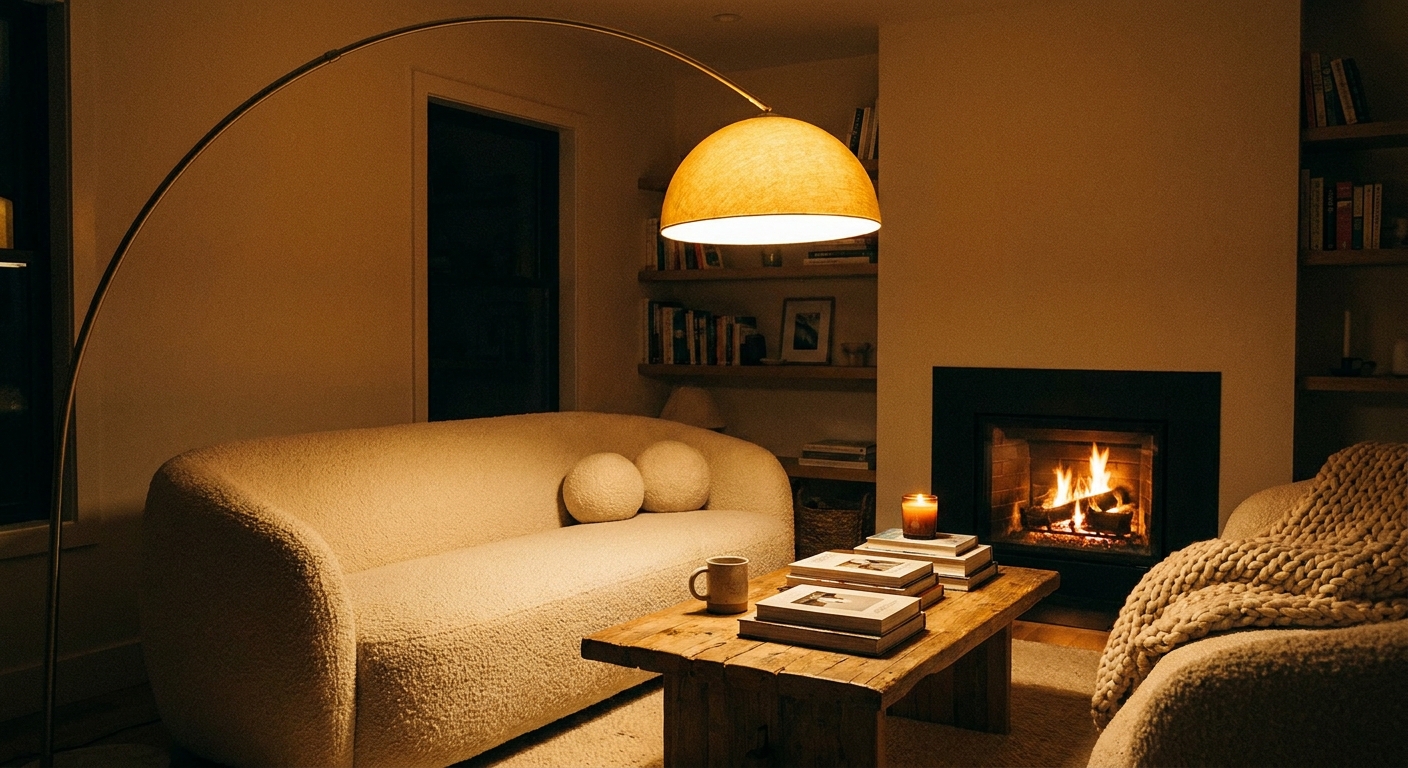
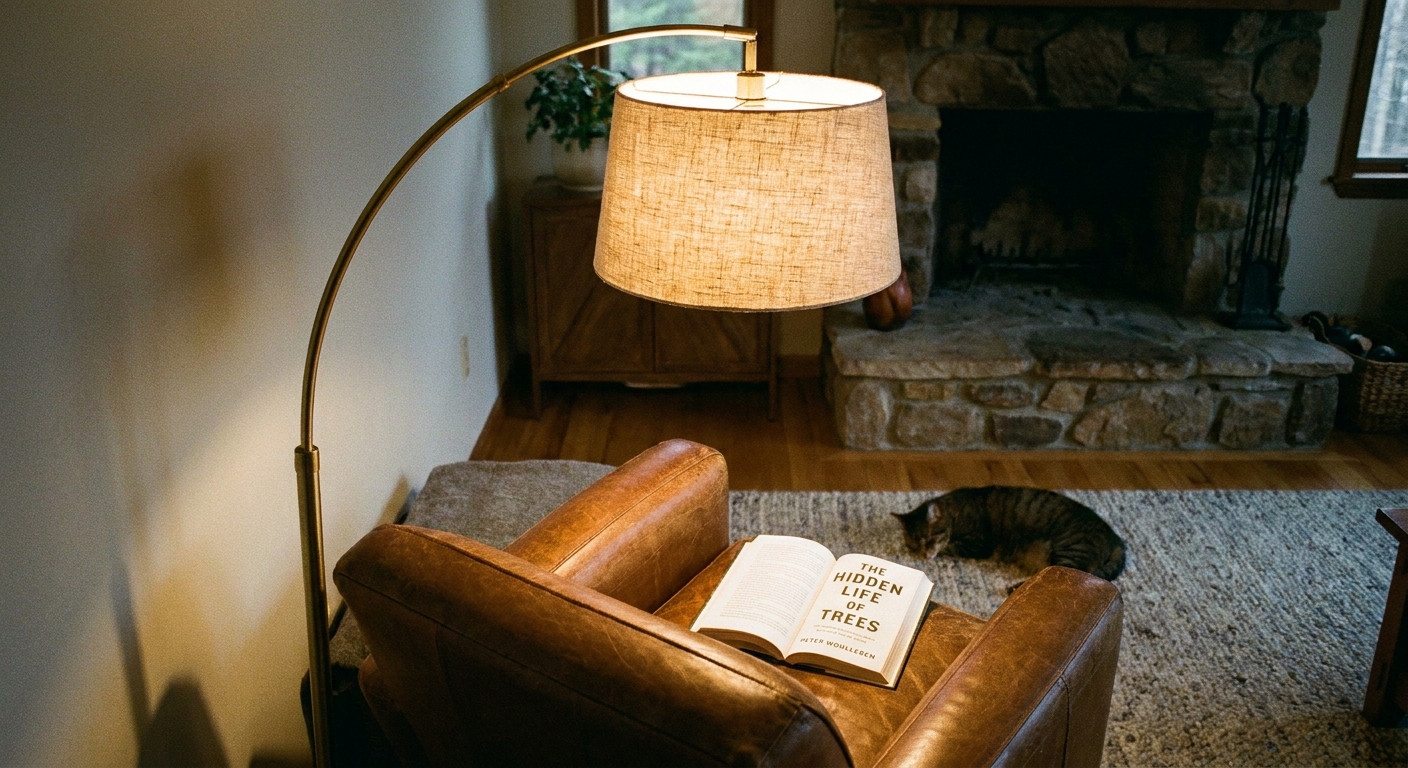
An arc floor lamp has a curved arm that reaches outward, letting the shade hang over a seating area. Think of it like “borrowed overhead light.”
Best for
- Lighting over a sofa or armchair when there’s no ceiling light in the right spot
- Creating a focal point in a living room or open-plan space
- Soft, wide light for conversation areas
Watch-outs
- Footprint: the base is often large and heavy. Measure the area so it won’t block walkways.
- Shade height and reach: you want the shade to hover over the seating area, not poke someone in the head or shine in their eyes.
- Glare: a bare bulb or open-bottom shade can be harsh if it’s right in your line of sight.
How to choose the right arc lamp
- Match the reach to your layout: the shade should land over the cushion area or coffee table area, while the base stays safely out of the traffic path.
- Choose a shade that controls brightness: an opaque or fabric shade feels softer. A reflective metal shade gives a stronger downlight.
- Pick a warm (or warm-clean) bulb: for most living spaces, 2700K to 3000K is cozy without feeling dull. If your room runs very dark or you do lots of detail work there, you may prefer something a little crisper.
Torchiere floor lamps
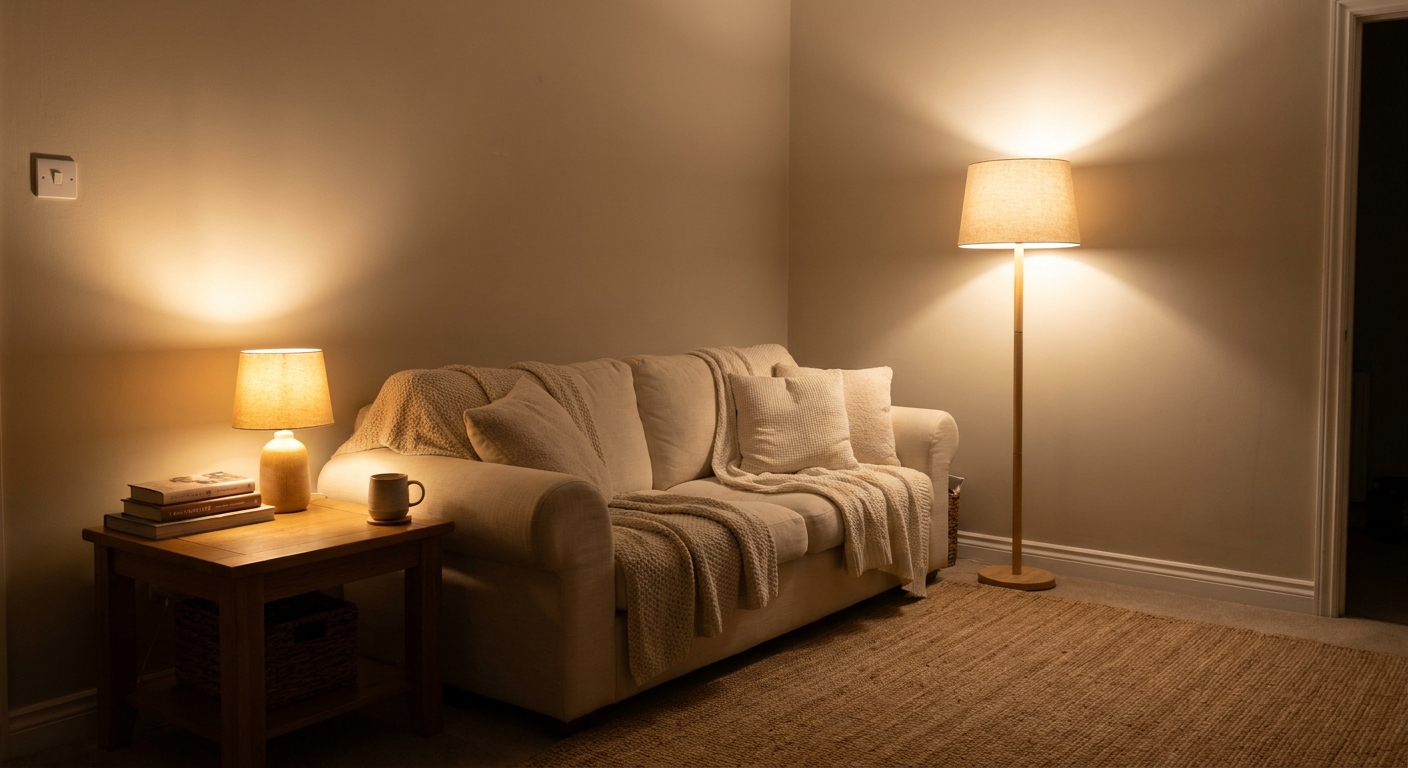
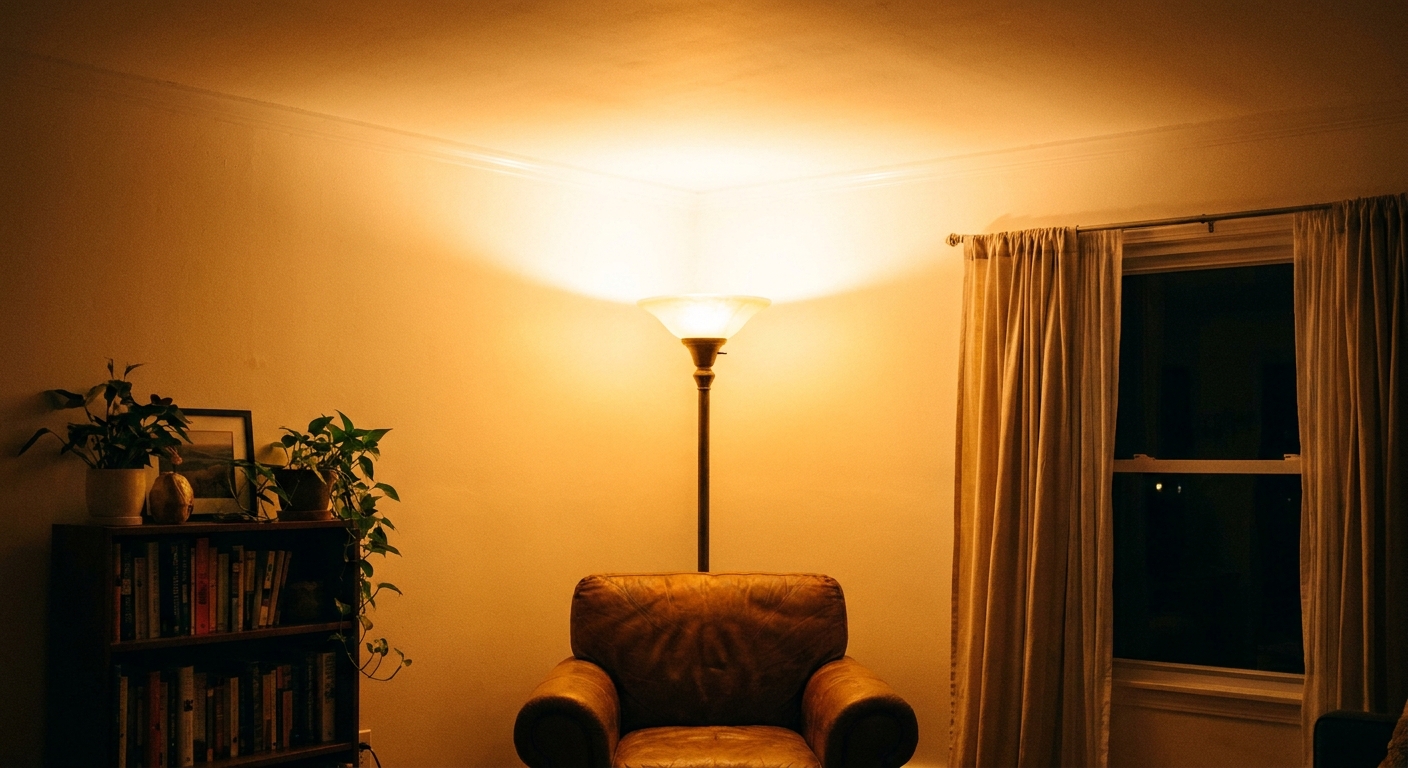
A torchiere points light upward, washing the ceiling with brightness that reflects back into the room. In rooms with light ceilings, this can be one of the quickest ways to make a space feel brighter and more even.
Best for
- General room lighting in living rooms and bedrooms
- Balancing dark corners without adding harsh directional light
- Pairing with table lamps for a layered look
Watch-outs
- Ceiling matters: dark ceilings absorb light. White or light ceilings reflect it beautifully.
- Brightness control: torchieres can get intense. A dimmer or multiple brightness settings are especially helpful.
- Walls can still feel flat: if the ceiling is high, dark, or textured, you might still want a second lamp aimed more outward to bring the walls and corners to life.
- Heat: older halogen torchieres can run extremely hot and are a burn and fire risk. Modern LED torchieres run much cooler and are generally the safer choice.
How to choose the right torchiere
- Look for diffused uplight: a frosted bowl or diffuser softens hotspots on the ceiling.
- Think in lumens: for ambient light, many rooms feel good with a torchiere in the 1,000 to 2,500+ lumens range, depending on room size and ceiling color.
- Keep it warm: 2700K is candle-cozy. 3000K is still warm but a touch crisper.
Task floor lamps
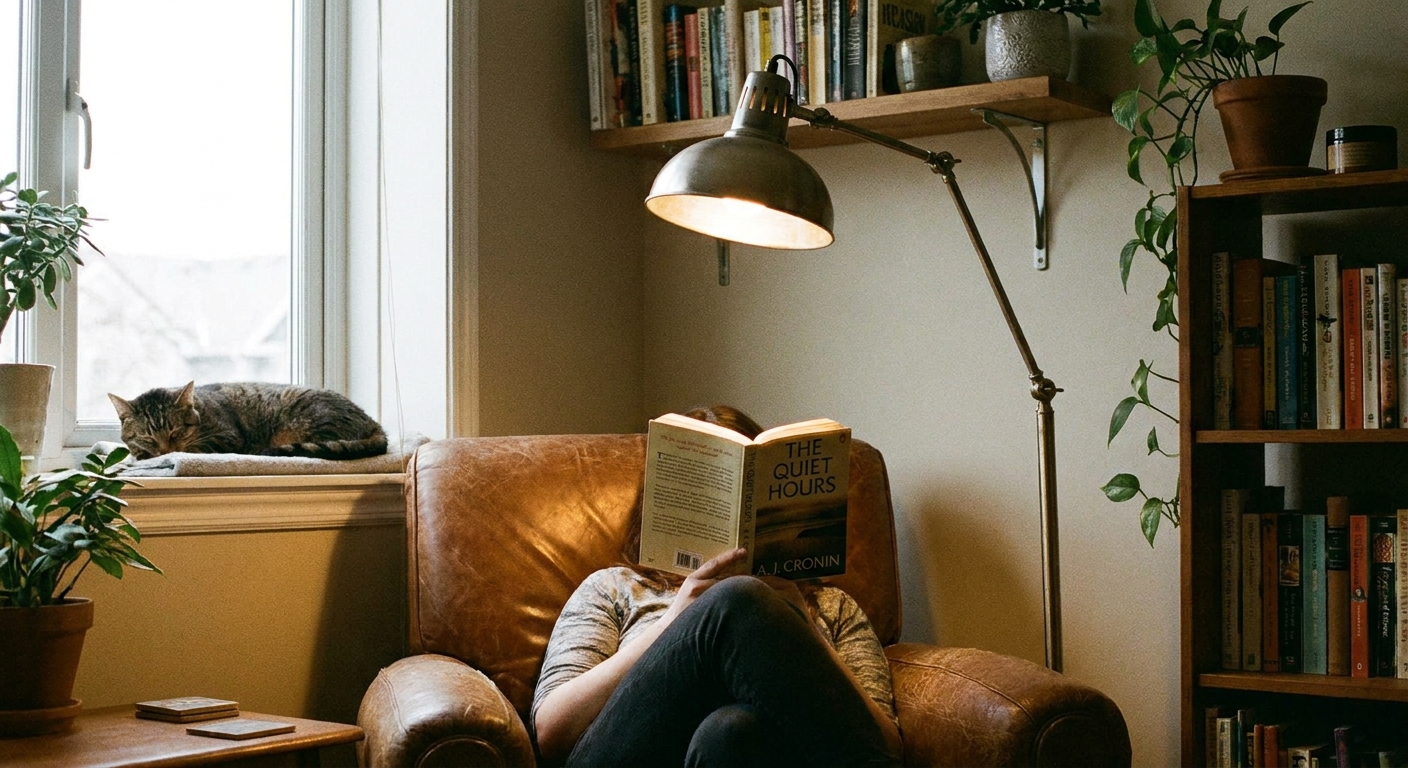
A task floor lamp aims light downward or toward your work area, usually with an adjustable head or arm. This is the style that helps you see details clearly without lighting up the entire room.
Best for
- Reading chairs and bedside seating
- Crafts and hobbies like sewing, puzzles, or model building
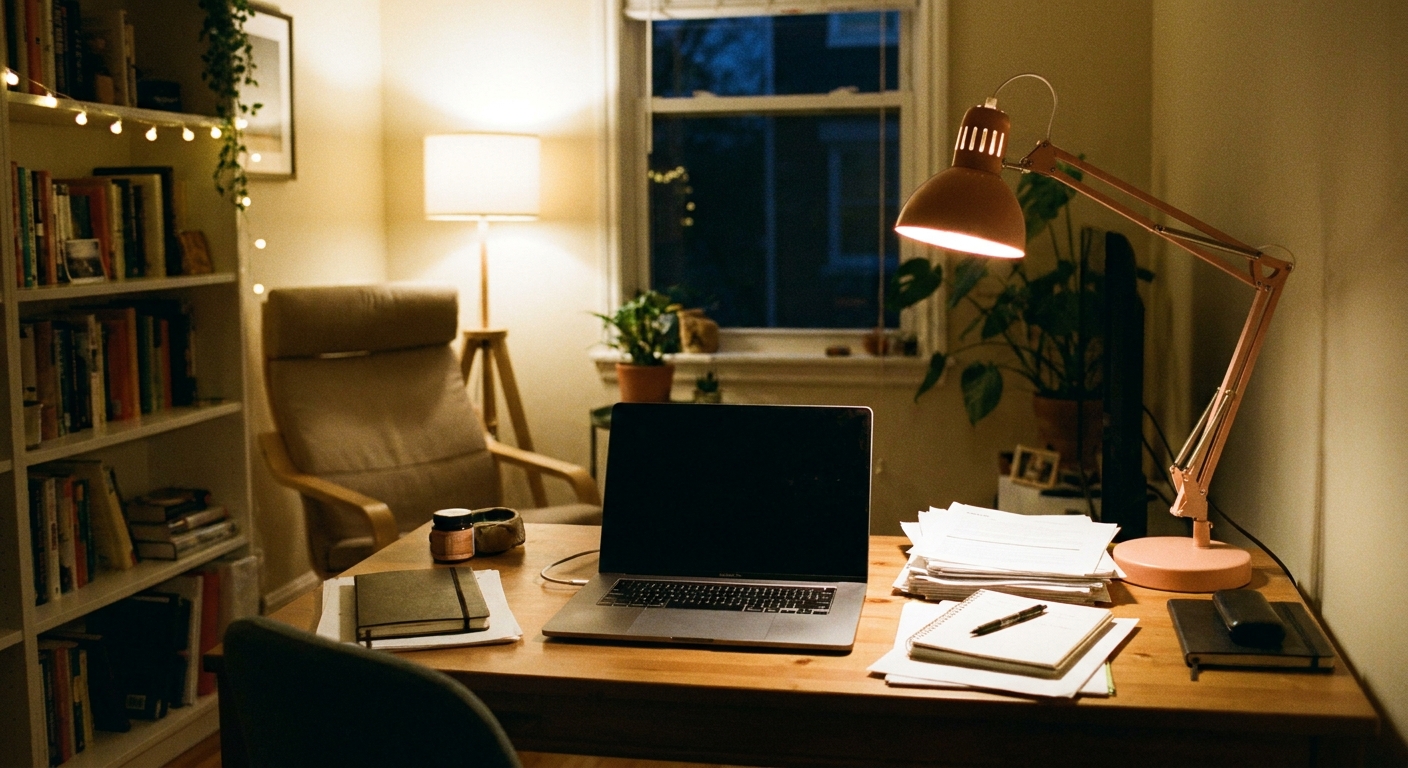
- Home office overflow when your desk lamp is not enough
Watch-outs
- Shadows: if the light is too low or aimed poorly, your hands can cast shadows over your work.
- Glare on screens: angle matters if you are near a monitor or TV.
- Beam intensity: a small shade can feel bright. Aim it carefully and consider a dimmable bulb or built-in dimmer.
How to choose the right task lamp
- Prioritize adjustability: a swiveling head and adjustable height help you avoid eye glare and move the light where you need it.
- Place it to beat shadows: for many people, the most comfortable setup is the lamp slightly behind and to the side of your shoulder, aimed down at the page. If you are right-handed, try placing the lamp slightly left (and vice versa) so your writing hand does not block the light.
- Pick the right warmth for focus: 2700K to 3000K stays comfortable for evening reading. If you want a clearer, more alert feel for task-heavy spaces, some people prefer a bit higher, especially in rooms with cool paint, dark finishes, or limited daylight.
- Use a real lumen target: for reading at a chair, many people like roughly 450 to 800 lumens directed toward the page, depending on shade and distance. If you are doing fine detail work, you may want more.
If you are setting up lighting around a computer, the glare tips in Home Office Lighting Setup can help.
Quick picking guide
- “I have no overhead light above the sofa.” Choose an arc for a ceiling-light effect over seating.
- “This room feels dim and flat.” Choose a torchiere to bounce light around the space, especially if your ceiling is light.
- “I need light on my book, not the whole room.” Choose a task floor lamp with an adjustable head.
- “My corner looks like a cave.” Start with a torchiere or a shaded arc, then add a small table lamp nearby if needed to give the walls some love.
The details that matter
1) Height and shade position
- Task lamps: the light often works best when the source is above shoulder level and aimed down at the page or work surface, but comfort wins. A slightly lower, well-shaded lamp placed just behind or beside you can also reduce shadows.
- Arc lamps: position the shade so it illuminates the seating area without shining directly into eyes.
- Torchieres: taller can be better, especially with higher ceilings, but check that the bowl aims light up rather than out.
2) Brightness, warmth, and color quality
- Look for lumens on the package to judge brightness.
- Warmth (Kelvin): 2700K is cozy-warm, 3000K is warm-clean. Both are great for living spaces. Room finishes and personal preference matter, so treat these as friendly starting points, not law.
- Color quality: if you care about true-to-life colors in art, textiles, or decor, look for a bulb with CRI 90+.
3) Dimmers, switches, and flicker
- Dimmers are a glow-maker’s best friend for torchieres and arcs, where a small change can shift the whole room mood.
- LED dimming compatibility: not every LED bulb plays nicely with every dimmer. If you notice shimmer, buzzing, or jumpy dimming, try a different dimmable bulb or a lamp with a built-in dimmer designed for LEDs.
- Switch placement: foot switches are convenient, but make sure the cord route will not become a tripping path.
4) Bulb base and lamp compatibility
- Check the socket type: many floor lamps use a standard medium screw base, but some use smaller bases or an integrated LED that cannot be replaced like a bulb.
- Respect the max rating: lamps list a maximum wattage (or LED equivalent) for safety and heat control.
- Integrated LED pros and cons: they are often efficient and slim, but you are committing to the built-in light color and output. A standard socket gives you more freedom to tweak the glow later.
5) Shade details for comfort
- Open-bottom shades can throw more light onto a book, but may create more glare if the bulb is visible.
- Bottom diffusers (a simple frosted disk) soften the beam and can feel easier on the eyes in a living room.
6) Safety and stability
- Base weight matters, especially for arc lamps with long reaches.
- Cord management: run cords along walls and behind furniture when possible.
- Heat check: avoid placing any lamp shade or hot bulb close to curtains or bedding, and be extra cautious with older halogen torchieres.
If you are lighting a hallway or other high-traffic path, the safety-first ideas in Hallway and Staircase Lighting translate nicely to lamp placement too.
Common hybrids
You may also run into a few mashups while shopping. They can be great, as long as you know what you are trading for.
- Torchiere with a reading arm: the uplight handles ambient glow, and the little side arm helps with reading. It is a handy two-in-one, but the reading arm can look visually busy in a minimalist room.
- Tree or multi-head floor lamps: multiple adjustable heads can light several spots at once. Great for apartments and rooms without overhead fixtures, but they can feel cluttered if the room is already full of decor.
Where each style shines
Living room
- Arc over a sectional corner or reading spot
- Torchiere behind a sofa for a soft overall wash
- Task next to a single favorite chair
For rooms without a ceiling fixture, layering lamps is the secret glow sauce. Living Room Lighting Without Overhead Fixtures has a helpful roadmap.
Bedroom
- Task near a chair or bedside reading spot
- Torchiere if you want gentle ambient light while keeping the room calm
Choosing bedside lighting is its own cozy art. See Bedside Lighting: Lamps vs Sconces vs Pendants for more options.
Home office
- Task lighting for paperwork and detail work
- Torchiere to reduce cave-like shadows behind you during video calls
Floor lamp FAQ
Is a torchiere good for reading?
It can be, but it is not the most efficient choice. Torchieres spread light broadly, so the page may still feel a bit dim. For dedicated reading, a task lamp aimed at the book is usually more comfortable.
Do arc lamps provide enough light for a whole room?
Arc lamps can add a lot of usable light over seating, but most rooms still feel best with layered lighting, meaning an arc plus another lamp (or two) so light comes from multiple directions.
What color temperature should a floor lamp be?
For most living spaces, 2700K to 3000K is a warm, welcoming range. For task-heavy areas, some people prefer a slightly higher Kelvin for a clearer feel, especially if the room has dark finishes. Your eyes and your walls get a vote.
How do you avoid glare from a floor lamp?
- Use a shade or diffuser rather than an exposed bulb.
- Aim task lights down and slightly forward, not straight at eye level.
- Choose a dimmer to fine-tune brightness for the time of day.
Final glow-check
If you want one simple rule: task lamps are for seeing details, torchieres are for lifting the whole room, and arc lamps are for placing “overhead-style” light exactly where you gather. Pick the style that matches the job, choose a bulb that suits your room and your eyes, and your space will feel like it’s exhaling into a softer, friendlier light.
If you want to browse more fixture choices, visit Fixtures & Styles.