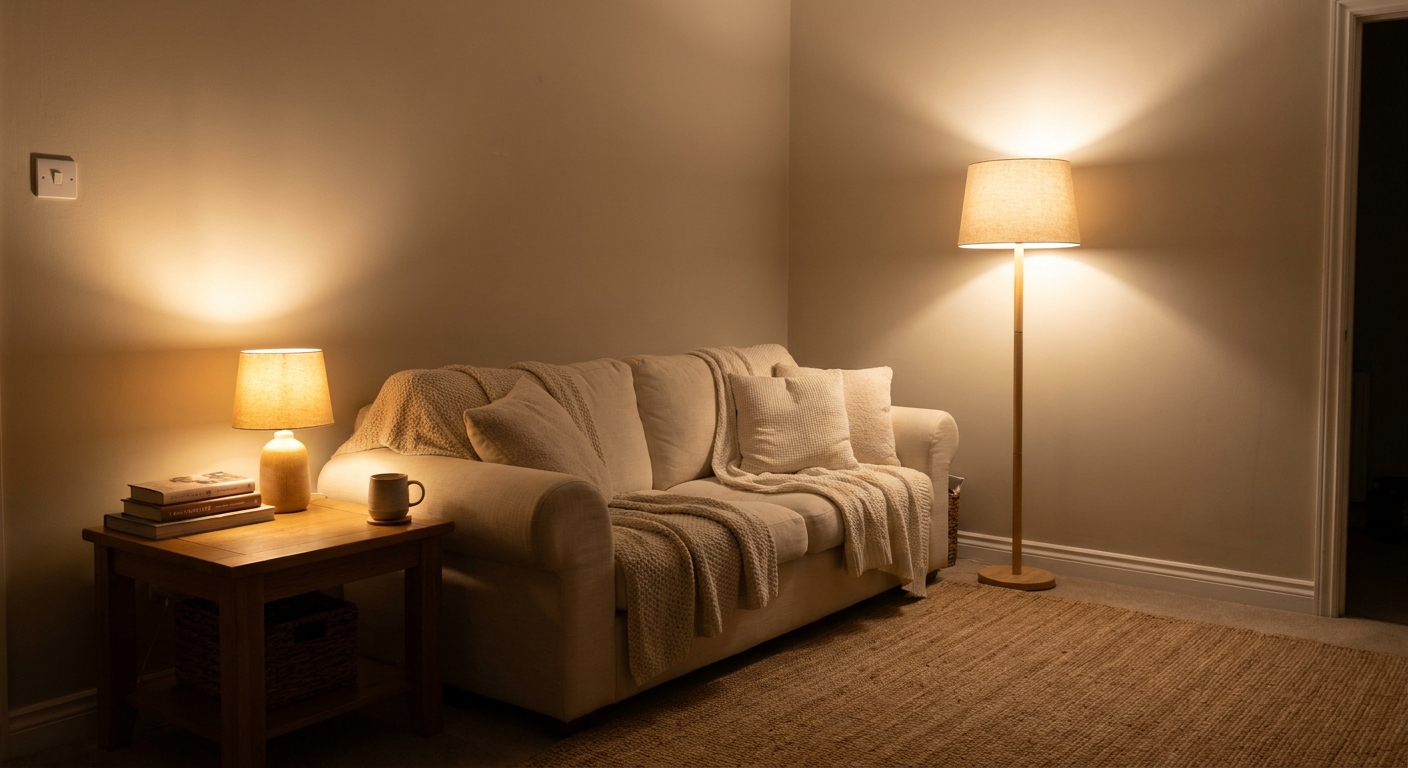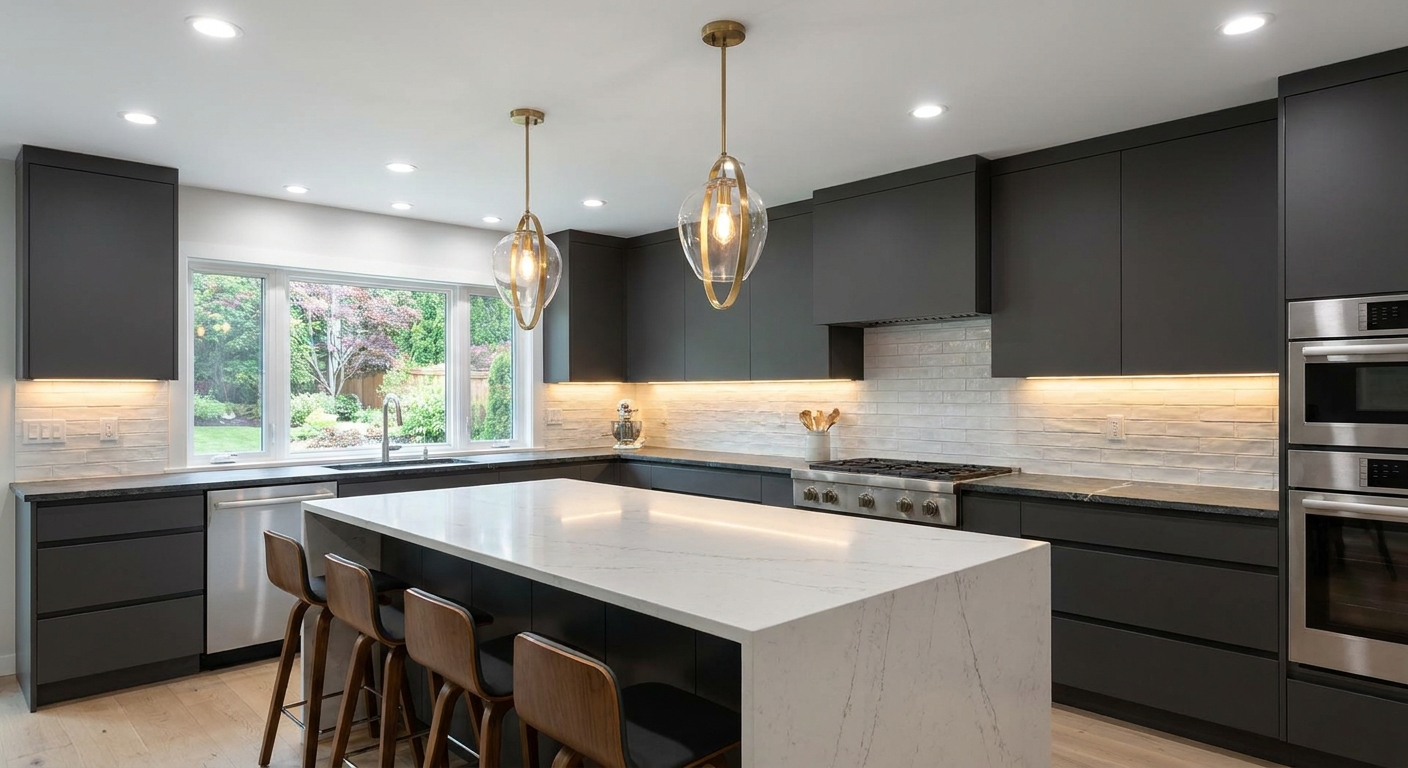
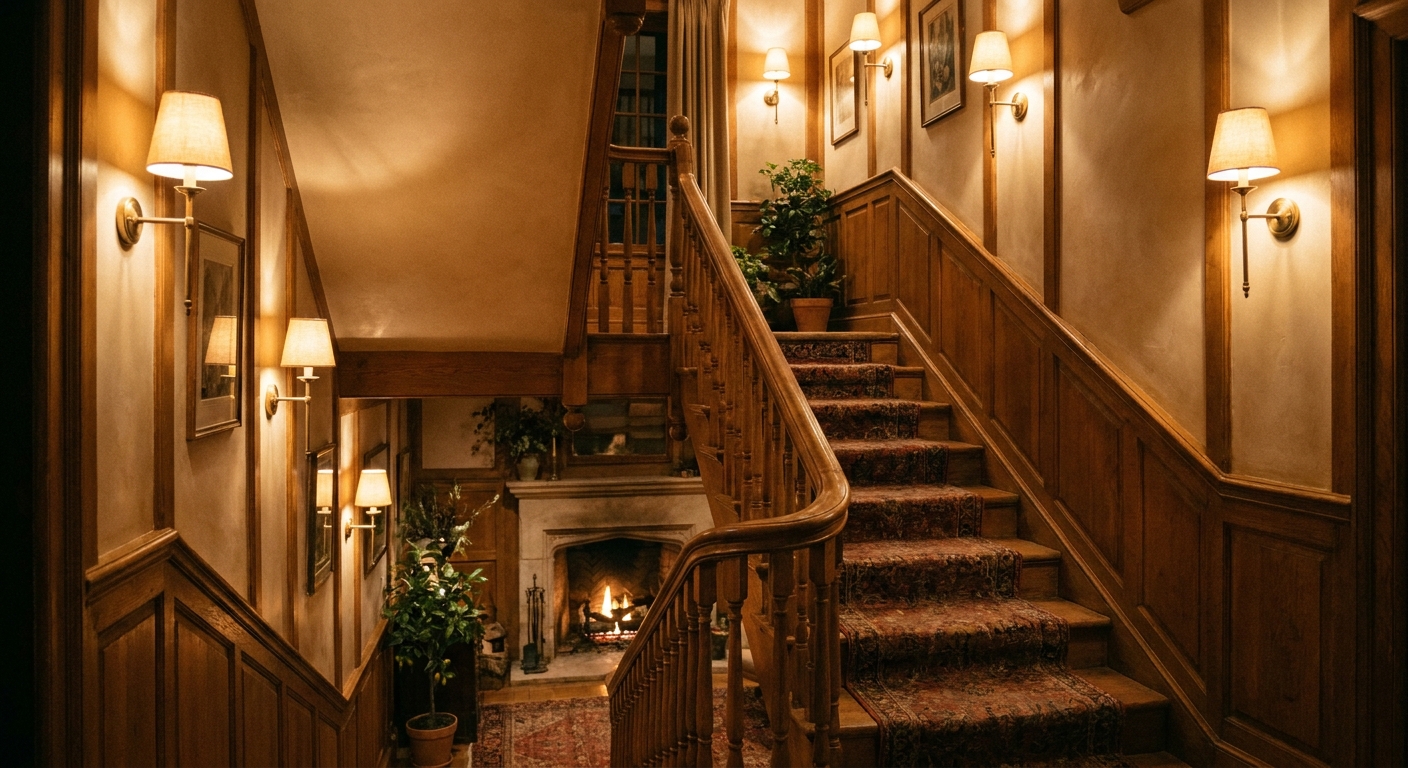
Light hallways and stairs with confidence: a simple layering plan (glow, guide, highlight), plus sconce height tips, step lighting ideas, warm 2700–3000K bul...
Warm Lumen
Smart Bulbs vs. Smart Switches

Lumi
Lumi is the friendly little firefly host of Warm Lumen, with a heart that glows as brightly as a perfectly placed pendant lamp. He loves discovering how soft bulbs, warm color temperatures, and layered lighting can transform any dark room into a welcoming retreat. Lumi is always fluttering by to share bright ideas and cheer you on as you create a beautifully lit space.
Published
Let’s find the perfect glowing touch for every corner of your home. If you are ready to automate your lights, the big question usually flutters in first: should you start with smart bulbs or smart wall switches?
Both can make lighting feel magical, but they shine in different situations. Below is a clear, room-friendly breakdown of features, costs, limitations, and the best “starter path” for most homes.
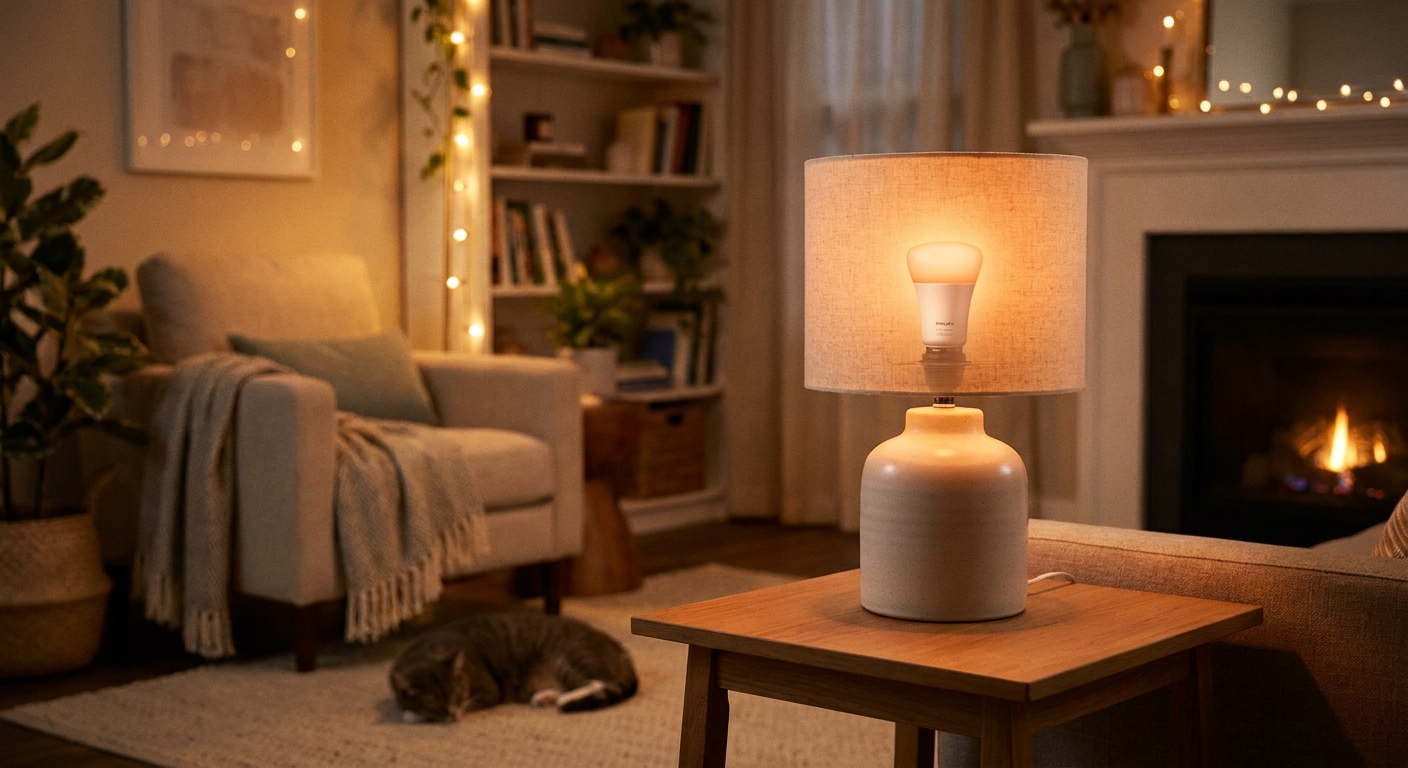
Smart bulbs vs. smart switches in one quick snapshot
| Feature | Smart Bulbs | Smart Switches |
|---|---|---|
| Best for | Lamps, a few key fixtures, renters, color effects | Whole rooms, shared households, ceiling lights, simple reliability |
| Control | App, voice, automations, sometimes a remote | Physical wall control plus app, voice, automations |
| Dimming | Yes, built-in (usually smooth) | Yes, but depends on switch type and bulbs used |
| Color changing | Often available (RGB and tunable white) | Not by itself (switch controls power level, not color) |
| If someone flips the wall switch off | Bulb goes offline and loses smart control | Not an issue in the same way, because the switch is the control point |
| Upfront cost | Lower for 1 to 3 lights | Lower per light once controlling many bulbs on one circuit |
| Installation | Easy screw-in | Electrical work at the wall box, neutral wire may be needed |
| Compatibility pitfalls | Enclosed fixtures heat limits, odd bulb bases, existing dimmers | Multi-way circuits, no-neutral boxes, incompatible bulb types |
How smart bulbs work (and where they sparkle)
A smart bulb is an LED bulb with built-in electronics and a radio (often Wi-Fi, Bluetooth, Zigbee, or in some models Thread via Matter). If a bulb uses Thread, it typically needs a Thread border router in the home to connect reliably.
You control a smart bulb through an app or voice assistant, and it can run schedules and scenes.
Smart bulb strengths
- Fast upgrade with no wiring. Twist out the old bulb, twist in the new one.
- Color and mood control. Many smart bulbs offer tunable white (warm to cool) or full color for parties, movie nights, or gentle night lighting.
- Great for lamps and accent lighting. Perfect when the light source plugs into an outlet and is not tied to a wall switch.
- Per-bulb control. You can dim one bulb while another stays bright, even in the same room.
Smart bulb tradeoffs
- The wall switch problem. If someone turns off power at the wall, the bulb cannot respond to app or voice commands until power is restored.
- Cost adds up in multi-bulb fixtures. A chandelier with 6 bulbs can get pricey quickly.
- Heat and enclosure limits. Some smart bulbs are not rated for fully enclosed fixtures, which can shorten lifespan and cause flicker or shutdown. Always check bulb ratings.
- Mixed usability for guests. Visitors may not know the “rules” about keeping the switch on.
One more helpful nuance: many smart bulbs let you choose a power-on behavior in the app, like “always on,” “restore last state,” or “always off.” That setting can make smart bulbs feel much more natural day to day.
If you love layered lighting, smart bulbs can be a sweet way to build scenes. For more on layering, visit How to Layer Kitchen Lighting. The principles work in any room.
How smart switches work (and why they feel simple)
A smart switch replaces the wall switch and controls the power sent to a light circuit. Think of it as making the wall control smarter rather than making each bulb smarter.
Smart switch strengths
- Natural for everyone. The wall control works the way people expect, which is a big win for families and guests.
- One device can control many bulbs. Great for recessed lights, multi-bulb ceiling fixtures, and rooms where you want consistent behavior.
- Cleaner look. No need for extra remotes if you want a tidy wall setup.
- Reliable day to day. Even when app control is acting up, the physical switch is still there.
Smart switch tradeoffs
- Installation can be complex. Some switches require a neutral wire in the wall box. Older homes may not have one in every box. There are also no-neutral smart switch options, but requirements and performance vary by setup.
- Multi-way circuits need planning. Hallways and staircases often use 3-way or 4-way switching, which may require a companion switch or specific model.
- No color control by itself. A switch can dim or schedule, but it cannot change a regular bulb from warm to cool or to blue. For that, you need smart bulbs or smart fixtures.
- Special cases can be tricky. Ceiling fans with light kits and some older wiring layouts (like switch loops) may need extra care when choosing a smart switch.
If you are thinking about safety and predictable control in transitional spaces, smart switches are especially appealing in hallways and staircases. This pairs nicely with Hallway and Staircase Lighting Ideas for Safety and Style.
Cost breakdown: which is cheaper?
Costs vary a lot by brand and features, but here is the pattern that matters most:
When smart bulbs are cheaper
- You are upgrading 1 to 3 lamps or a small number of fixtures.
- You want tunable white or color scenes without changing the wall switch.
- You are in a rental or you do not want electrical work.
When smart switches are cheaper
- You have 4+ bulbs on one switch (like recessed cans or a multi-bulb ceiling fixture).
- You want whole-room control and consistent behavior for everyone.
- You plan to automate frequently used spaces like kitchens, hallways, and laundry rooms.
A simple rule of thumb: If you are controlling many bulbs together, a switch often wins on cost. If you want individual control or color, bulbs often win on features.
Dimming, flicker, and compatibility
This is where smart lighting choices can feel a little fussy, so here is the friendly version.
Smart bulbs and dimming
- Smart bulbs typically dim smoothly because the dimming happens inside the bulb electronics.
- They usually prefer steady power. Pairing a smart bulb with a traditional dimmer can cause flicker, buzzing, or weird behavior.
Smart switches and dimming
- A smart dimmer switch changes the power delivered to the bulbs. Your bulbs must be dimmable and ideally compatible with that style of dimming.
- If you are using LEDs, compatibility matters. Some LEDs flicker or drop out at low levels on certain dimmers.
Tip: If “perfect dimming” is your top priority for a cozy living room, smart bulbs can be the smoother path. If you want “normal wall control for a whole room,” a smart dimmer switch is usually worth it, just choose bulbs carefully.
For more cozy warmth guidance, Warm Lumen’s color temperature notes can help you pick the right vibe. Start with Lighting Basics & Education and explore from there.
Reliability and the internet question
Many smart lighting systems can still do something useful if your internet goes down, but it depends on how they are built.
- Local control: Smart switches almost always keep physical on/off control at the wall. Smart bulbs still respond to power, and some can be controlled locally if you are using a hub and local automations.
- Cloud dependence: Some Wi-Fi and cloud-based products may lose app control, voice control, or automations when the internet is down.
- Hubs and scale: If you plan to add lots of devices, hub-based systems (Zigbee, Thread, or similar) can feel steadier and can reduce the load on your Wi-Fi router.
If your goal is “lights should always work like lights,” switches tend to feel steadier. If your goal is “lighting scenes and colors on demand,” bulbs tend to feel more fun and flexible.
The best choice by room
Living room
- Choose smart bulbs for table lamps, floor lamps, picture lights, and accent lighting zones.
- Choose smart switches for overhead fixtures that everyone uses.
If you are working around a room without overhead lights, smart bulbs in plug-in lamps can be a game-changer. See Living Room Lighting Without Overhead Fixtures.
Kitchen
- Smart switches are usually the hero for ceiling lights and under-cabinet circuits, because you want predictable, whole-room control.
- Smart bulbs can still be lovely in glass-front cabinets or accent pendants if you want dim scenes.
Bedroom
- Smart bulbs are great for bedside lamps and gentle night routines, especially with warm dimming and schedules.
- Smart switches can be useful if the ceiling light is the main source and you want easy wall control for everyone.
Bedside decision details live here: Bedside Lighting: Lamps vs. Sconces vs. Pendants.
Bathroom
- Smart switches are often better for vanity and overhead lighting because wall control is straightforward.
- Smart bulbs can be helpful for a nightlight-like low setting, but only if the fixture and damp-location ratings allow it.
For flattering vanity light color, visit Best Color Temperature for Bathroom Vanity Lighting.
Hallways and stairs
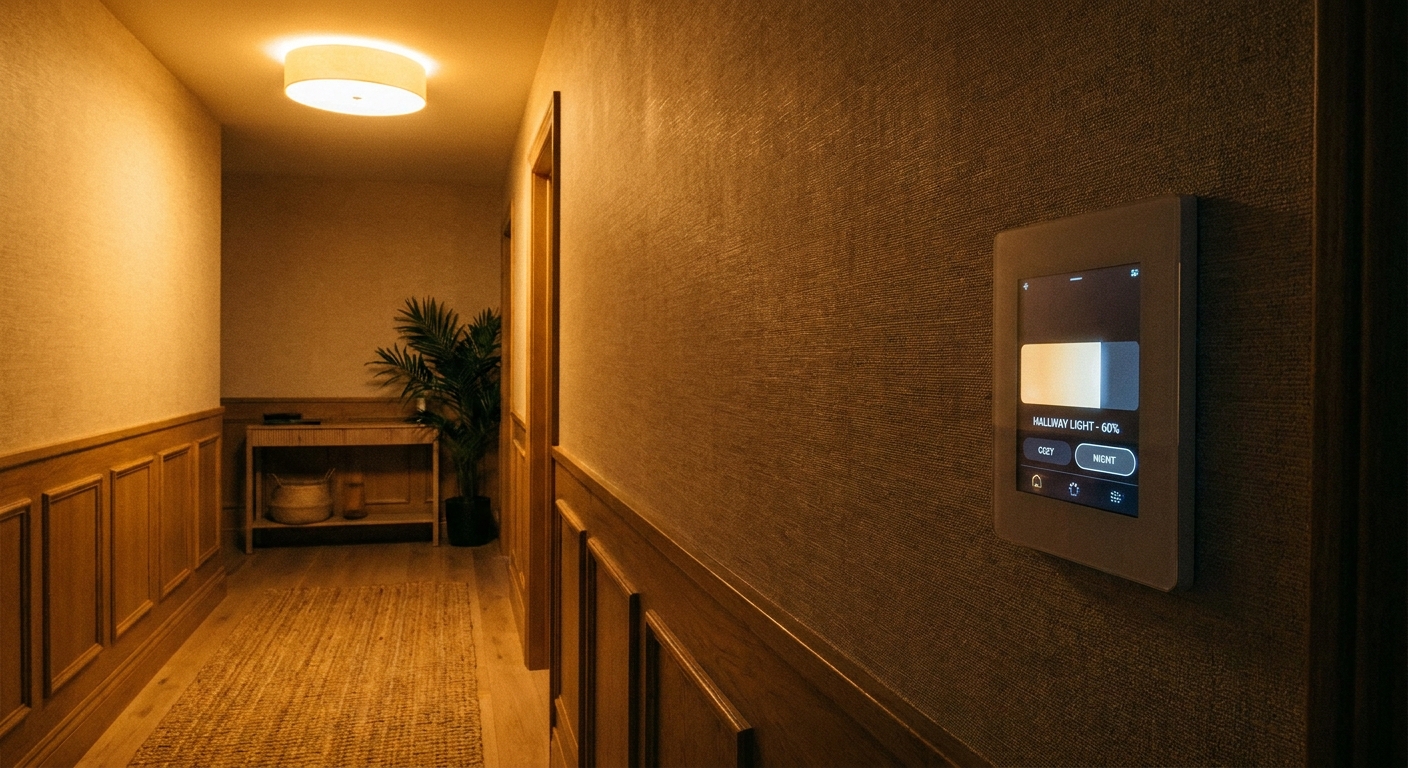
- Smart switches shine here, especially for schedules, motion automation, and multi-way control done correctly.
Home office
- Smart bulbs help tune brightness and color temperature through the day, especially in desk lamps.
- Smart switches help if you want “one tap” control for the whole office.
Glare control pairs nicely with smart dimming. See Home Office Lighting Setup to Reduce Screen Glare and Eye Strain.
Common setups that work wonderfully
Setup A: Smart bulbs in lamps, regular switch for the ceiling
This is a gentle first step. You get cozy scenes without rewiring anything, and the overhead light stays simple for guests.
Setup B: Smart switch for the room, regular bulbs everywhere
This is the most “it just works” approach. Great for kitchens, hallways, and rooms with multiple recessed lights.
Setup C: Smart switch plus smart bulbs (use carefully)
This can be amazing, but only when planned.
- If a smart switch cuts power to smart bulbs, the bulbs lose connectivity.
- If you want a wall control but still want smart-bulb scenes, look for a scene controller or smart remote that does not cut power, or reserve smart bulbs for lamps and fixtures that stay powered.
Practical tip: The easiest way to avoid conflicts is to use smart switches for hardwired ceiling circuits and smart bulbs for plug-in lamps.
What to check before you buy
If you are leaning smart bulbs
- Bulb base and shape: A19, BR30, candelabra, GU10, and so on.
- Enclosed fixture rating: Important for flush mounts and some outdoor-rated fixtures.
- White vs color: Tunable white is often enough for daily life. Color is fun if you will actually use it.
- Connection type: Wi-Fi bulbs are simple, but if you plan to add many devices, hub-based systems can scale more gracefully.
If you are leaning smart switches
- Neutral wire: Check your wall box. Some smart switches require it, while others are designed for no-neutral setups.
- Single pole vs 3-way: Confirm whether the circuit is controlled from one location or multiple.
- Bulb type on the circuit: LED compatibility matters for dimming performance.
- Faceplate fit: Some smart switches use Decora-style plates.
Safety note: If you install a switch yourself, turn off power at the breaker and confirm it is off before touching wiring. If anything looks unfamiliar, an electrician is the coziest shortcut.
If you want more approachable upgrade ideas that do not feel intimidating, flutter over to DIY & Easy Upgrades.
So which upgrade is best?
Here’s the simplest, most useful answer:
- Choose smart bulbs if you want color and scenes, you are upgrading lamps or a few fixtures, or you want the easiest install.
- Choose smart switches if you want whole-room control, you have many bulbs on one circuit, or you want lighting that feels intuitive for everyone.
If you are building a comfortable automated home over time, a blended approach usually glows the nicest: switches for ceilings, bulbs for lamps. Layered lighting is happier lighting.
For more lighting inspiration by style and fixture choices, explore Fixtures & Styles.
FAQ
Can I use a smart bulb with a regular dimmer switch?
It is usually not recommended. Many smart bulbs expect steady power and can flicker or behave oddly on traditional dimmers. If you want wall dimming, use a smart dimmer with compatible dimmable LED bulbs, or use smart bulbs and keep the wall control as a simple on/off switch.
Do smart switches work with any bulb?
For basic on/off, many do. For dimming, the bulb must be dimmable and play nicely with the dimmer design. LED compatibility is the most common hiccup.
What is the biggest “hidden” downside of smart bulbs?
The wall switch getting turned off. If the bulb loses power, it cannot respond to smart commands. This is why smart bulbs often feel best in plug-in lamps or fixtures that stay powered.
What is the biggest “hidden” downside of smart switches?
Wiring realities. Neutral-wire requirements, no-neutral limitations, and multi-way circuits can complicate installation choices, especially in older homes.