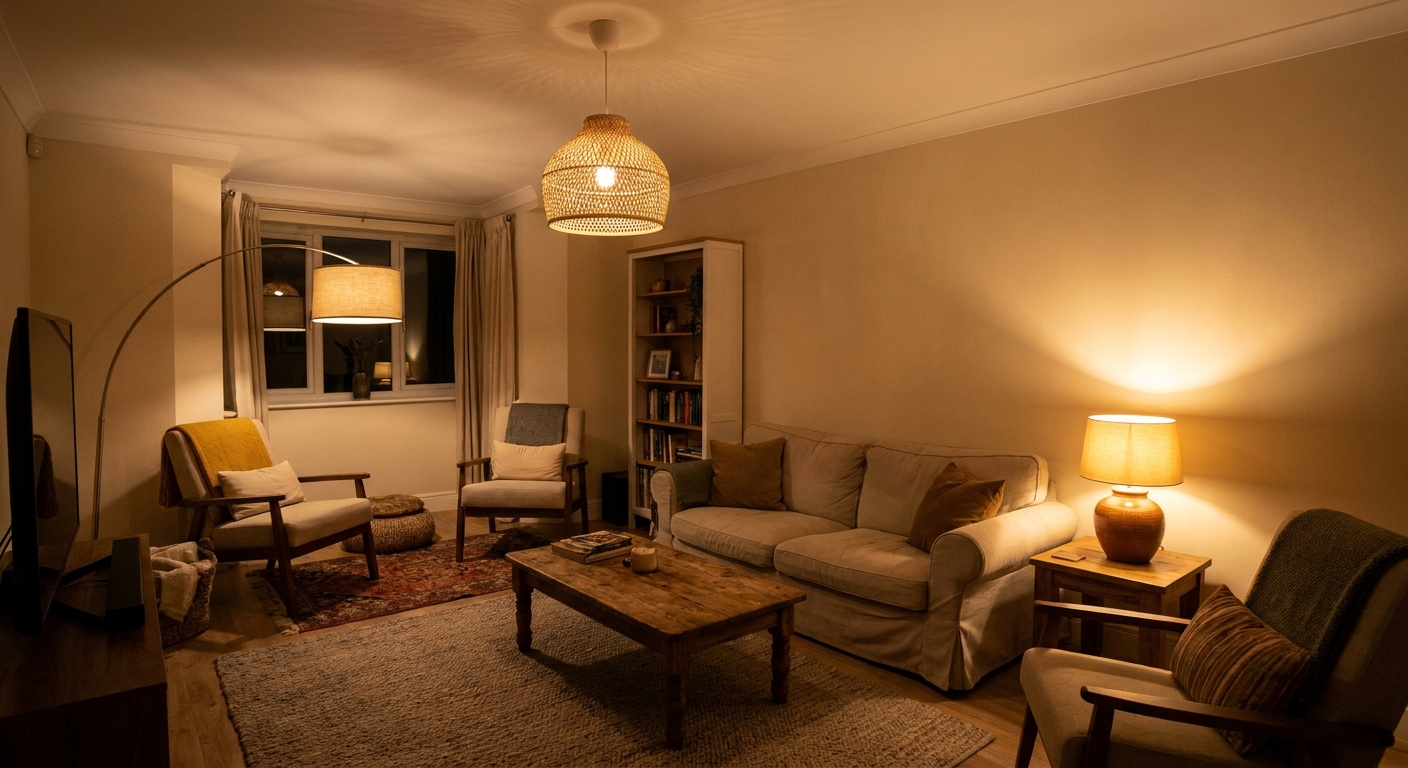
Stop guessing your lighting. Use a simple foot-candle × square footage formula to find total lumens, then split them into ambient, task, and accent layers wi...
Warm Lumen
Choosing the Right Lampshade

Lumi
Lumi is the friendly little firefly host of Warm Lumen, with a heart that glows as brightly as a perfectly placed pendant lamp. He loves discovering how soft bulbs, warm color temperatures, and layered lighting can transform any dark room into a welcoming retreat. Lumi is always fluttering by to share bright ideas and cheer you on as you create a beautifully lit space.
Published
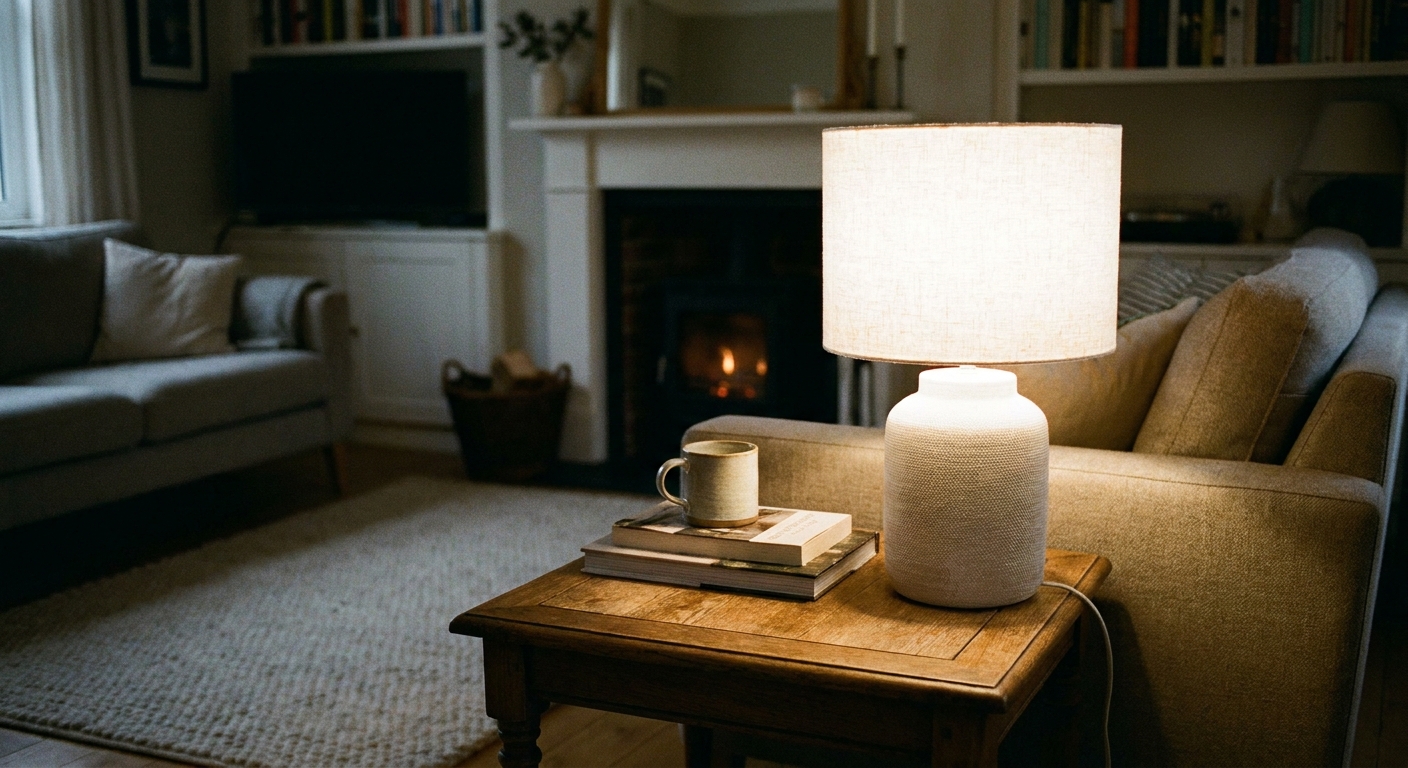
Let’s find the right glowing touch for every corner of your home. A lampshade may look like a simple finishing detail, but it quietly controls three big things: how bright your lamp feels, where the light goes, and whether the bulb looks cozy or glaring. This guide will help you choose the right size, shape, and material so your table and floor lamps feel balanced and shine with a warm, welcoming glow.
Start with the job
Before measuring anything, decide what kind of light you need. Shade choices that feel perfect for ambiance can feel disappointing for reading, and vice versa.
- Reading or tasks: look for a shade that sends a good amount of light down onto a book, keyboard, or chair, and controls glare at eye level.
- Ambient glow: prioritize a shade that diffuses light softly into the room, without showing the bulb as a harsh hotspot.
- Accent and mood: consider darker or textured materials that create a calmer pool of light, especially when paired with warm bulbs and dimmers.
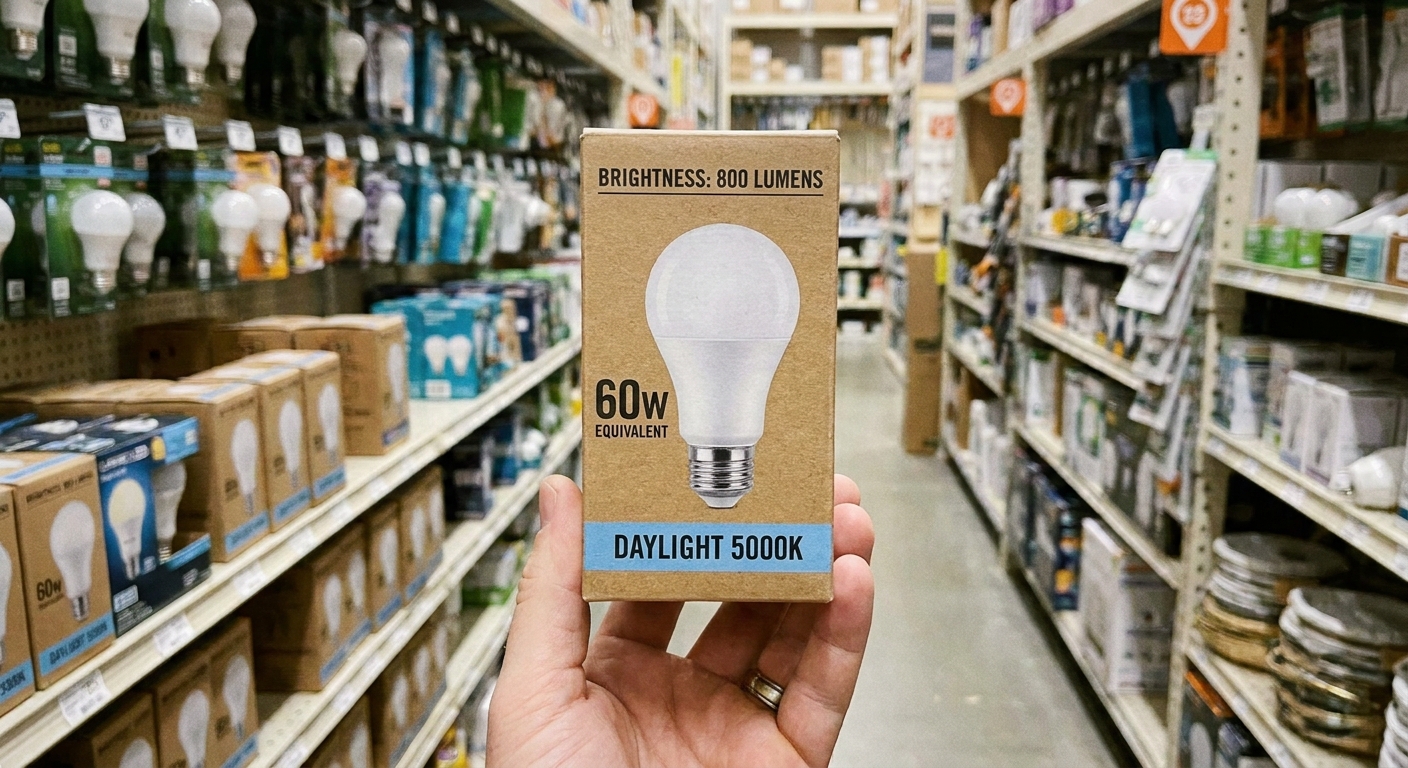
If you also want to fine-tune brightness, calculating the right lumens is a helpful companion step. Shade choices can soften or concentrate light, but the bulb still sets the ceiling on brightness.
Lampshade sizing
Most lampshade headaches come from one of two problems: the shade is too small (the lamp looks top-heavy and the bulb glares) or too large (it swallows the base and blocks useful light). The guidelines below are common starting points, then you can adjust based on how heavy the base looks and how you use the lamp.
Rule 1: Match shade width to the base
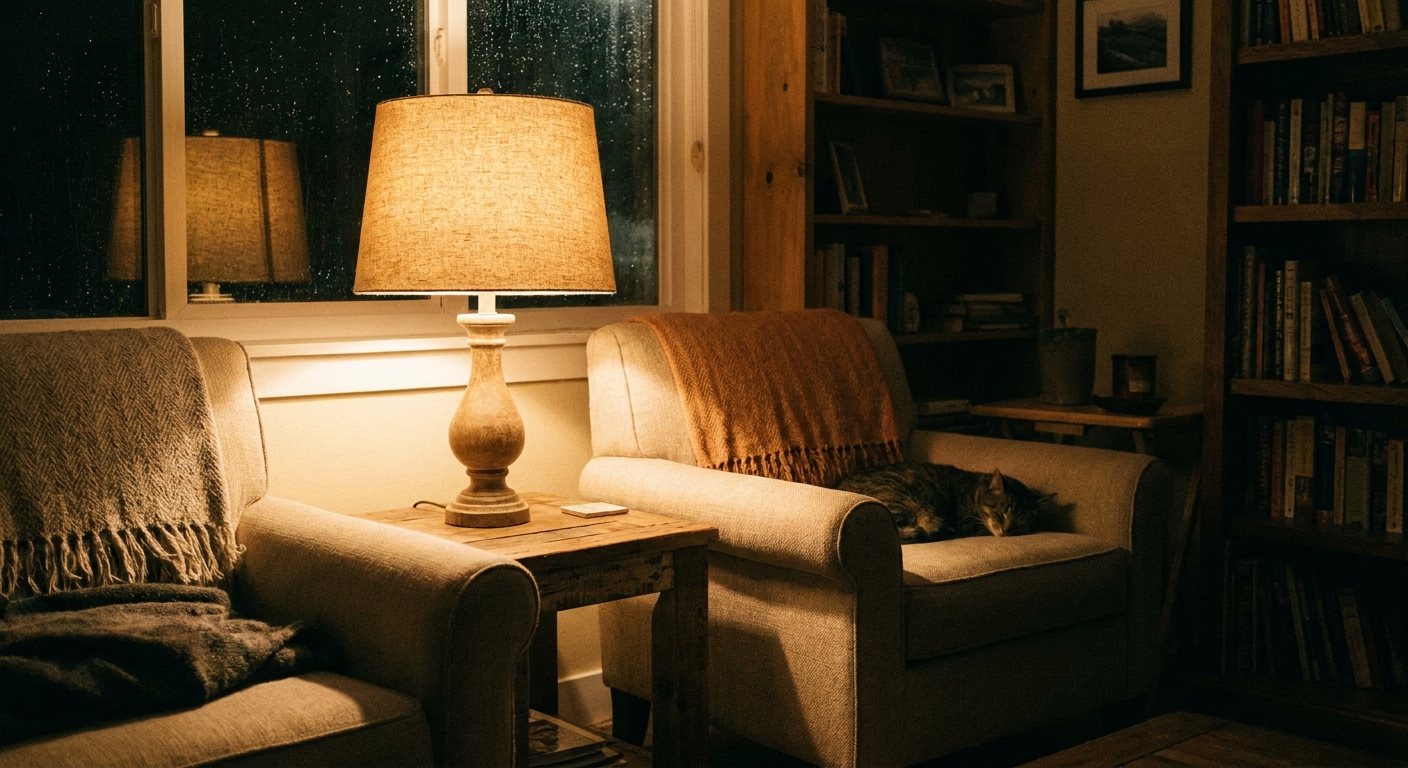
Good starting point: the shade’s bottom diameter is about the same width as the widest part of the lamp base, or up to about 2 inches wider.
- Too narrow: the base looks oversized, and you are more likely to see the bright bulb from across the room.
- Too wide: the lamp can look squat, and the shade may overhang the table edge in tight spaces.
Rule 2: Balance shade height with overall height
A reliable proportion is: shade height is about one-third of the lamp’s overall height. For measuring purposes, think of overall height as from the table or floor to the top edge of the shade (not the finial).
- For table lamps: a slightly taller shade can feel more relaxed and updated, while a shorter shade can feel crisp and traditional.
- For floor lamps: taller shades often look more intentional and help reduce glare at standing eye level.
Rule 3: Hide the socket and shield the bulb
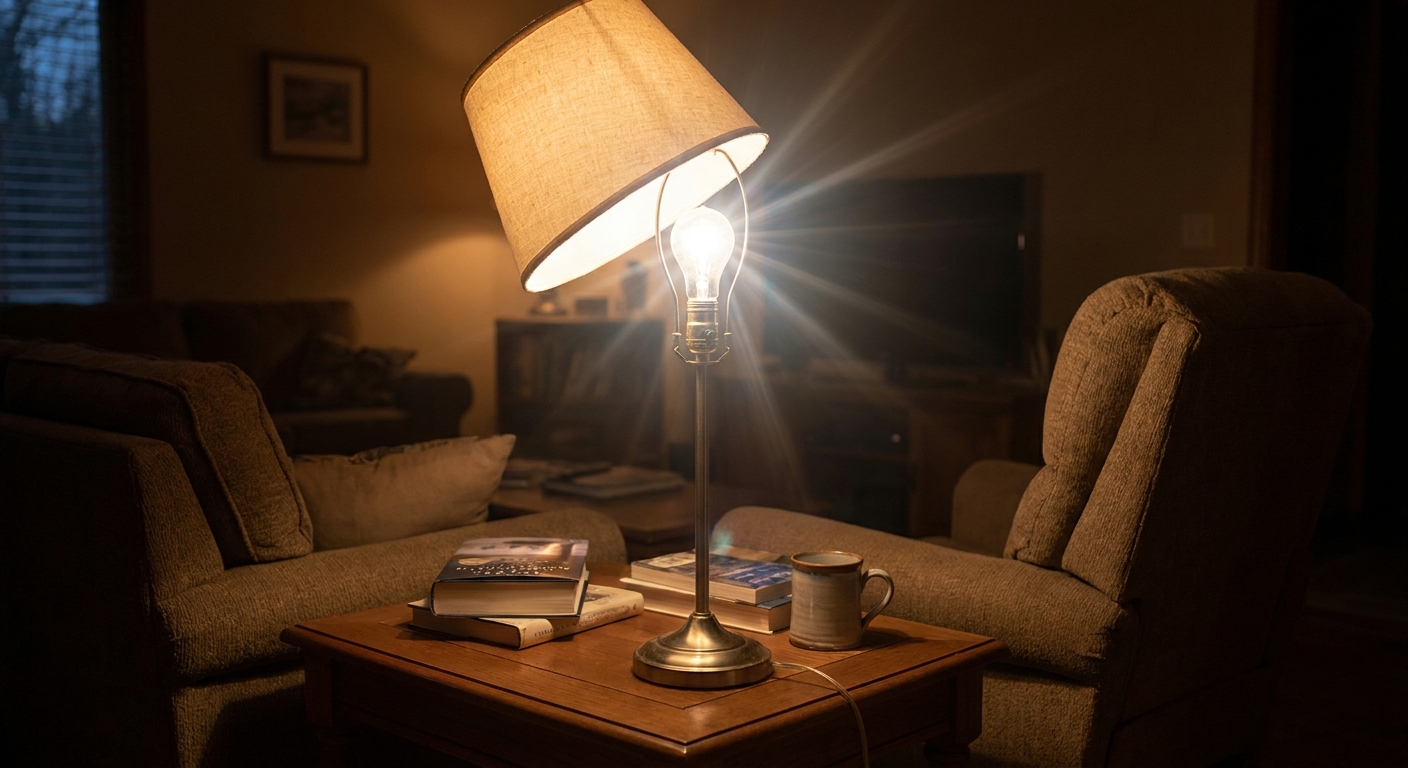
From your usual seating spot, you ideally should not see the bare bulb. A shade that sits too high can expose the socket and create uncomfortable brightness. Adjusting the harp can often solve this, but shade height and harp height work together.
How to measure a lampshade
Grab a tape measure and use these quick steps. No complicated math needed.
Know the dimensions listings use
- Top diameter: width across the top opening.
- Bottom diameter: width across the bottom opening (this is the main one you shop by).
- Shade height: the vertical height of the shade body (not including finial). For tapered shades, many sellers list the straight vertical height, not the slanted side.
Measure the width
- Find the widest point of the lamp base.
- Choose a shade with a bottom diameter roughly equal to that width, up to about 2 inches wider.
Measure the height
- Measure from the table or floor to where you want the top edge of the shade to land.
- Aim for a shade height around one-third of that overall height as a starting point, then adjust for glare control.
Do not forget table clearance
On a small side table, a wide shade can crowd the surface. If you need more breathing room, keep the shade closer to the base width rather than going wider.
Shade shape and light
Shade shape is not just style. It changes the light pattern on walls, ceilings, and surfaces.
Drum shades
- Look: clean, versatile.
- Light: often an even glow through the sides, plus some up and down light if the top and bottom are open.
- Great for: living rooms, bedrooms, anywhere you want a calm ambient wash.
Empire shades (classic taper)
- Look: traditional, tailored.
- Light: often feels a bit more directed downward than a drum, but the effect depends on the size of the top and bottom openings and how opaque the shade is.
- Great for: reading corners, bedside lamps, and traditional bases.
Bell shades
- Look: soft and elegant, often more decorative.
- Light: can create a gentle pool of light with a cozy perimeter glow.
- Great for: ambient lighting and vintage-inspired spaces.
Oval and rectangular shades
- Look: purposeful and space-smart.
- Light: helps aim light along a console, dresser, or narrow surface.
- Great for: tight spots where a round shade would bump into walls or feel oversized.
Square shades
- Look: structured and modern.
- Light: can feel a bit more directional, especially with heavier fabrics.
- Great for: contemporary rooms and geometric lamp bases.
Shade materials
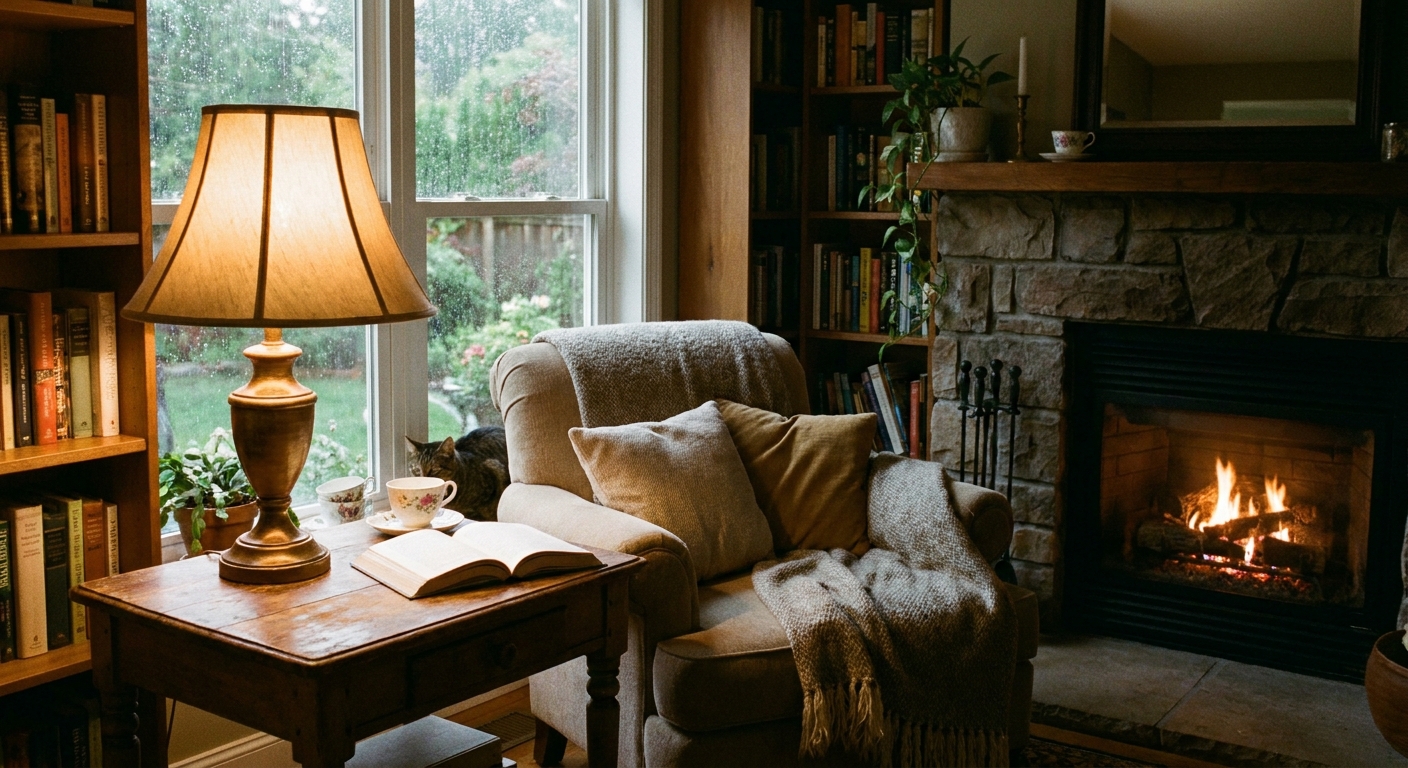
Material determines how see-through the shade is. That see-through factor is what controls diffusion, shadows, and glare.
Fabric shades (linen, cotton, silk blends)
- Diffusion: soft, flattering, and cozy.
- Hotspots: lighter fabrics can show a brighter area where the bulb sits, especially with clear bulbs.
- Tip: pair with a frosted bulb to reduce bright points.
Parchment and paper shades
- Diffusion: smooth and even, often very warm-looking.
- Style: works beautifully in traditional, transitional, and minimalist spaces.
- Watch for: discoloration over time if exposed to heat or smoke.
Glass shades
- Clear glass: brightest and most direct, but can be glary because the bulb is visible.
- Frosted or opal glass: gentler, more diffused, and hides the bulb better.
If you love glass shades, the choice between clear and frosted matters a lot. This guide on clear vs frosted glass globe lighting explains the glow differences in an easy way.
Metal shades
- Diffusion: none through the sides. Light goes mostly out the top and bottom.
- Mood: dramatic and directional.
- Best for: task lighting when the bulb is well-shielded inside the shade (or the interior is painted white to bounce light without exposing glare).
Woven shades (rattan, cane, seagrass)
- Diffusion: dappled and textured, with a warm, casual mood.
- Light pattern: can cast lively shadows on walls and ceilings.
For that breezy glow, see woven and rattan lighting ideas. The same design logic applies to woven lampshades.
Color and lining
Two shades can be the same size and shape, yet feel totally different when lit. Color and lining are why.
Shade color (outside)
- White or ivory: brightest and airiest, spreads light widely.
- Beige and warm neutrals: cozy, slightly dimmer, often makes light feel warmer.
- Dark colors: moodier, reduces overall brightness, emphasizes pools of light.
Lining color (inside)
- White lining: maximizes brightness and feels crisp.
- Gold or warm lining: enhances warm glow and can feel extra inviting at night.
- Silver lining: can feel cooler and more directional.
Fitter types
Lampshades attach in a few common ways. Knowing what you have prevents the “perfect shade, wrong hardware” problem.
- Spider fitter: the most common for table and floor lamps. It sits on a harp and is held by a finial.
- Uno fitter: the shade attaches directly to the socket, often used on smaller table lamps.
- Clip-on: clips directly onto the bulb, usually for smaller lamps or candle-style bulbs.
Spider fitter note: some spider shades are built with a recessed ring (often called a drop) so the shade sits a little lower on the harp. Drops are commonly around 1/2 inch, 1 inch, or 2 inches, and they are handy when you are trying to hide a bulb or reduce glare without changing shade height.
Harp fit tip: harps come in different heights. If your shade feels too high or too low, swapping the harp height is often the simplest way to fine-tune where the shade sits.
Safety and heat
A quick safety check makes shade shopping easier, especially with fabric and paper.
- Follow the lamp’s max wattage label (usually on or near the socket). Do not exceed it, even if the shade “seems fine.”
- LED bulbs are your friend: they run much cooler than incandescent or halogen bulbs, which makes them a better match for tighter shades and heat-sensitive materials.
- Keep clearance: the bulb should not press against the shade, and very small shades need extra care so heat does not build up.
- When in doubt: choose a lower-watt LED (higher lumens, lower heat) and a slightly taller shade so the light feels comfortable without exposing the bulb.
Common problems
The lamp is too glary
- Choose a taller shade so the bulb is not visible from seating height.
- Use a frosted bulb instead of a clear bulb.
- Try a shade with a thicker fabric or a diffuser lining.
- If you have a spider fitter, consider a shade with a drop or a taller harp so the shade sits lower.
The lamp feels too dim
- Swap to a lighter shade color or a white lining.
- Use a brighter bulb (more lumens), then soften with diffusion or dimming.
- Make sure the shade is not oversized and choking off useful downlight.
The lamp looks off
- Check width first. Many lamps look awkward simply because the shade is too narrow for the base.
- Check height next. If the shade is too short, the lamp can look like it is wearing a tiny hat.
- Consider shape. A curvy base often pairs nicely with a slightly tapered shade, while clean bases pair easily with drums.
Table vs floor lamps
Table lamps
- Living room side tables: drums and empires both work well. Choose based on whether you want even ambient glow (drum) or a bit more downlight (empire).
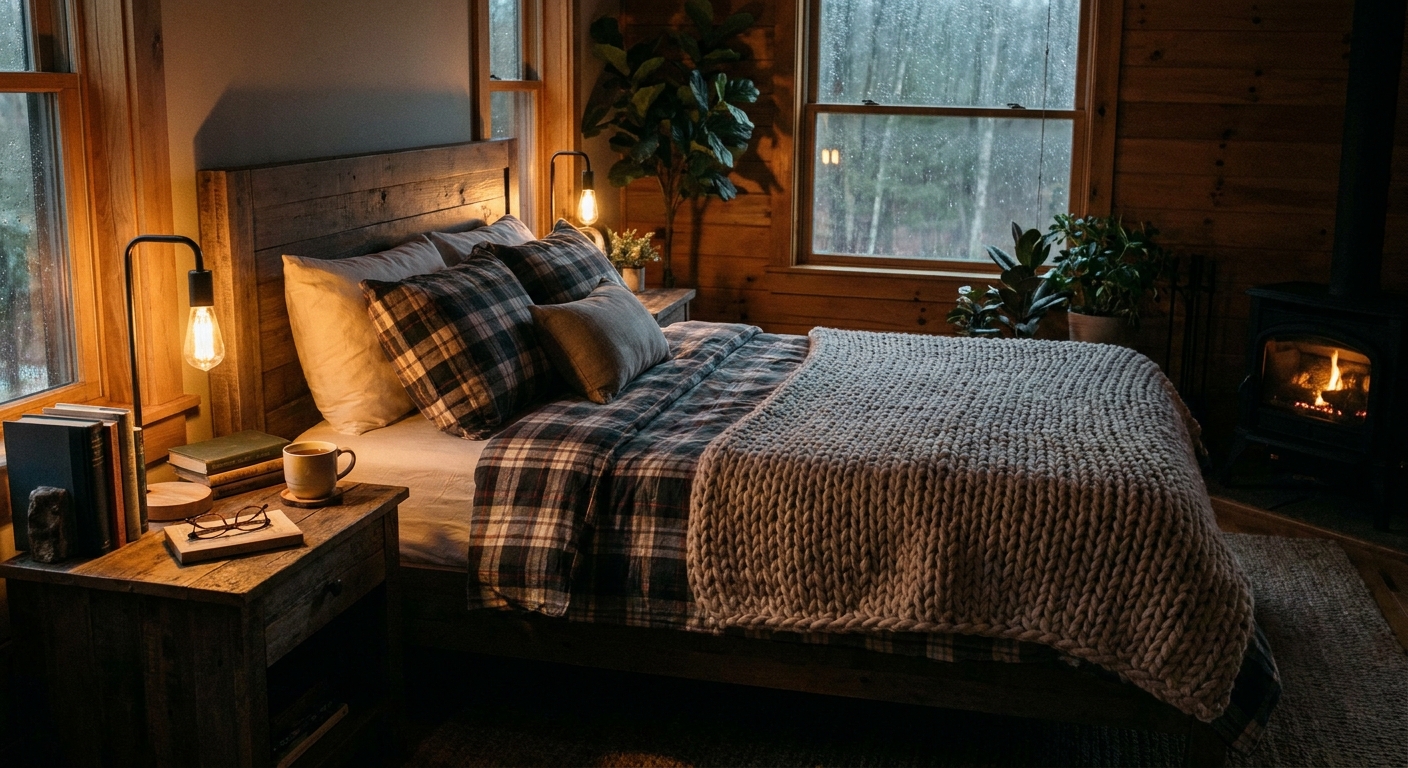
- Bedside: glare control matters because you are close to the lamp. Look for a shade that is tall enough to hide the bulb when you are seated in bed. For more bedside planning, see lamps vs sconces vs pendants.
Floor lamps
- Reading corner: a more directional shade can help keep light where you need it, but make sure the bulb is shielded from your line of sight.
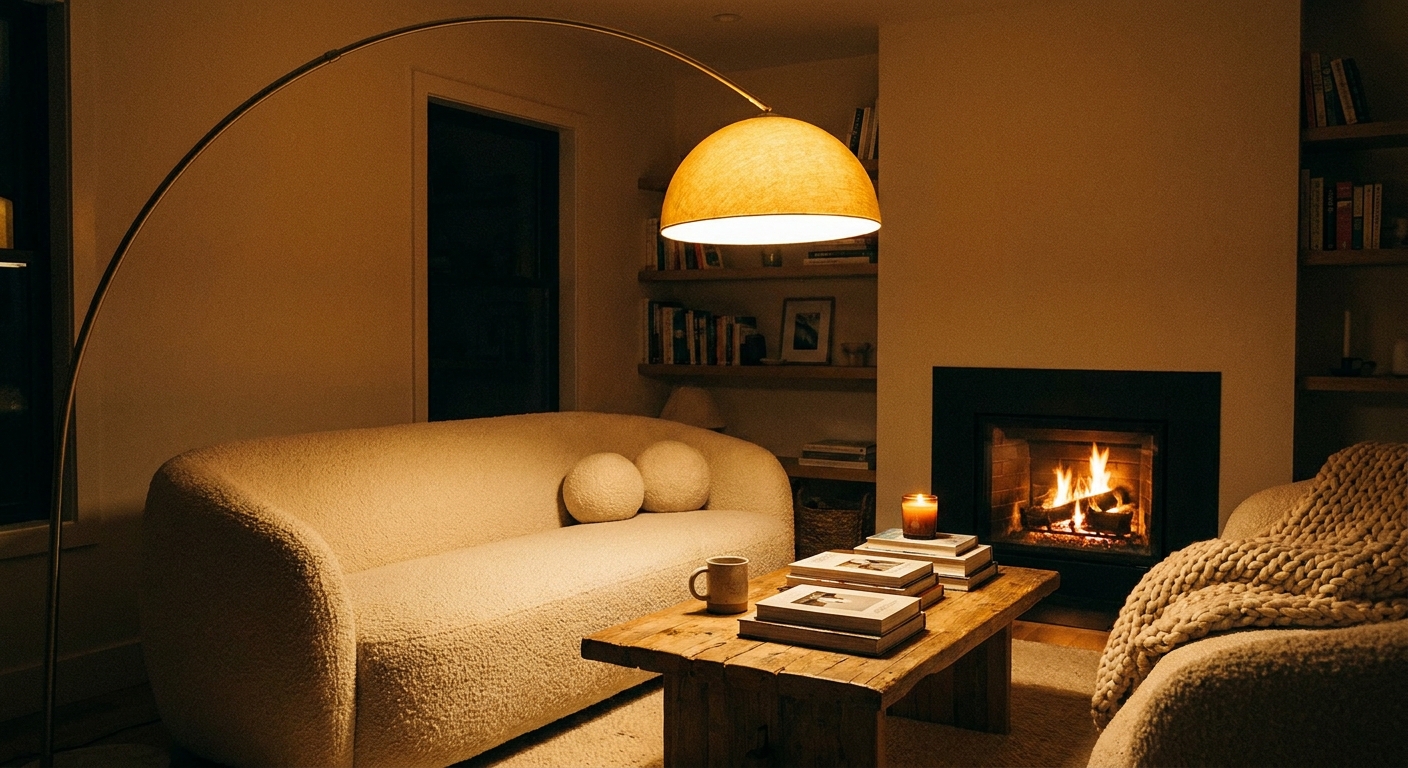
- Ambient fill: a larger drum shade can create a soft lantern effect, especially with fabric diffusion.
Special cases: torchieres and some task-style floor lamps use reflectors, diffusers, or an upward throw to light the ceiling. They do not behave like a typical shaded table lamp, so shade rules apply differently.
If you are still choosing the lamp itself, this overview of floor lamp styles can help you match the shade to the right kind of fixture.
FAQ
Should the shade be wider than the base?
A little wider is often flattering. A good target is the shade’s bottom diameter about equal to the base width, up to around 2 inches wider. Much wider can look bulky, especially on small tables.
Do darker shades make light warmer?
Darker shades usually make light feel dimmer and moodier, and warm-toned fabrics can make the glow seem warmer. For the most predictable warmth, start with a warm bulb color temperature, then choose a shade that supports the mood. This guide on lumens vs watts can also help you pick brightness that matches your shade choice.
What shade material hides the bulb best?
Thicker fabric, parchment-style shades, and frosted or opal glass do the best job hiding the bulb. Clear glass shows the bulb clearly and tends to feel brightest and most direct.
Can I put any shade on any lamp?
Often yes, as long as the fitter type matches (spider, uno, clip-on) and the shade size does not crowd the space. For comfort and safety, also check the lamp’s max wattage label, keep clearance between the bulb and shade, and consider using LEDs to reduce heat compared with incandescent or halogen bulbs.
Final check
When you think you have the right shade, do one last glow check: Will the bulb be hidden from your usual seating spot? Will enough light fall where you need it? And does the shade feel balanced on the base from across the room? If those answers are yes, you have found a shade that will make your lamp feel like it belongs there, quietly brightening your evenings with a softer, happier light.